
15 Days in Japan: The Perfect Tokyo, Mount Fuji, Kyoto and Osaka Itinerary

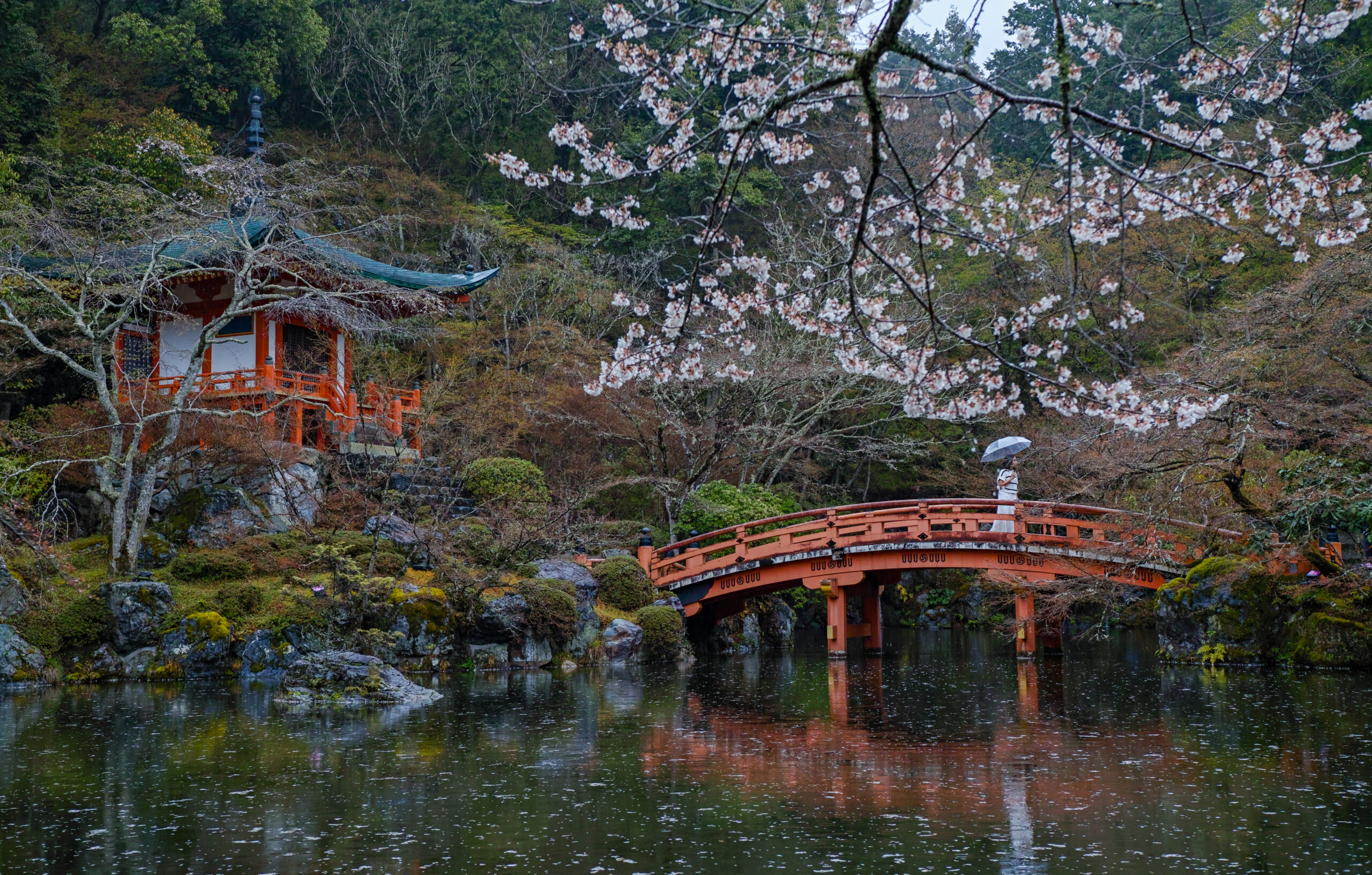
Japan had been on our bucket list for years, and visiting during cherry blossom season made the trip even more special.
Over 15 days, from March 26 to April 9, 2026, we explored Tokyo, Kawaguchiko, Kyoto, Osaka and Nara, with a mix of iconic sights, food stops, cultural experiences and a few of our favorite stays. We did a traditional tea ceremony in Tokyo, rented kimonos in Asakusa, stayed in a Mount Fuji-view glamping dome, tried some incredible vegetarian food and used Japan’s luggage-forwarding service to make moving between cities much easier.
This itinerary follows the exact route we took and includes our day-by-day plans, transportation tips, places we stayed, restaurants we loved and the experiences we would recommend.
Our 15-Day Japan Route
Days 1–3: Tokyo
Days 4–5: Mount Fuji & Kawaguchiko, then Kyoto on the evening of Day 5
Day 6: Kyoto, Arashiyama & Silver Pavilion
Day 7: Kyoto morning (Kiyomizu-dera, Gion) & first evening in Osaka
Days 8–10: Nara day trip, South Osaka & Osaka Castle
Day 11: Back to Tokyo & Sumo in Ginza
Days 12–14: Tokyo, Ueno & teamLab, Shinjuku Gyoen & street kart, Yoyogi & Shibuya Sky sunset
Day 15: Heading home
Note: Day 5, Day 7 and Day 11 are travel days, so they appear in two cities in this table. The grouping above follows the city you sleep in that night, which matches the day-by-day chapters below.
Important Reservations to Make Before Your Trip
A few popular Japan experiences can sell out, so we recommend booking these before your trip:
- Shibuya Sky
- teamLab Planets or teamLab Borderless
- Tokyo–Kawaguchiko highway bus
- Shinkansen seats for busy travel dates
- Kimono rental
- Tea ceremony
- Mount Fuji accommodation
- Popular restaurants that require reservations
We also recommend downloading Japanese in Google Translate for offline use and setting up a digital Suica card on your phone before or soon after arriving.
💡 Our Tip: We booked the experiences that mattered most to us in advance, especially Shibuya Sky, teamLab, our Mount Fuji stay and the Kawaguchiko bus. For everything else, we kept some flexibility in our schedule.
Day 1 – Arrive in Tokyo & Explore Shinjuku
Our first night in Tokyo was all neon, noise, and our first konbini run, the perfect, low-pressure way to land.
At a glance: Stops: Shinjuku Station; Ichiran Ramen or Omoide Yokocho; Kabukicho; first konbini visit | Stay: Shinjuku accommodation | Transport: Narita Express to Shinjuku | Food: Ichiran Ramen (non-veg, pork broth) or Omoide Yokocho izakayas (meat and seafood skewers)
We landed at Narita International Airport around noon and took the Narita Express directly to Shinjuku. After immigration, collecting our luggage and traveling into the city, we reached our accommodation around 3–4 PM.
After checking in and freshening up, we headed out to explore Shinjuku for our first evening in Japan.
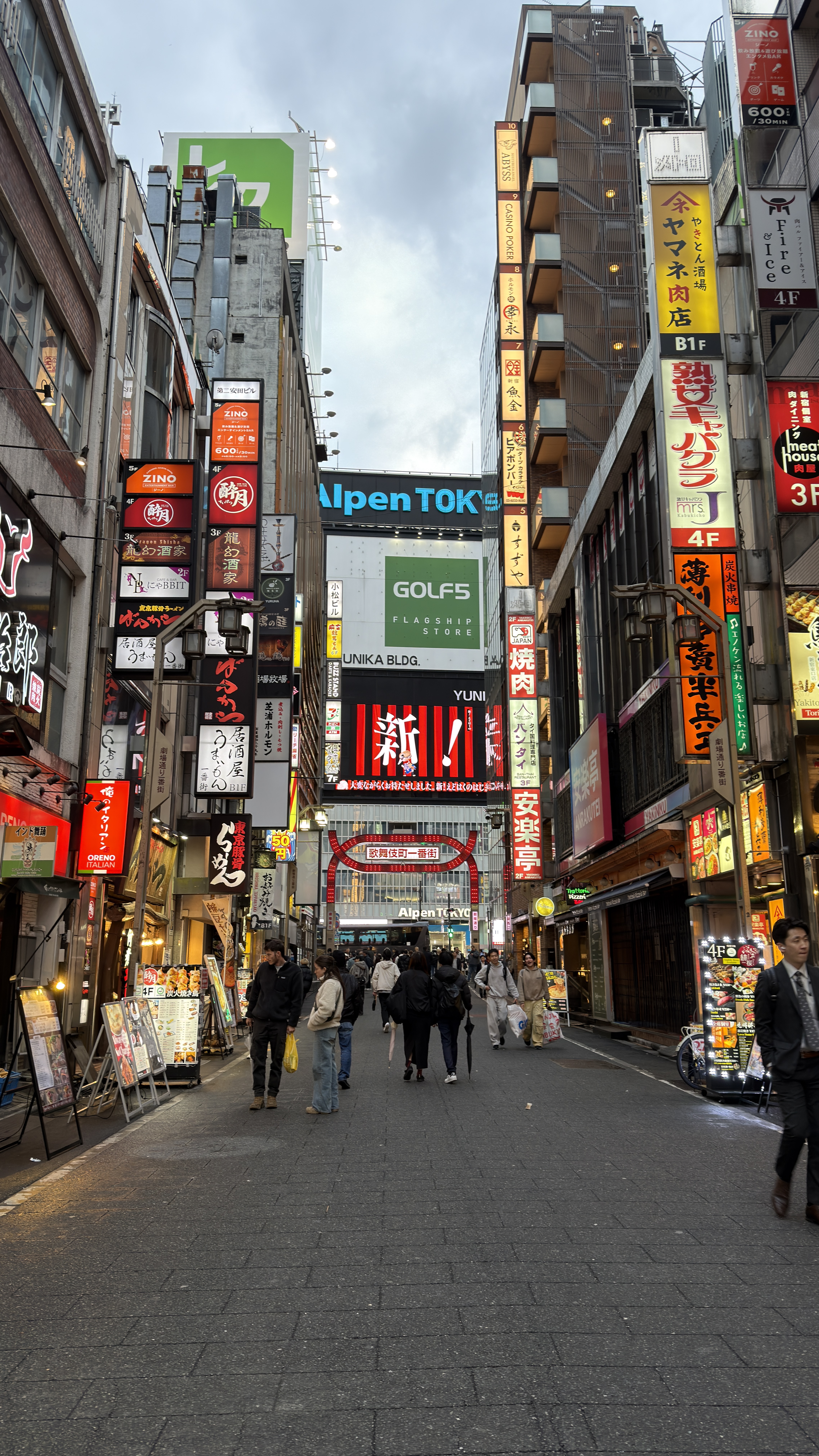
Shinjuku was the perfect introduction to Tokyo, bright lights, huge train stations, narrow food alleys, shopping, arcades and some of the city’s most iconic nighttime spots.
Explore Shinjuku Station
Shinjuku Station is massive and can be confusing on your first visit. It is surrounded by restaurants, department stores, underground shopping areas and dozens of exits.
Pay close attention to the exit number shown in Google Maps. Taking the wrong exit can easily add another 10–15 minutes of walking.
💡 Travel Tip: Give yourself extra time whenever you are navigating major stations such as Shinjuku, Shibuya and Tokyo Station.
Dinner at Ichiran Ramen or Omoide Yokocho
For dinner, you have two very different Shinjuku experiences to choose from.
Ichiran Ramen: Ichiran is one of Japan’s most famous ramen chains and is known for its individual dining booths and customizable ramen.
You order from a ticket machine and can adjust things such as spice level, garlic, broth richness and noodle firmness. It is a fun and easy first ramen experience in Japan.
Omoide Yokocho: Omoide Yokocho is one of Shinjuku’s most atmospheric nighttime areas.
The narrow alleyways are packed with tiny izakayas, glowing lanterns and small restaurants. It is a great place to grab dinner, walk around and take nighttime photos.
Kabukicho
After dinner, we walked toward Kabukicho, one of Tokyo’s busiest entertainment districts.
At night, the streets are filled with neon signs, restaurants, arcades and entertainment venues. We stopped by the famous red Kabukicho entrance gate for photos and walked around soaking in our first night in Tokyo.
Our First Japanese Konbini
Before heading back to our accommodation, there was one more thing we had to do. Visit a Japanese convenience store!
Exploring a konbini was honestly one of the first things we were excited to do when we arrived in Japan. We stopped at one near our accommodation and walked through the aisles checking out all the Japanese snacks, drinks, desserts and ready-to-eat meals.
7-Eleven, Lawson and FamilyMart are everywhere in Japan, and we ended up stopping at them constantly throughout our trip.
💡 Travel Tip: Keep your first evening flexible. Immigration, baggage collection and transportation from Narita can take longer than expected, so we would avoid booking any timed attractions on arrival day.
Day 2 – Tea Ceremony, Shibuya Crossing & Tokyo Ramen Street
A calm tea ceremony in the morning, then Shibuya at full speed, this contrast is why we loved Tokyo.
At a glance: Stops: Tea ceremony at Park Hotel Tokyo; Shibuya Crossing; A Happy Pancake; Shibuya shopping; Tokyo Ramen Street | Stay: Park Hotel Tokyo | Transport: Taxi and train between Shibuya and Tokyo Station | Food: A Happy Pancake (vegetarian-friendly, egg and dairy); Tokyo Ramen Street (non-veg ramen, shoyu, miso and tsukemen with pork or chicken)
We started our second day by checking out of our accommodation in Shinjuku and heading to Park Hotel Tokyo, where we were staying for the night.
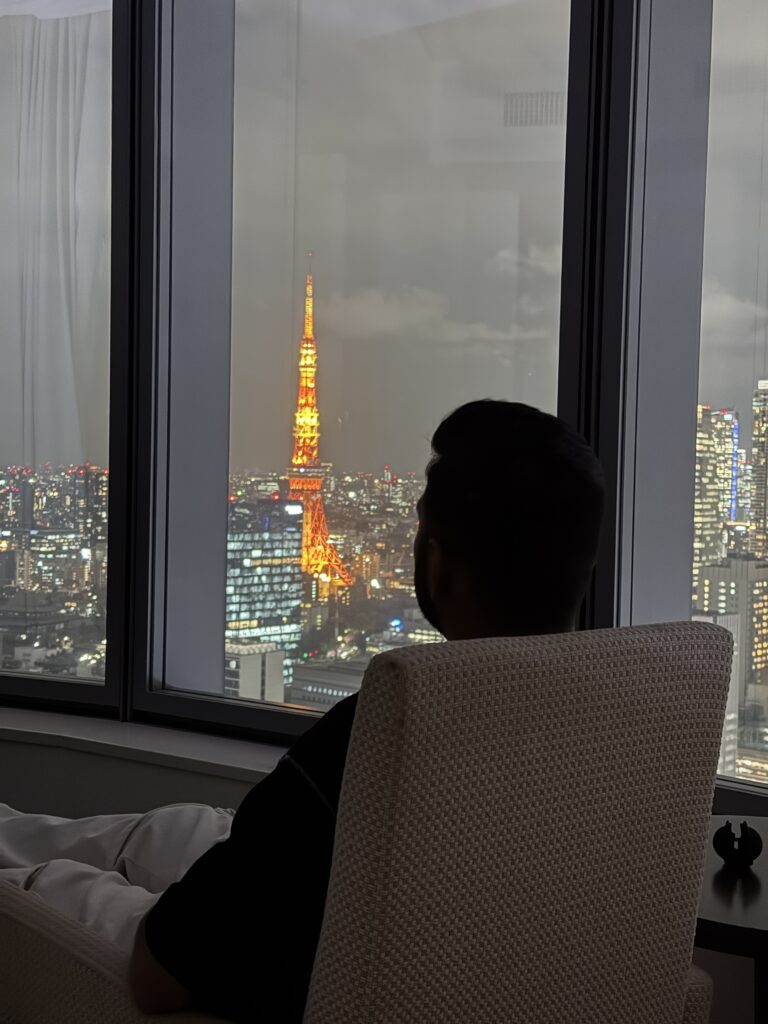
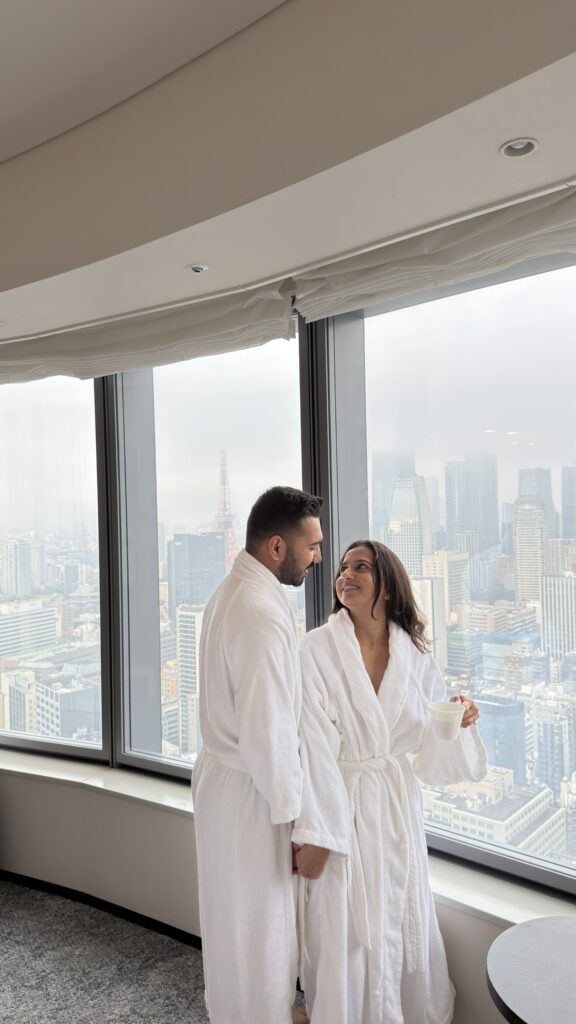
Park Hotel Tokyo is known for its art-inspired rooms and beautiful views over the Tokyo skyline, and it ended up being one of the most unique hotels we stayed at during our trip.
Tea Ceremony at Park Hotel Tokyo
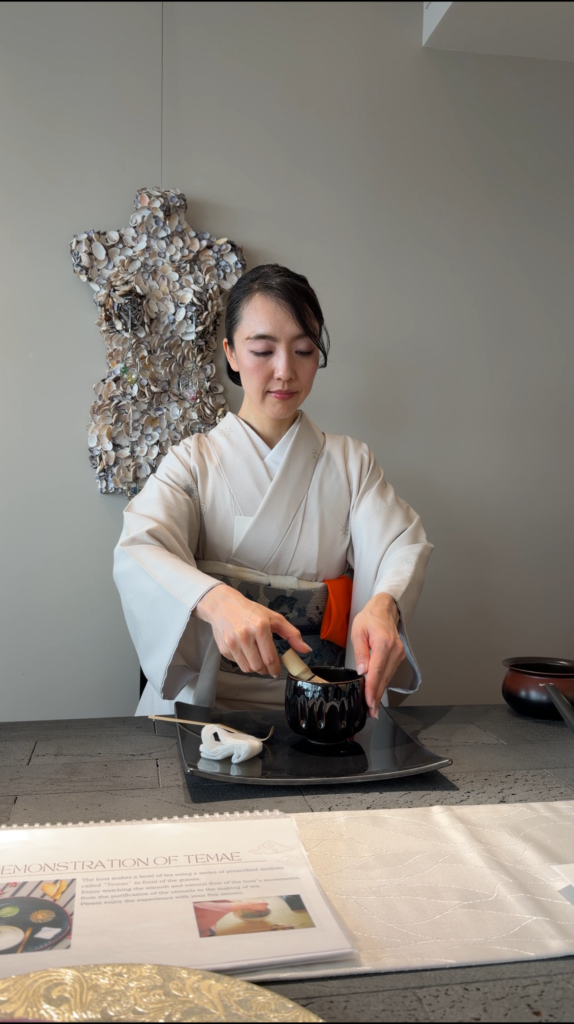
At 11 AM, we participated in a traditional Japanese tea ceremony at the hotel.
The experience lasted around 45 minutes and introduced us to the preparation and presentation of matcha. Every movement is intentional, from preparing the utensils to serving and rotating the tea bowl.
It was such a calm experience and a completely different side of Tokyo compared to the busy streets outside.
💡 Cultural Tip: Simply follow your host’s instructions during the ceremony. You do not need to know the etiquette beforehand.
Explore Shibuya Crossing
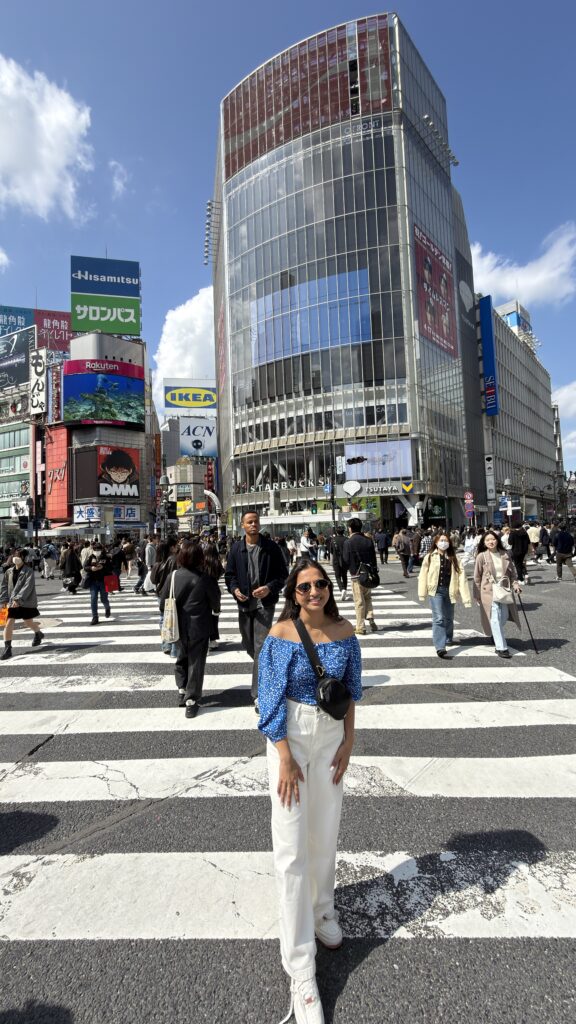
After the tea ceremony, we headed to Shibuya to see one of Tokyo’s most iconic sights: Shibuya Crossing.
We crossed it at street level and also headed up to get a view from above. Watching hundreds of people cross from every direction is definitely one of those classic Tokyo experiences worth seeing at least once.
Popular viewpoints around the crossing include:
- Shibuya Sky
- Shibuya Hikarie
- Starbucks Shibuya Tsutaya
- Magnet by Shibuya109
- L’Occitane Café
If you plan to visit Shibuya Sky, book your tickets in advance. Sunset times especially can sell out quickly.
Japanese Soufflé Pancakes at A Happy Pancake
While exploring Shibuya, we stopped at A Happy Pancake to try Japan’s famous soufflé pancakes.
They are much lighter and fluffier than regular pancakes and are cooked slowly to get that tall, cloud-like texture. They are made to order, so expect a little bit of a wait.
Shopping in Shibuya
We spent the rest of the afternoon exploring some of Shibuya’s best shopping spots.
Shibuya LOFT – One of our favorites for stationery, home goods, beauty products and unique Japanese finds.
MEGA Don Quijote – Also called Donki, this massive store has everything from Japanese snacks and cosmetics to souvenirs, electronics and random things you never knew you needed.
Shibuya Hikarie – A shopping and dining complex connected to Shibuya Station with Japanese brands, beauty products, food and restaurants.
Tokyu Food Show – A huge food hall filled with desserts, bentos, baked goods, prepared foods and beautifully packaged Japanese treats.
While shopping, we also stopped at 5 CROSSTIES COFFEE for a coffee break before continuing to explore Shibuya.
💡 Shopping Tip: Carry your original passport with you if you plan to shop tax-free. Many stores require the physical passport to process the purchase.
Dinner at Tokyo Ramen Street
For dinner, we headed to Tokyo Station and visited Tokyo Ramen Street, located on the basement level near the Yaesu side of the station.
The area brings several well-known ramen shops together in one place, each specializing in different styles of ramen from shoyu and miso to tsukemen and richer broths.
Tokyo Station is huge, but there are signs throughout the station directing you toward Tokyo Ramen Street. Popular restaurants can have long lines around dinner time, so expect a possible wait.
💡 Travel Tip: Tokyo Ramen Street is inside Tokyo Station, so it requires a short trip from Shibuya, but it worked well for us since Park Hotel Tokyo is only about a 10-minute taxi ride away. If your itinerary already includes Tokyo Station, Ginza or Marunouchi on another day, you can also easily move this dinner there instead.
Stay at Park Hotel Tokyo
After dinner, we headed back to Park Hotel Tokyo for the night.
The hotel’s art-inspired design and skyline views made it feel completely different from a typical Tokyo hotel, and we loved ending the day with the city views from our room.
Day 3 – Asakusa, Senso-ji, Kimono Rental & Kappabashi
Our busiest Tokyo day, and our favourite, kimonos, Senso-ji, and a knife we still use at home.
At a glance: Stops: Senso-ji and Kaminarimon Gate; Kimono Miyabi; Mamekoro Coffee and Maruzen Tea Roastery; Kappabashi Kitchen Street; Sumida Park; Senso-ji at night | Stay: Park Hotel Tokyo | Transport: Walk and train to Asakusa; about 15 minutes’ walk to Kappabashi | Food: Vegetarian-friendly: custard taiyaki, matcha desserts, daifuku. Non-veg: Asakusa Menchi (fried meat patty) and Tsuminaki Mapo Tofu for dinner
Our third day in Tokyo was one of our busiest, but also one of our favorites. We spent the day exploring historic Asakusa, rented kimonos, visited Senso-ji, tried some of our favorite food in Tokyo, shopped for personalized souvenirs on Kappabashi Street and ended the evening with dinner and a nighttime visit back to the temple.
Start Early at Senso-ji
We started the morning around the Senso-ji area before the biggest crowds arrived.
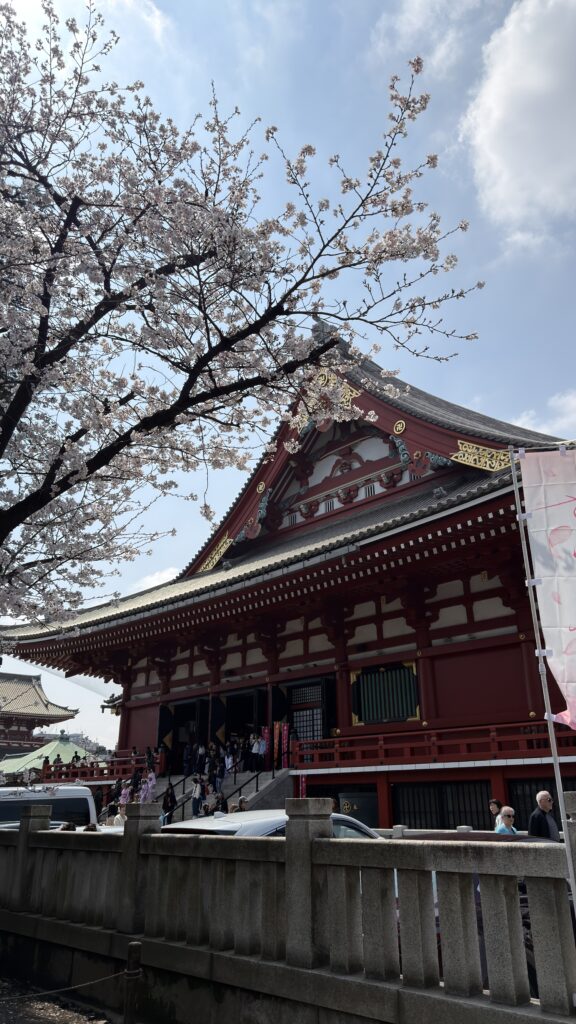
We entered through Kaminarimon Gate, walked along Nakamise-dori and explored Senso-ji Temple and the surrounding streets. While there, we also tried omikuji, the traditional Japanese fortune-drawing experience.
💡 Travel Tip: Asakusa gets very crowded later in the morning, so this is one place where starting early really makes a difference.
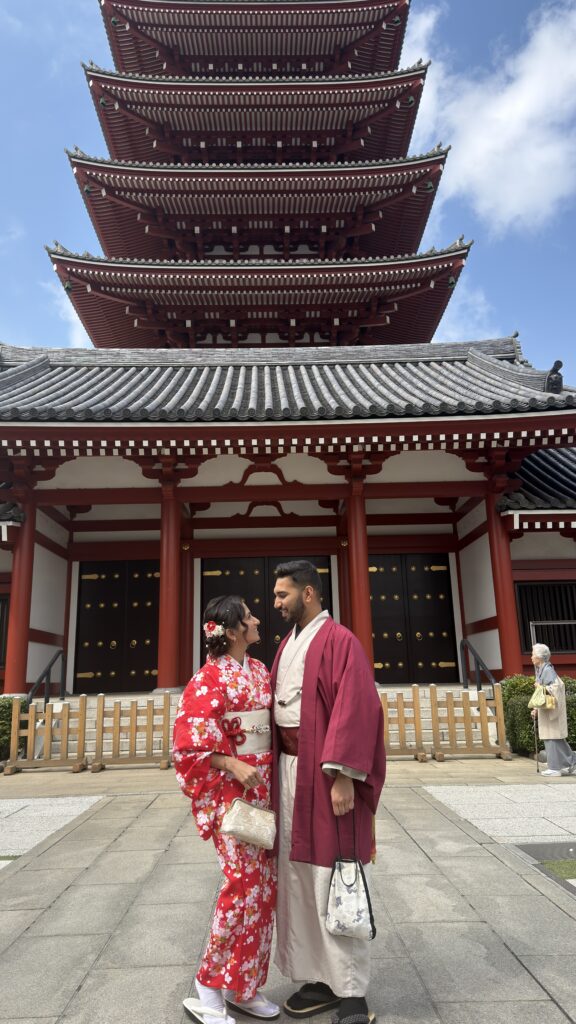
Kimono Rental at Kimono Miyabi
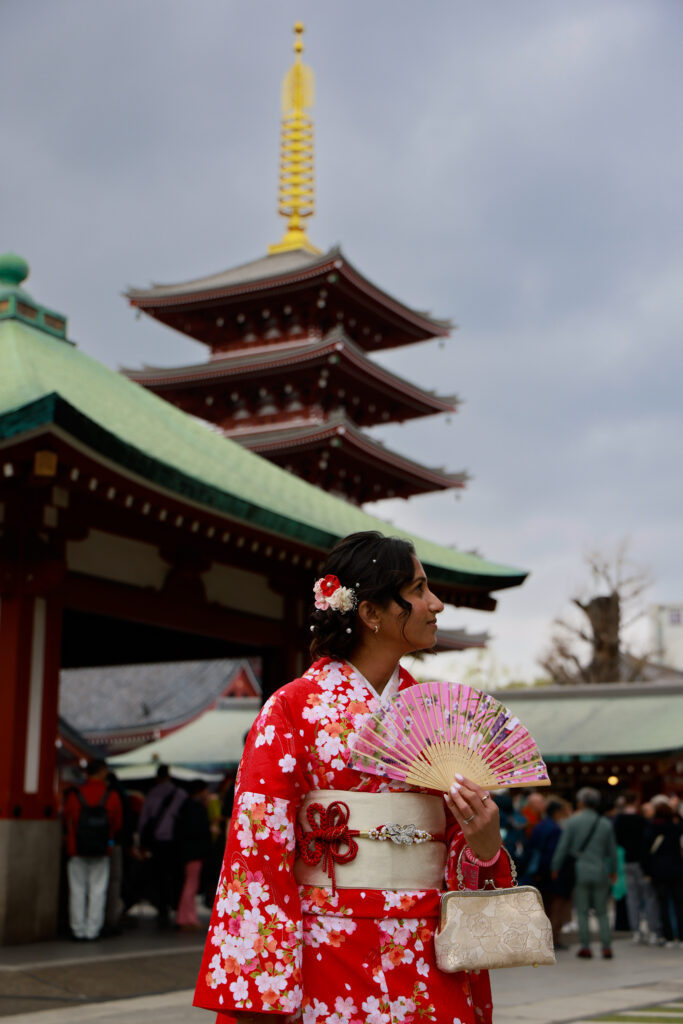
We rented our kimonos from Kimono Miyabi, located less than a five-minute walk from Senso-ji.
After choosing our kimonos and getting dressed, we walked around the temple and nearby streets in them. It made the experience feel much more special and gave us some of our favorite photos from Tokyo.
Book an earlier appointment if possible so you have enough time for dressing, hairstyling, photos and sightseeing before returning the kimono.
Coffee & Matcha Around 10 AM
Once the cafés started opening around 10 AM, we stopped at Mamekoro Coffee and later at Maruzen Tea Roastery.
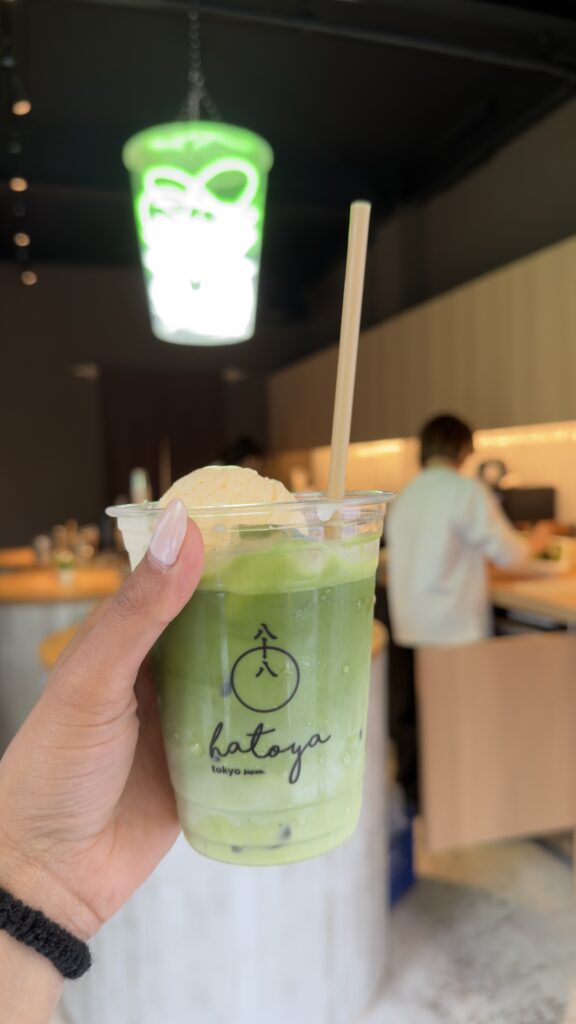
Maruzen was one of our favorite matcha stops. We tried the Uji matcha with gelato, which was rich and really good without feeling overly sweet.
What to Eat in Asakusa
Asakusa had some of the best food stops from our Tokyo trip, especially if you like trying snacks as you explore.
A few traditional foods worth looking for are:
- Daifuku – mochi filled with sweet red bean paste, sometimes with fruit
- Kibidango – chewy rice dumplings coated in kinako
- Ningyo-yaki – small sponge cakes filled with sweet red bean paste
We also stopped at Kagetsudo for its famous melon pan.
Some of our other favorite food stops were:
- Asakusa Menchi
- Tokyo Curry Pan
- Naruto Taiyaki
- Ginkado Anshin’ya
- Chacha Futatsume
- Imo Pippi – Best for the sweet potato Mont Blanc
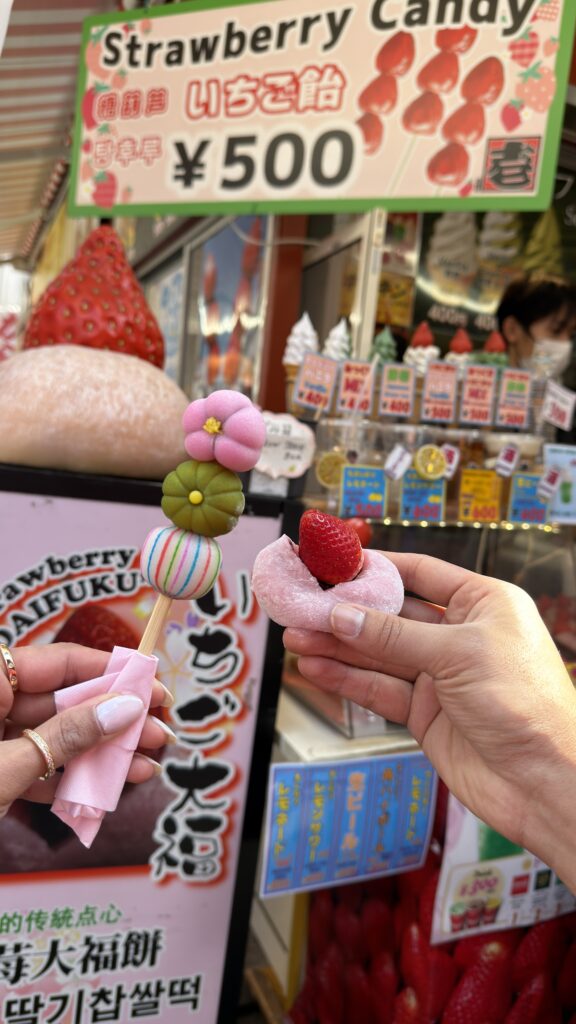
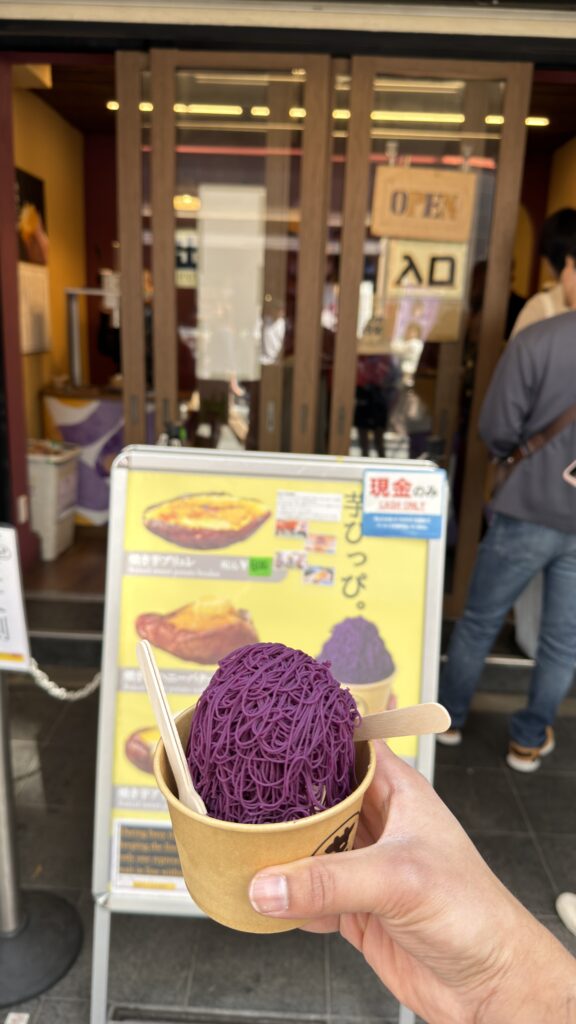
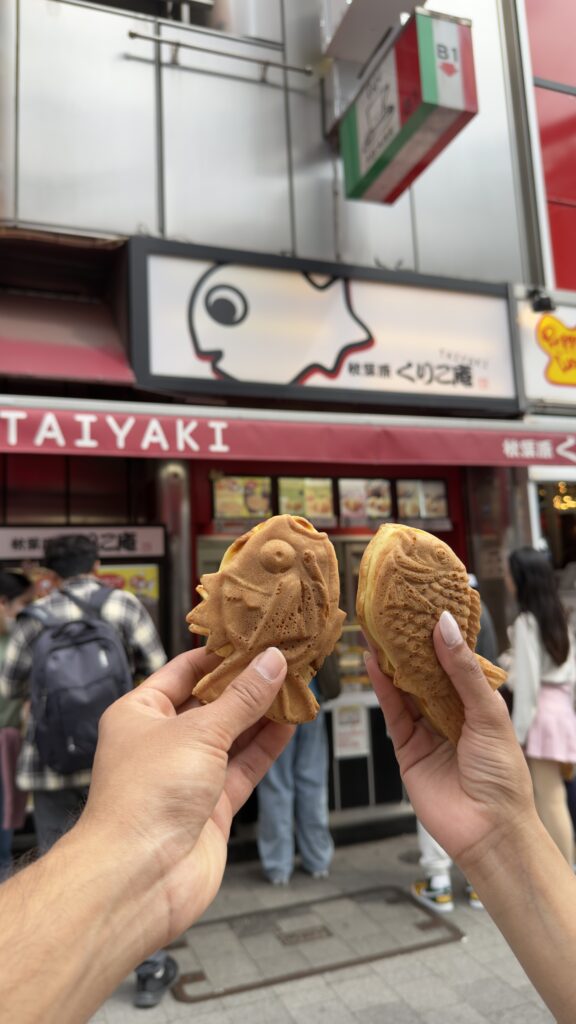
We especially liked the custard taiyaki at Naruto Taiyaki and the matcha desserts at Chacha Futatsume.
Asakusa is one of those neighborhoods where you can easily spend hours just trying different food spots, so we saved everything we tried plus more recommendations in our Japan map.
Which city would you spend an extra day in, Kyoto or Osaka? Tell us in the comments below, and save this itinerary for your own trip.
Next steps: use the Japan map button below for every food stop and viewpoint in this post, read our Japan Travel Guide: Everything to Know Before You Go for visas, Suica cards and luggage forwarding, and follow @tripswithdipp on Instagram for the reels from this trip.
We saved every food stop and viewpoint from this trip in our Ultimate Japan Map, so you can follow the same route without planning it from scratch.
💡 Food Tip: Many street-food shops prefer that you eat near the store rather than while walking, so follow the signs or staff instructions.
Asakusa Culture Tourist Information Center
For a quick free viewpoint, head to the observation terrace at the Asakusa Culture Tourist Information Center.
You get a great elevated view over Nakamise-dori toward Senso-ji, and it only takes a few minutes to add to the day.
Shopping Around Asakusa
We also stopped at Sanrio Gift Gate Asakusa for souvenirs and character merchandise.
Kappabashi Kitchen Street
From Asakusa, we walked about 15 minutes to Kappabashi Kitchen Street, Tokyo’s famous kitchenware district.
This was one of our favorite shopping areas because it felt completely different from Shibuya and Shinjuku. You will find Japanese knives, ceramics, chopsticks, cookware and realistic food displays throughout the street.
Some shops worth checking out include:
- Dengama
- Fujita Sales
- FU WA RI
- Mikura
- Kama-Asa
- Tokyo Biken
- Sato Sample
Personalized Knife & Chopsticks
One of our favorite souvenirs from the entire trip was a Japanese knife from ZAKU Knives, which we had engraved with “TripsWithDipp.”
Sumida Park & Tokyo Skytree
After shopping, we walked toward Sumida Park for a break along the river.
During cherry blossom season, the area is especially beautiful and gives you great views of Tokyo Skytree.
You can continue to Skytree and visit the observation deck if you still have energy, but on an already packed day, we would consider it optional.
Optional: Senso-ji at Night
If you still have time and energy before leaving Asakusa, return to Senso-ji after dark.
The temple and five-story pagoda are beautifully illuminated at night, and the atmosphere feels much quieter once the daytime crowds start to disappear.
Since you are already spending the day in Asakusa, this is the best time to see it at night before heading back toward the hotel area for dinner.
💡 Our Tip: Seeing Senso-ji both during the day and at night is worth it if your schedule allows. The daytime visit is better for exploring, while the evening is more peaceful and atmospheric.
Dinner at Tsuminaki Mapo Tofu
After finishing our day in Asakusa, we headed back toward the Park Hotel Tokyo area for dinner at Tsuminaki Mapo Tofu.
I had the mapo tofu, which was rich, spicy and full of flavor. Another popular option is the dandan-style mapo tofu.
It ended up being one of our favorite meals in Tokyo, and from there we were already close to Park Hotel Tokyo for the night.
Day 4 – Tokyo to Kawaguchiko and Mount Fuji
The day Mount Fuji actually showed up, and why renting a car for a few hours was our best decision in Kawaguchiko.
At a glance: Stops: Chureito Pagoda; Tenku no Torii; Oishi Park and Lake Kawaguchiko; Saiko Iyashi-no-Sato Nenba | Stay: Mt. Fuji Glamping Terrace MINENOHANA | Transport: 6am highway bus Tokyo–Kawaguchiko; rental car; hotel shuttle from Kawaguchiko Station | Food: MINENOHANA barbecue, vegetarian options on request, non-veg barbecue as standard; pick up snacks at Kawaguchiko Station if you prefer something else
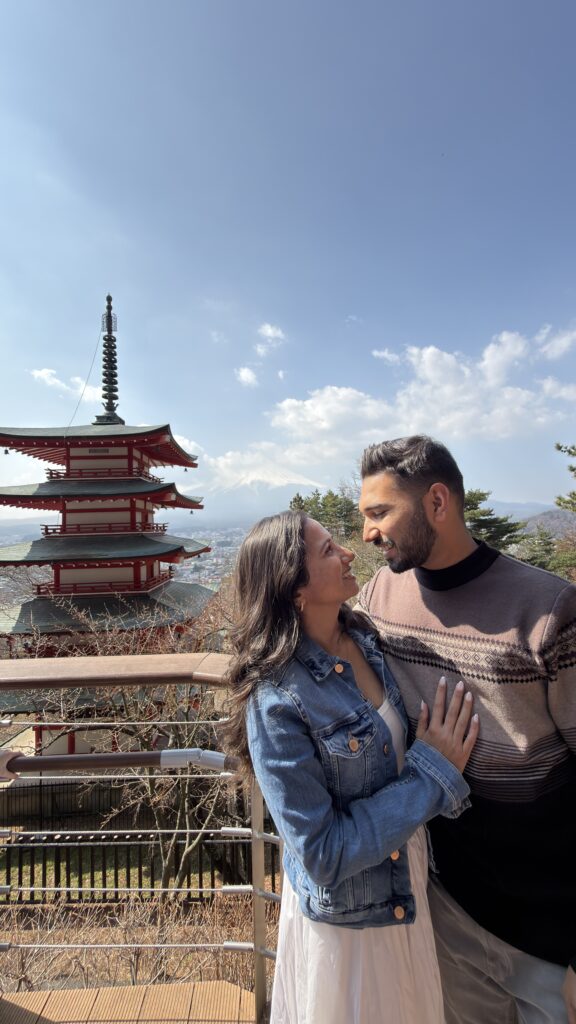
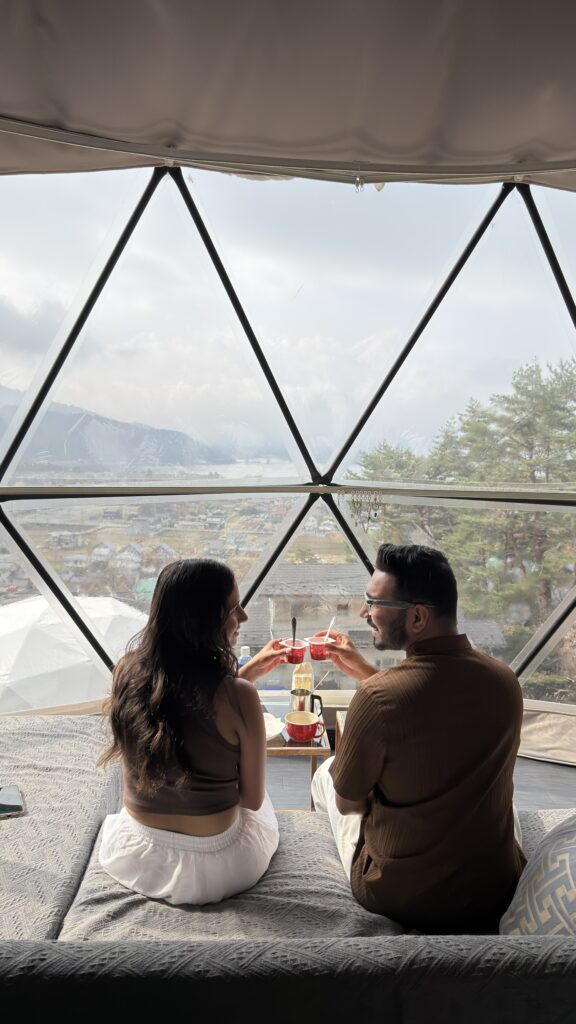
We left Tokyo early for our one-night stay around Mount Fuji, and this ended up being one of our favorite days of the entire trip.
Instead of relying on buses to get around Kawaguchiko all day, we rented a car for a few hours. It gave us much more flexibility to stop at different Mount Fuji viewpoints and explore the area at our own pace.
Send Your Luggage Ahead
Before leaving Tokyo, we forwarded our large suitcases to our next hotel and traveled to Mount Fuji with only a small overnight bag.
This was one of the best things we did in Japan. It made navigating Tokyo Station, taking the highway bus and exploring Kawaguchiko much easier.
Read our Japan Travel Guide: Everything to Know Before You Go for our complete luggage-forwarding experience.
Bus From Tokyo to Kawaguchiko
Our highway bus left Tokyo Station around 6:00 AM and arrived at Kawaguchiko Station around 8:30 AM.
We booked this bus in advance, which we definitely recommend during weekends and busy travel seasons.
💡 Travel Tip: Tokyo Station is huge. Arrive at least 30 minutes early so you have enough time to find the correct bus platform.
Chureito Pagoda
After arriving at Kawaguchiko, we headed to Chureito Pagoda at Arakurayama Sengen Park.
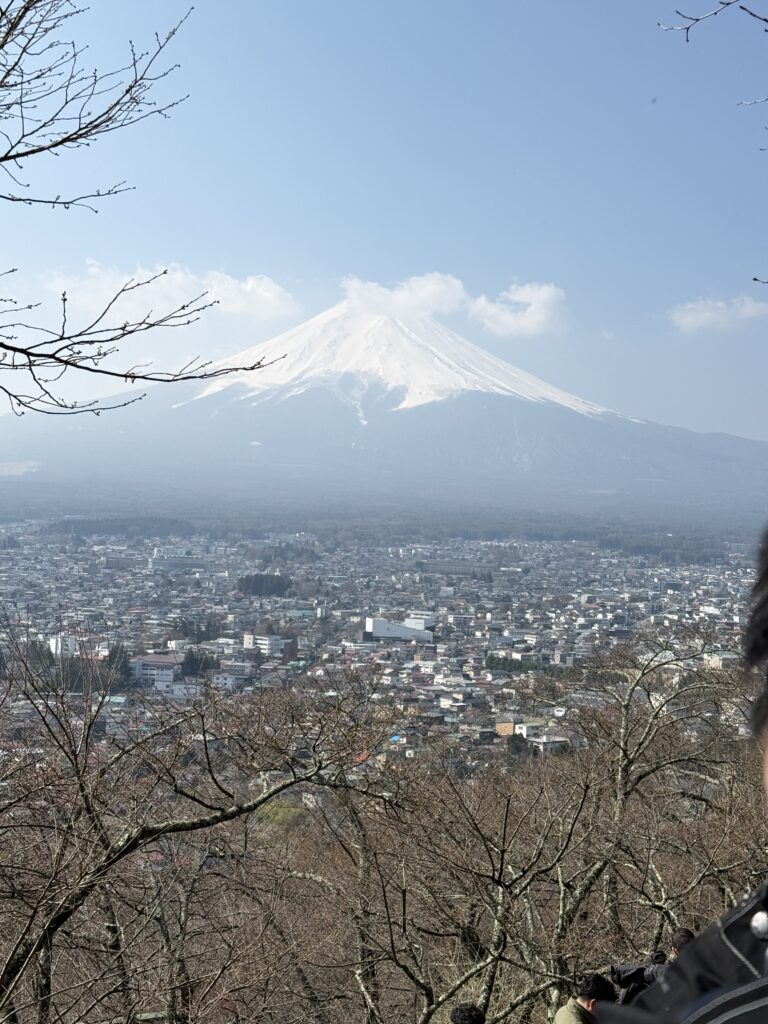
This is one of the most iconic Mount Fuji viewpoints in Japan. The classic view of the red five-story pagoda with Mount Fuji rising behind it.
The closest train station is Shimoyoshida Station, followed by roughly a 20-minute walk to the park. From there, you climb 398 steps to reach the main viewpoint. We booked an Uber to Chureito Pagoda to save time instead of taking the train to Shimoyoshida Station.
The climb takes a little effort, but the view from the top is absolutely worth it, especially on a clear day.
💡 Photo Tip: Mount Fuji is often clearest earlier in the morning, so we recommend making this one of your first stops.
Rent a Car at Kawaguchiko Station
After visiting Chureito Pagoda, we returned to Kawaguchiko Station and rented a car from a location right next to the station.
This ended up being one of the best decisions we made around Mount Fuji. The main viewpoints are spread out, and having a car gave us the freedom to explore at our own pace and stop whenever we found a great view.
If you plan to drive in Japan, make sure you have the required driving documents before your trip.
Tenku no Torii – Torii Gate in the Sky
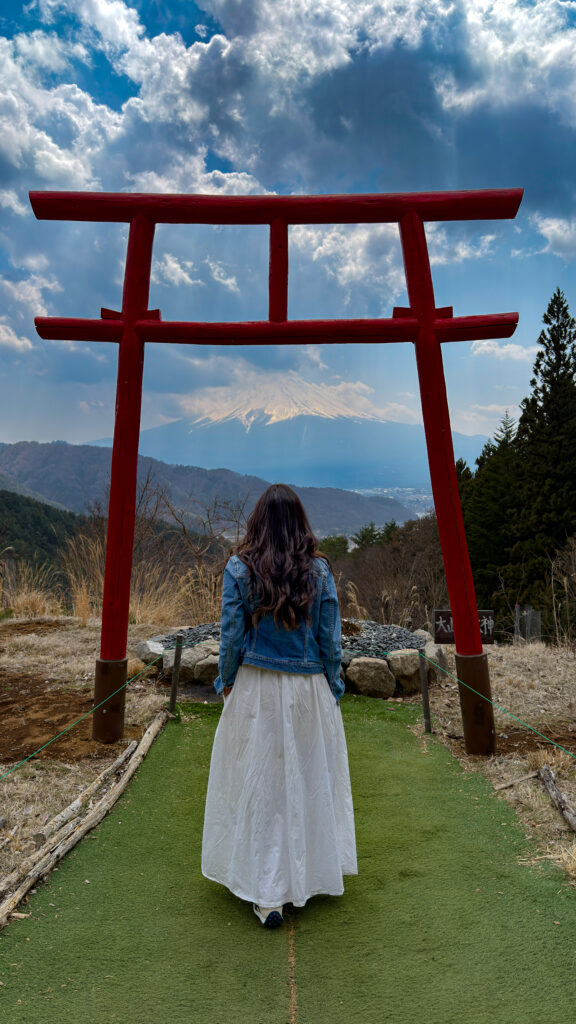
Our first stop was Tenku no Torii, also known as the Torii Gate in the Sky.
The drive up is steep and narrow in parts, but the view was completely worth it. It was incredibly quiet when we visited, and seeing Mount Fuji framed through the torii gate made this one of our favorite stops of the day.
Take your time on the drive up, especially near the viewpoint where the road and parking area can be narrow.
Oishi Park & Lake Kawaguchiko
From there, we drove to Oishi Park on the northern shore of Lake Kawaguchiko.
This is one of the easiest places to get a wide-open view of Mount Fuji across the lake, and the seasonal flowers along the waterfront make it even more beautiful.
After Oishi Park, we continued driving along the northern side of the lake and stopped at a few viewpoints along the way.
If you have time, Nagasaki Park is another quieter spot with beautiful views of Mount Fuji, especially during cherry blossom season.
💡 Our Tip: You do not need to visit every Mount Fuji viewpoint. Pick a few favorites and leave some flexibility because the mountain can disappear behind clouds very quickly.
Saiko Iyashi-no-Sato Nenba
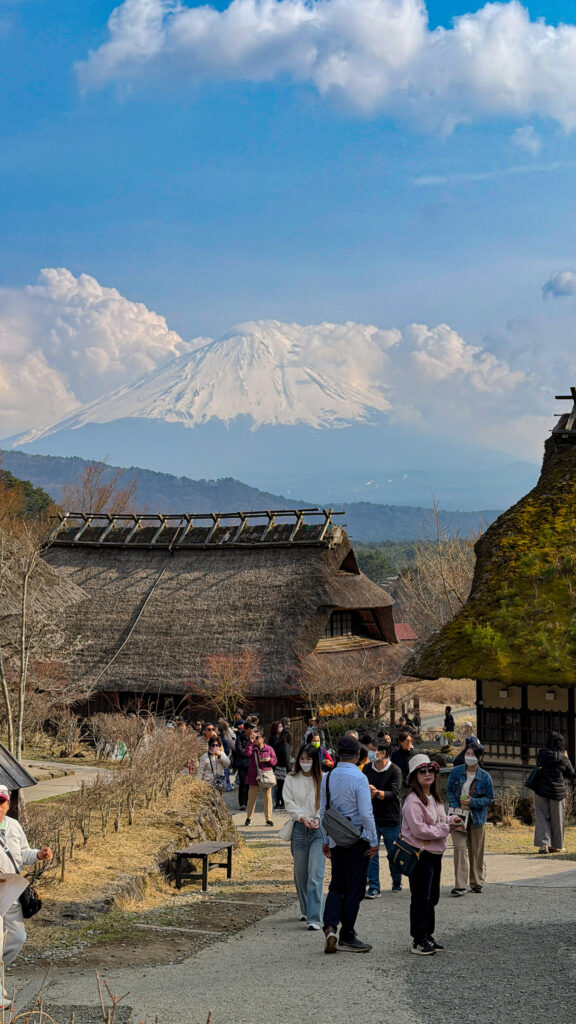
Our final major stop was Saiko Iyashi-no-Sato Nenba, a traditional village near Lake Saiko.
The village has around 20 thatched-roof houses with Mount Fuji visible in the background on clear days. You can walk through the village, explore small shops and local craft displays, and enjoy a completely different atmosphere from the busier Lake Kawaguchiko viewpoints.
It was one of our favorite stops of the day.
From March through November, the village is generally open 9 AM–5 PM, with last entry around 4:30 PM, so make sure you arrive with enough time to explore.
Return the Car & Head to MINENOHANA
After exploring Iyashi-no-Sato, we drove back toward Kawaguchiko and returned our rental car around 5 PM.
The rental location was right next to Kawaguchiko Station, which made the timing really convenient.
We had arranged for Mt. Fuji Glamping Terrace MINENOHANA to pick us up from Kawaguchiko Station, so after returning the car we simply met the hotel shuttle there.
💡 Planning Tip: Do not try to visit every famous Mount Fuji photo location in one day. The distances are longer than they appear, and Mount Fuji visibility may change throughout the day.
Mt. Fuji Glamping Terrace MINENOHANA
We stayed at Mt. Fuji Glamping Terrace MINENOHANA, one of our favorite stays from the trip.
Our dome had a direct view of Mount Fuji, which made the experience incredibly special.
The property offers a barbecue dinner option, including vegetarian options when requested in advance. There is no full restaurant on-site, so if you prefer something else, pick up food, snacks or drinks around Kawaguchiko Station before heading to the property.
💡 Accommodation Tip: Confirm your station pickup time and dinner selection with the property before arrival.
It also gets noticeably colder around Kawaguchiko at night, so bring warm layers.
Day 5 – Mount Fuji to Kyoto & Fushimi Inari Evening
A long travel day, with cherry blossom at Daigo-ji in the afternoon and Fushimi Inari after dark.
At a glance: Stops: Kawaguchiko–Mishima bus; Shinkansen to Kyoto; Daigo-ji in the afternoon (cherry blossom); Fushimi Inari in the evening; Higashiyama walk | Stay: Hotel SUI Kyoto Kiyomizu | Transport: Bus plus Shinkansen; JR Nara Line to Inari Station | Food: Dinner nearby in Higashiyama on a travel day (no specific restaurant named); Higashiyama restaurants serve both vegetarian and non-veg set meals
We woke up early at Mt. Fuji Glamping Terrace MINENOHANA and checked the view from our dome.
Morning is often one of the best times to see Mount Fuji because the sky may be clearer before clouds begin building later in the day.
After breakfast and checking out, the property dropped us back at Kawaguchiko Station.
From Kawaguchiko, we continued toward Kyoto.
The most practical route generally involves traveling from Kawaguchiko toward Mishima Station and then taking the Shinkansen to Kyoto.
Kawaguchiko to Mishima Station
From Kawaguchiko Station, take the highway bus toward Mishima Station.
Reserve the bus in advance when possible, particularly during weekends and busy travel periods.
Traffic around Mount Fuji can affect the journey, so leave a generous connection window before your Shinkansen.
Mishima to Kyoto by Shinkansen
From Mishima Station, take the Tokaido Shinkansen toward Kyoto.
Depending on the train service and schedule, you may travel directly or transfer at another station.
When reserving the Shinkansen, choose seats on the side that may provide Mount Fuji views if weather conditions are clear.
Arriving in Kyoto: After arriving at Kyoto Station, we continued to our accommodation and checked in. Kyoto Station is another enormous transportation and shopping complex, so give yourself time to find your exit.
Because we forwarded our main luggage from Tokyo, we did not need to carry large suitcases during the Mount Fuji-to-Kyoto journey.
Our luggage was waiting for us at our Kyoto accommodation or arrived according to the delivery schedule confirmed with the hotels.
💡 Luggage Tip: When forwarding luggage, confirm the delivery date with both hotels. Keep one change of clothing and essential toiletries with you in case the bag arrives the following day.
Kyoto Afternoon & Evening: Check In, Daigo-ji, Then Fushimi Inari
After arriving in Kyoto, we checked in, then headed south for Daigo-ji in the afternoon and Fushimi Inari in the evening, both in the same part of Kyoto, so we did not have to backtrack.
We checked into Hotel SUI Kyoto Kiyomizu, in the Higashiyama area, and took some time to settle in and freshen up after the bus and Shinkansen journey. Staying in this part of Kyoto meant we were already close to some of the city’s most atmospheric streets, so we did not need to travel far to feel like we had arrived.
Daigo-ji Temple in the Afternoon
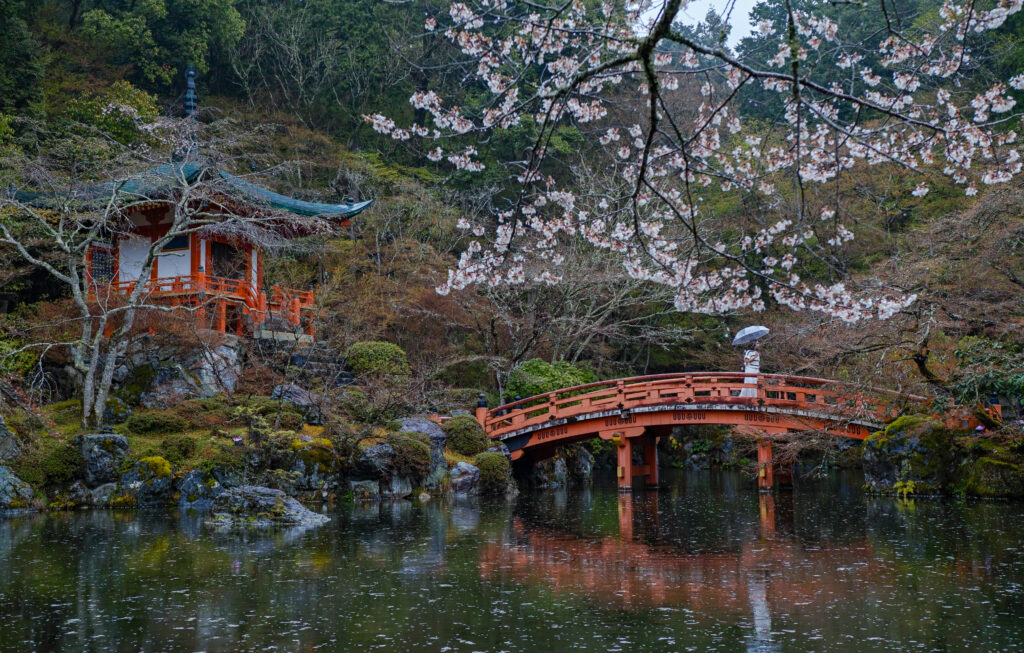
After checking in, we headed to Daigo-ji Temple in the afternoon. Daigo-ji is a UNESCO site famous for its cherry blossoms and historic pagoda, and it is one of the best places to visit during cherry blossom season.
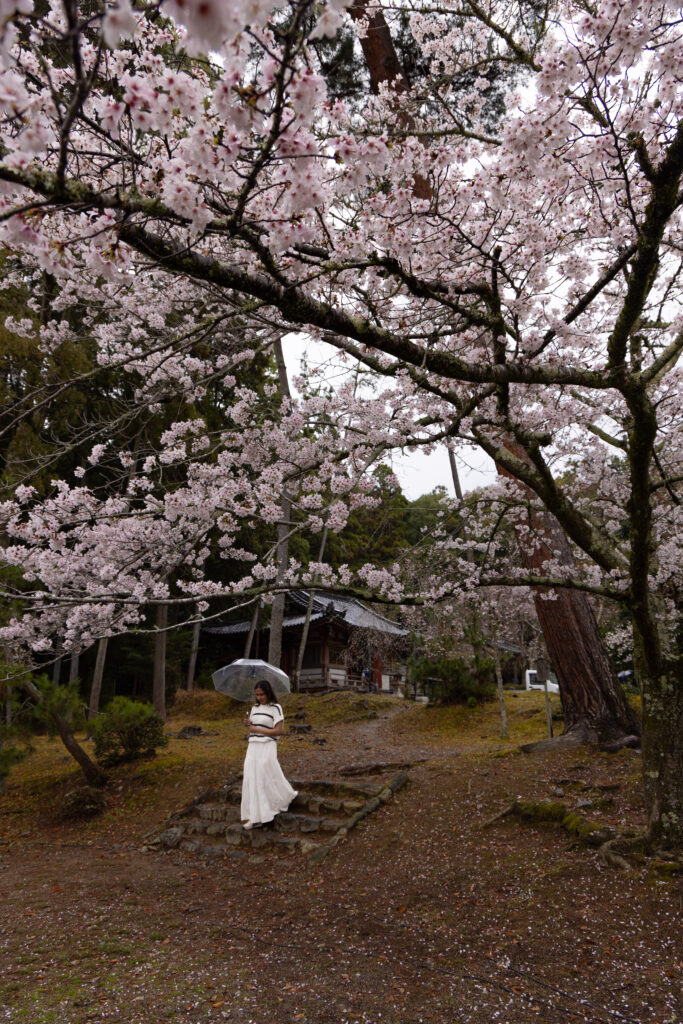
The five-story pagoda here is the oldest in Kyoto, and the temple grounds are large and peaceful. During cherry blossom season, this is an especially beautiful stop.
Daigo-ji is a daytime stop, so it needs an early-afternoon arrival in Kyoto. If you arrive late, skip Daigo-ji and keep Fushimi Inari only, Fushimi works late, Daigo-ji does not.
Fushimi Inari Taisha in the Evening
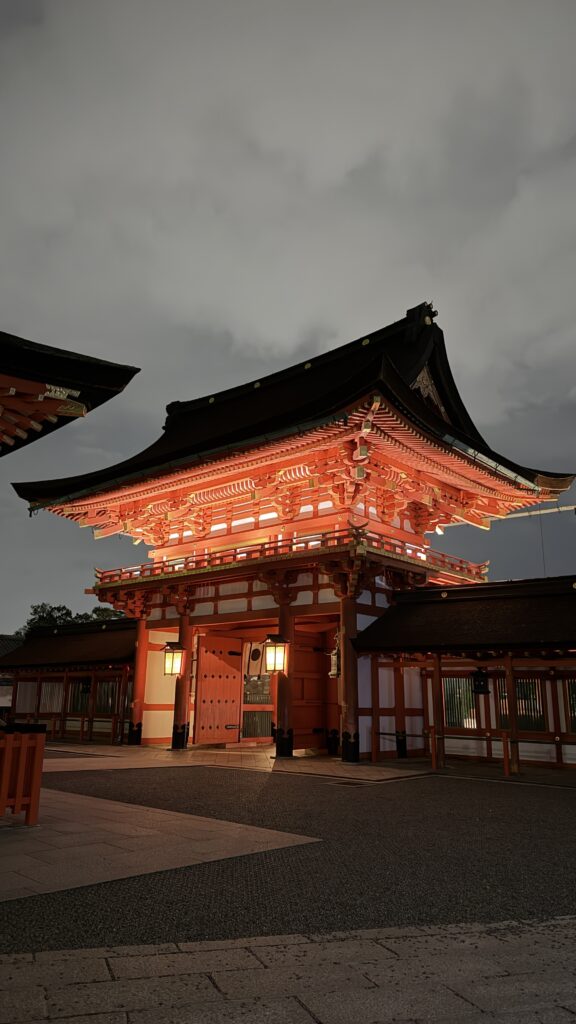
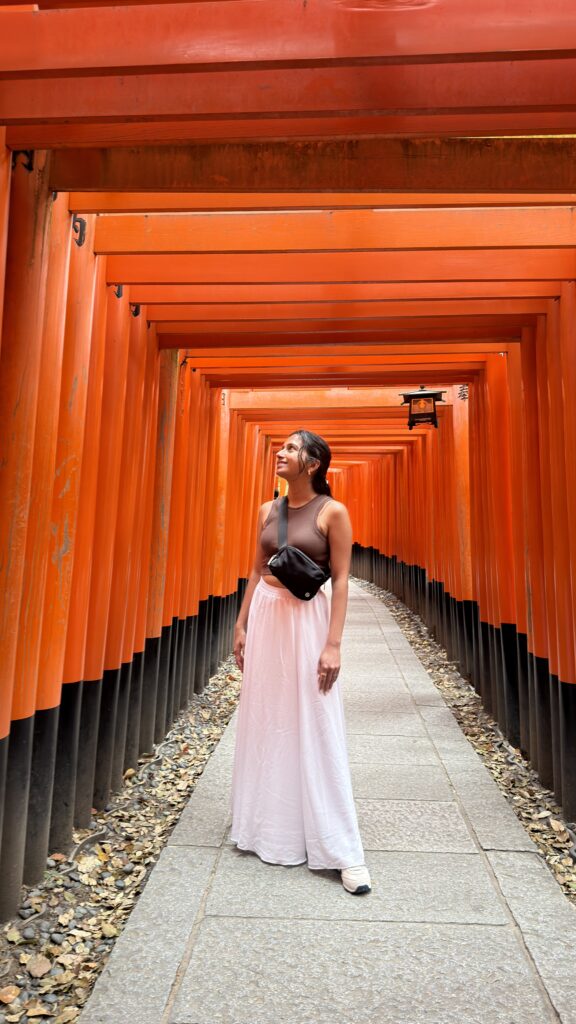
In the evening, we headed to Fushimi Inari Taisha, famous for its thousands of vermilion torii gates.
Take the JR Nara Line from Kyoto Station to Inari Station. The shrine entrance is about a four-minute walk from there.
Fushimi Inari is free and open 24 hours, which is exactly why it works so well on a travel day. We walked through the Sembon Torii, the tunnel of thousands of gates, and continued partway up the mountain. The higher you go, the quieter it gets, and in the evening it felt much calmer than it would have in the middle of the day.
We kept this visit to the main torii tunnel and a short climb, rather than hiking the full mountain. After a morning at Mount Fuji and an afternoon of travel, that was more than enough, and it meant we did not have to squeeze Fushimi Inari into the next day as well.
We found dinner nearby after returning, walked around the nearby Higashiyama streets for a first feel for Kyoto, and headed back to the hotel fairly early. The traditional wooden buildings, small shops and quiet lanes felt completely different from the busy stations and crossings we had just left behind.
💡 Travel Tip: Fushimi Inari is one of the few major Kyoto sights that works really well in the evening, because the grounds are open late and the main gates are close to the station. Keep it to the main tunnel on a travel day, and save the full hike for a day when you have more energy.
Day 6 – Kyoto: Arashiyama & Silver Pavilion
Start early or do not bother, Arashiyama is a different place before the crowds arrive.
At a glance: Stops: Arashiyama Bamboo Grove; Tenryu-ji; Iwatayama Monkey Park; Adashino and Otagi Nenbutsu-ji; Ginkaku-ji; custom pillow appointment | Stay: Hotel SUI Kyoto Kiyomizu | Transport: Train/bus to Arashiyama and northern Kyoto | Food: Zirael (vegan, Arashiyama)
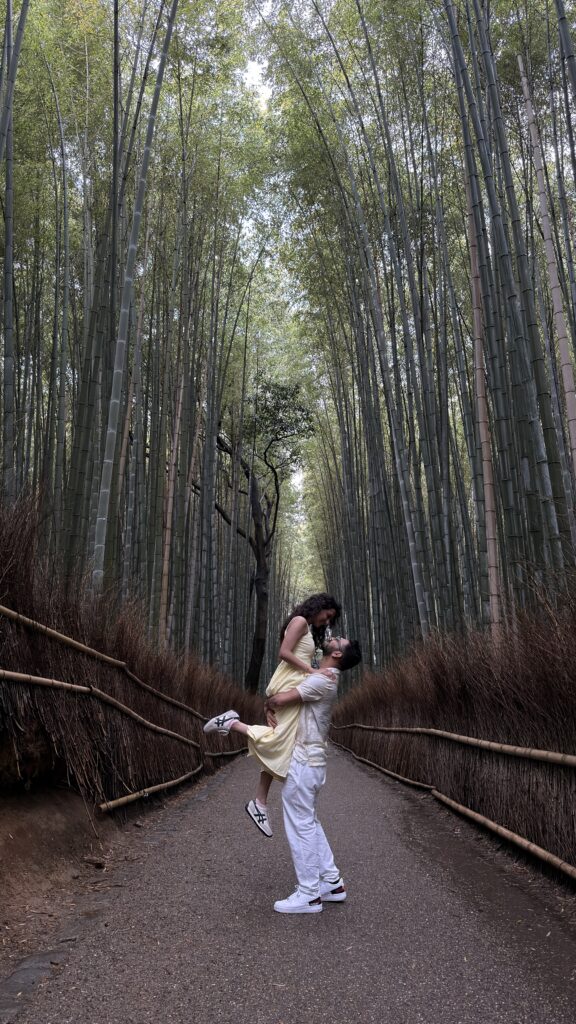
Our first full day in Kyoto focused on the western and northern sides of the city, starting very early in Arashiyama.
Arashiyama Bamboo Grove – Go Super Early
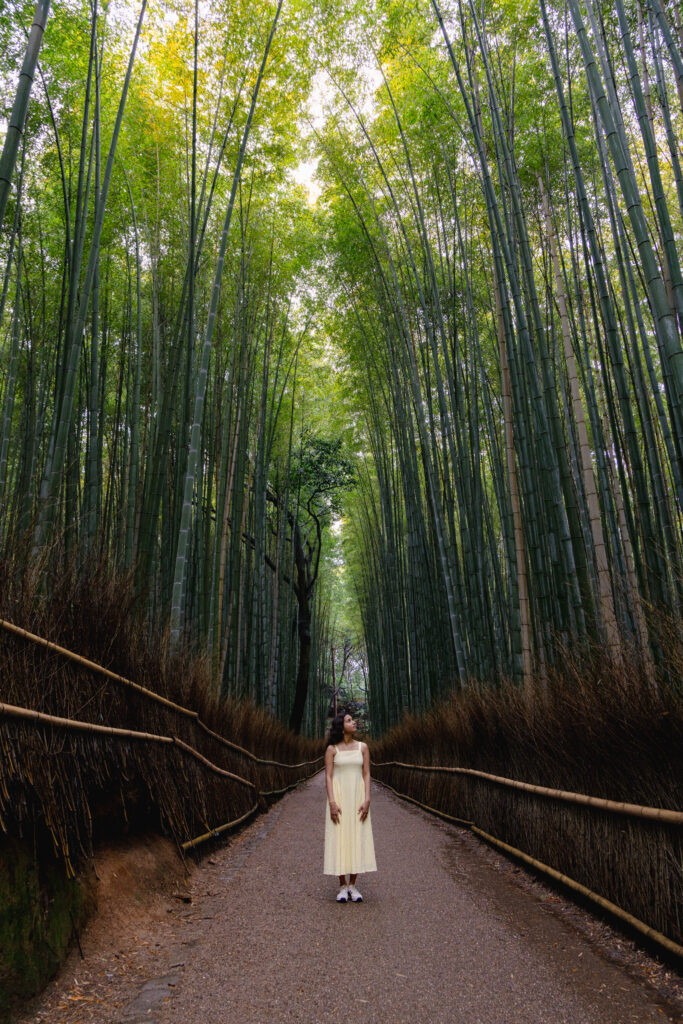
We started at the Arashiyama Bamboo Grove, and we really do recommend going as early as you can.
The grove is about 25 minutes by train or bus from Kyoto Station, near Saga-Arashiyama Station. Early in the morning, it is much quieter, and the light filtering through the bamboo is beautiful for photos.
💡 Travel Tip: The bamboo grove itself is a short walk, but it gets crowded quickly later in the morning. Arrive early, then continue to the temples nearby before the tour groups arrive.
Tenryu-ji Temple
Next, we visited Tenryu-ji Temple, a UNESCO World Heritage site famous for its Zen garden. The garden is beautifully designed and feels peaceful even when Arashiyama itself is getting busier.
Iwatayama Monkey Park
After Tenryu-ji, we walked to Iwatayama Monkey Park. It is a short hike up, but the views over Kyoto from the top are amazing, and seeing the monkeys roaming freely is a fun change from temples.
Lunch: Zirael
For lunch, we stopped at Zirael, a vegan restaurant in Arashiyama. It was a good break after the morning walk and hike, and a useful option if you are looking for vegetarian food in this part of Kyoto.
Hidden Temples in Northern Arashiyama
After lunch, we explored some of the quieter temples in northern Arashiyama.
Adashino Nenbutsu-ji is known for its thousands of stone statues, while nearby Otagi Nenbutsu-ji is famous for its hundreds of funny monk sculptures and its quiet bamboo grove. These two stops felt completely different from the main Arashiyama crowds and were some of our favorite quiet moments in Kyoto.
Ginkaku-ji (Silver Pavilion) & Philosopher’s Path
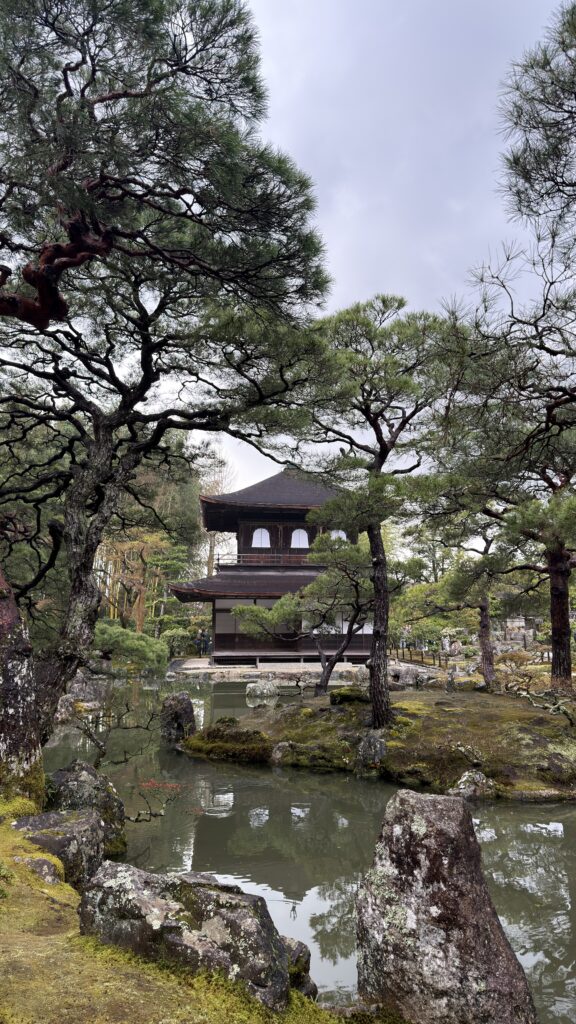
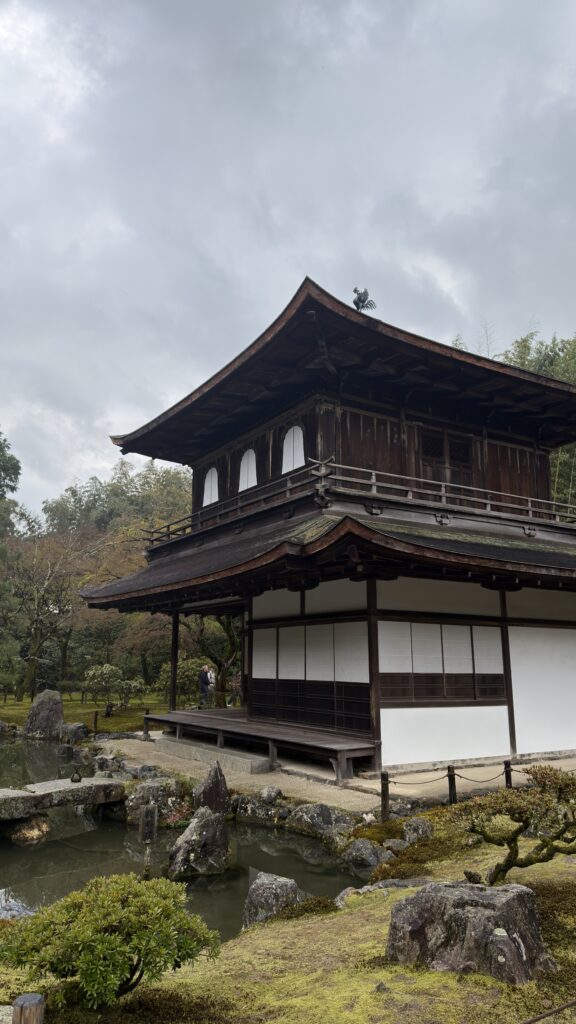
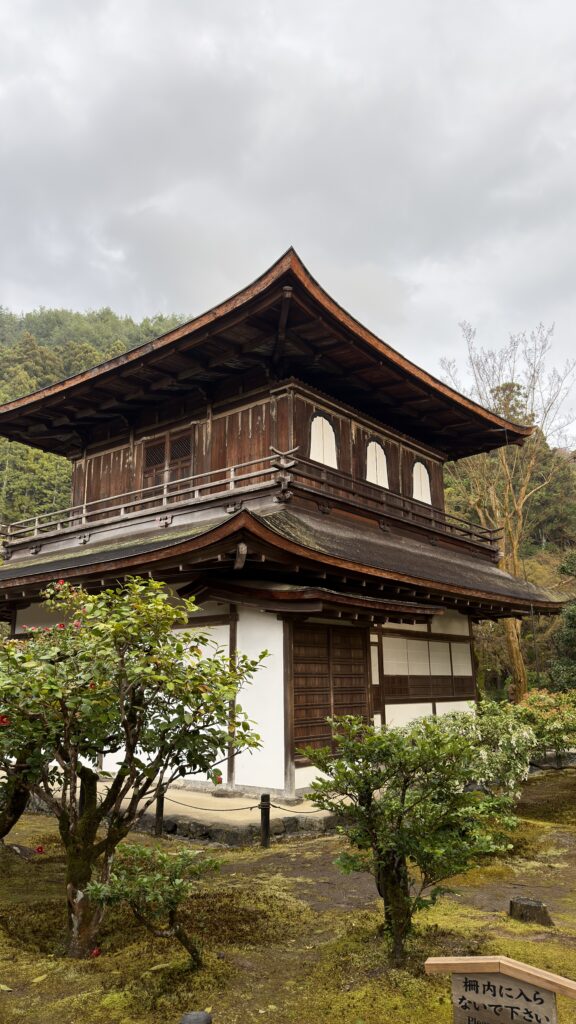
Next, we visited Ginkaku-ji, the Silver Pavilion, known for its Zen gardens and for being the starting point of the Philosopher’s Path. The gardens here are more understated, but that is part of their charm.
Custom Pillow Appointment
In the late afternoon, we had an appointment for a custom pillow in Kyoto. This was a unique, very Japanese experience and a fun souvenir that we actually use at home, unlike many of the things we almost bought and left behind.
Optional Evening Stops
If you still have time and energy, other Kyoto options include:
• Nijo Castle, a historic Tokugawa shogun residence, illuminated at night during cherry blossom season
• Nishiki Market, Kyoto’s famous street food market
• Nintendo Museum, for Nintendo history
• To-ji Temple, known for Kyoto’s tallest pagoda and about a 15-minute walk from Kyoto Station
• Kifune Shrine, a mountain shrine north of Kyoto
• Ninna-ji Temple, a beautiful temple complex
• Kinkaku-ji (Golden Pavilion), the gold-covered temple reflected in the pond, one of Japan’s most famous views, about 44 minutes by bus from Kyoto Station
• Heian Shrine, known for its massive torii gate and large landscaped gardens
• Kodai-ji Temple, known for its beautiful bamboo grove and Zen gardens, near Kiyomizu-dera
We would not try to fit all of these into one day. Pick one or two that interest you most and save the rest for a return trip.
💡 Our Tip: Arashiyama and the northern temples are a lot of walking, so this day pairs well with a slower evening. Do not plan a late dinner reservation after a day like this unless you know you will still have energy for it.
Day 7 – Kyoto Morning & First Evening in Osaka: Kiyomizu-dera, Gion & Dotonbori
Kiyomizu in the morning, Dotonbori at night, a day that changed cities.
At a glance: Stops: Kiyomizu-dera; Sannenzaka and Ninenzaka; Yasaka Pagoda; Yasaka Shrine; Gion; travel to Osaka; Rikuro’s Cheesecake; Dotonbori; Hozenji Yokocho | Stay: Eslead Hotel Namba East | Transport: Bus in Kyoto; special rapid train Kyoto–Osaka | Food: Kyoto Engine Ramen / Another option in Kyoto is Mumokuteki Cafe & Foods; Dotonbori takoyaki (non-veg, for Dhiral) and Osaka street food
We spent the morning in Kyoto, then travelled to Osaka midday, and ended with our first Osaka evening.
We started with breakfast near Kyoto Station. Panel Cafe Kyoto is a good option in this area, known for its fluffy pancakes and specialty coffee, and it set us up well for a long day of walking.
Kiyomizu-dera Temple
In the morning, we headed to Kiyomizu-dera Temple, one of Kyoto’s most famous sights.
It is about a 16-minute bus ride from Kyoto Station to the Kiyomizu-michi stop. The famous wooden terrace gives you beautiful views over the Kyoto skyline, and the temple area itself is wonderful to walk around.
Historic Streets: Sannenzaka & Ninenzaka
From Kiyomizu-dera, we walked downhill through Sannenzaka and Ninenzaka.
These preserved streets are lined with traditional houses, souvenir shops and matcha dessert stops. It is one of the most photogenic walks in Kyoto, especially in the morning light.
Photo Stop: Hokan-ji (Yasaka Pagoda)
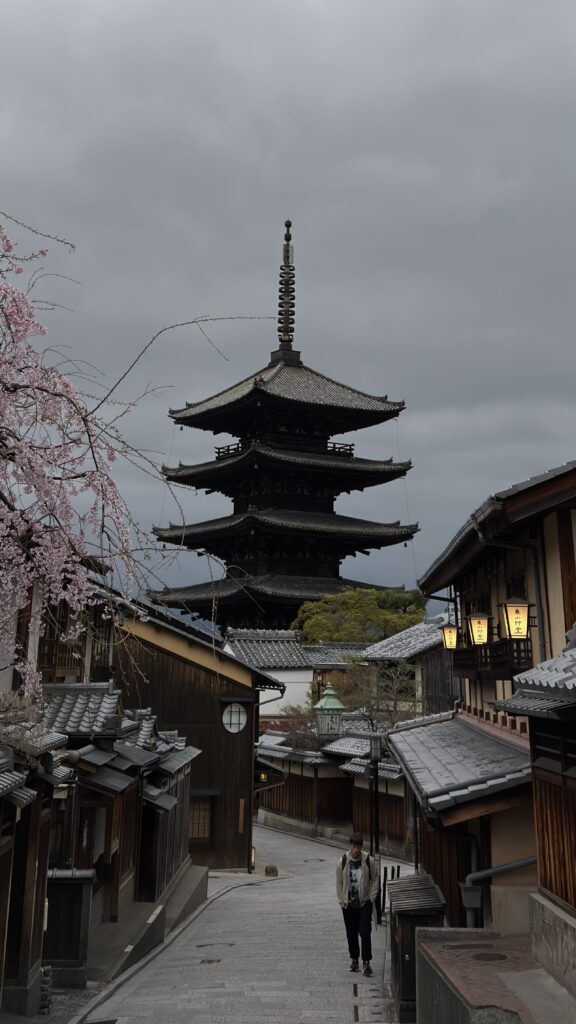
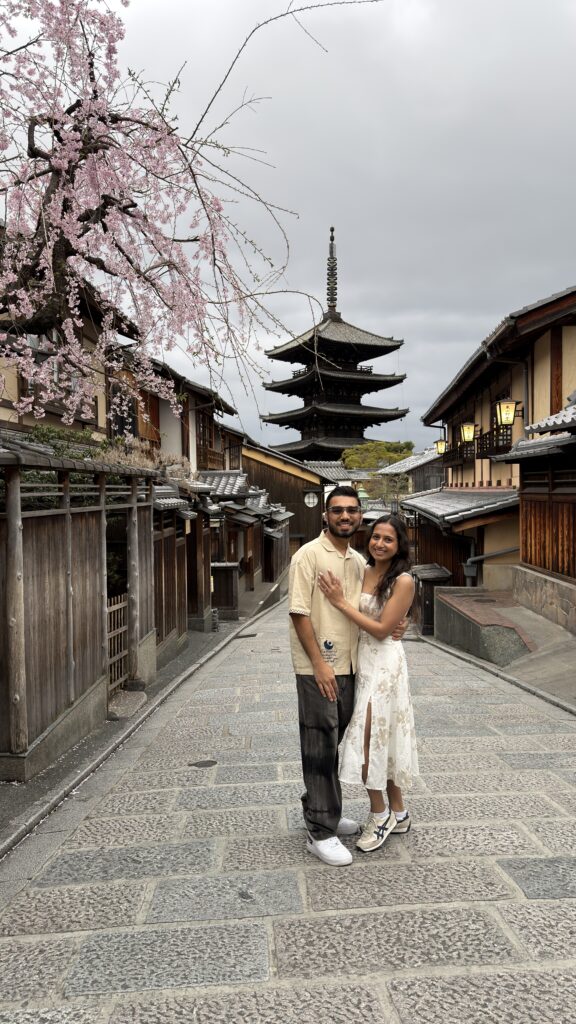
Along the way, we stopped for photos at Hokan-ji, better known as Yasaka Pagoda. It rises above the traditional rooftops and is one of Kyoto’s most recognizable views.
Tea Stop: Ippodo Tea
We also stopped at Ippodo Tea Kyoto Main Store. It is easy to fit into this walk and makes a nice break before travelling to Osaka.
If you want something different, THISISSHIZEN is in Kyoto for plant-based ice cream with matcha flavors.
Yasaka Shrine
We stopped at Yasaka Shrine on our way through Gion, before heading to Osaka. The shrine is famous for its lantern-lit atmosphere, and it is a lovely stop as you walk toward Gion.
Walk: Gion & Hanamikoji Street
From Yasaka Shrine, we walked through Gion and along Hanamikoji Street. This is Kyoto’s historic geisha district, with traditional wooden buildings, tea houses and restaurants. You might see geiko or maiko here in the evening, but remember to be respectful and avoid blocking the street for photos.
💡 Our Tip: This is a long travel day, so start early at Kiyomizu-dera and keep the Kyoto morning to the Higashiyama walk, Arashiyama was the day before.
Lunch in Kyoto
For lunch in Kyoto, before travelling to Osaka, we had Kyoto Engine Ramen.
If you want a vegetarian option in Kyoto, Mumokuteki Cafe & Foods is a good second choice in Kyoto.
Kyoto to Osaka by Train
We took the special rapid train on the Tokaido-Sanyo Line from Kyoto to Osaka. Trains run about every 15 minutes, and you can use a Suica card for this journey. It is a straightforward trip, and we did not need a Shinkansen for this leg.
In Osaka, we checked into Eslead Hotel Namba East, which was well located for exploring the Namba and Dotonbori area on foot in the evening.
Dessert Stop: Rikuro’s Cheesecake
No first day in Osaka is complete without a stop at Rikuro’s Cheesecake, home of Osaka’s famous fluffy, jiggly Japanese cheesecake.
Fresh cheesecakes come hot from the oven, and you can watch the baker stamp the logo on top. It is best eaten warm, and it makes a perfect quick snack before heading into the city for the evening. The Namba Main Store is a good location to aim for.
Night: Dotonbori
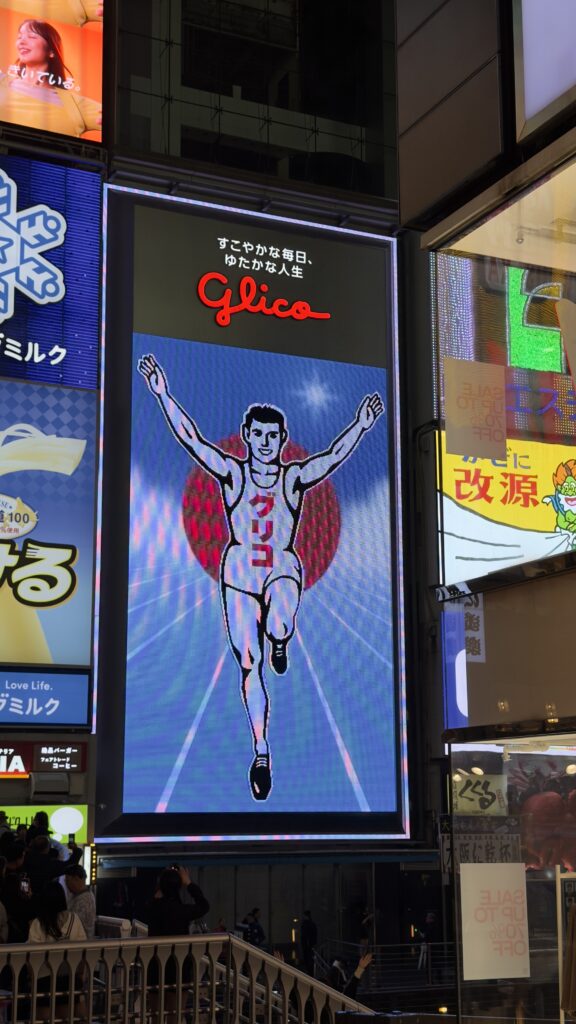
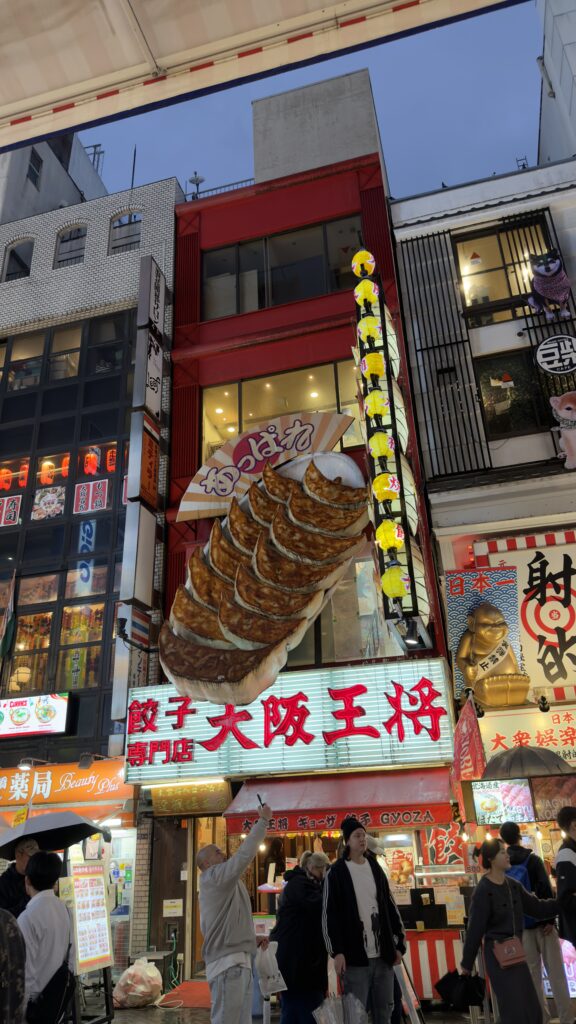
In the evening, we explored Dotonbori, Osaka’s famous neon district.
Things to do here include:
• Try takoyaki
• Take a photo with the Glico running man sign
• Walk along the canal and enjoy the night reflections
Dotonbori is loud, bright and busy at night, and that is exactly why it is fun. Go with the energy of it rather than trying to rush through.
Hidden Alley: Hozenji Yokocho
From Dotonbori, walk to Hozenji Yokocho, a beautiful lantern-lit stone alley that feels like old Osaka.
Do not miss Hozenji Temple and the famous moss-covered Fudo Myoo statue. This area is very photogenic at night and much quieter than Dotonbori, which makes it a perfect contrast after the neon lights.
Photo spots here include the lantern-lit alley entrance, the stone-paved narrow street and the temple lanterns at night.
Optional: Den Den Town
If you still have energy, Den Den Town is nearby and known for anime stores, retro gaming, electronics shops and figure collectibles.
Dessert / Drinks: Sweets Bar Key
We ended the evening with a stop at Sweets Bar Key for dessert and drinks, a sweet way to finish our first night in Osaka.
💡 Travel Tip: Osaka’s Namba and Dotonbori area is very walkable in the evening, so you do not need to take trains between these stops. Just follow the signs and the crowds, and keep your phone charged for photos.
Day 8 – Nara Day Trip: Deer Park, Todai-ji & Kasuga Taisha
Nara is worth the 5:57am train, the deer are hungrier, the temples are quieter, and the photos are better.
At a glance: Stops: Nara Park deer; Nandaimon Gate; Todai-ji; Nigatsudo Hall; Hokkedo; Kasuga Taisha; Nakatanidou mochi | Stay: Eslead Hotel Namba East (day trip from Osaka) | Transport: JR Yamatoji Line, about 45 minutes, about ¥800 | Food: Kinatei (vegetarian Japanese meal); non-veg option: restaurants near Nara Park also serve meat and seafood set meals; Nakatanidou mochi is a vegetarian-friendly snack
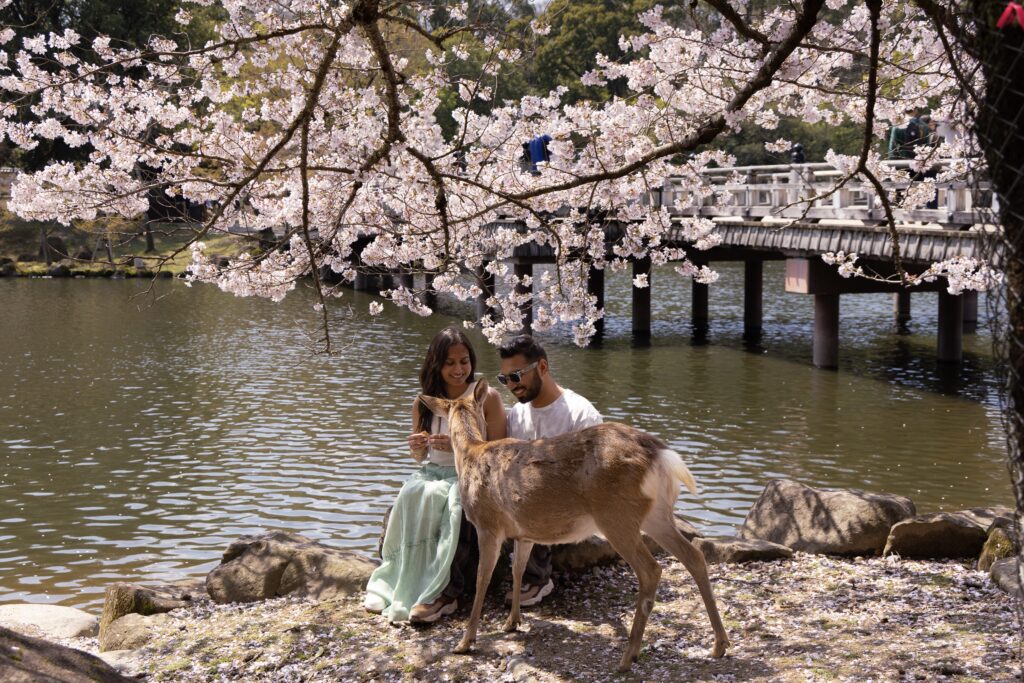
From Osaka, we took a day trip to Nara, and it ended up being one of our favorite days of the whole trip.
Getting to Nara
We took an early train from Osaka to Nara. The train station was about a 15-minute walk from our hotel, and we took the 5:57 AM train to arrive early.
Take the JR Yamatoji Line from Osaka / Namba to Nara. The journey takes about 45 minutes and costs around ¥800.
💡 Travel Tip: Go early. The deer are hungrier in the morning, the main temples are quieter, and you will have much better photos before the larger crowds arrive.
Stop 1: Nara Park & Deer
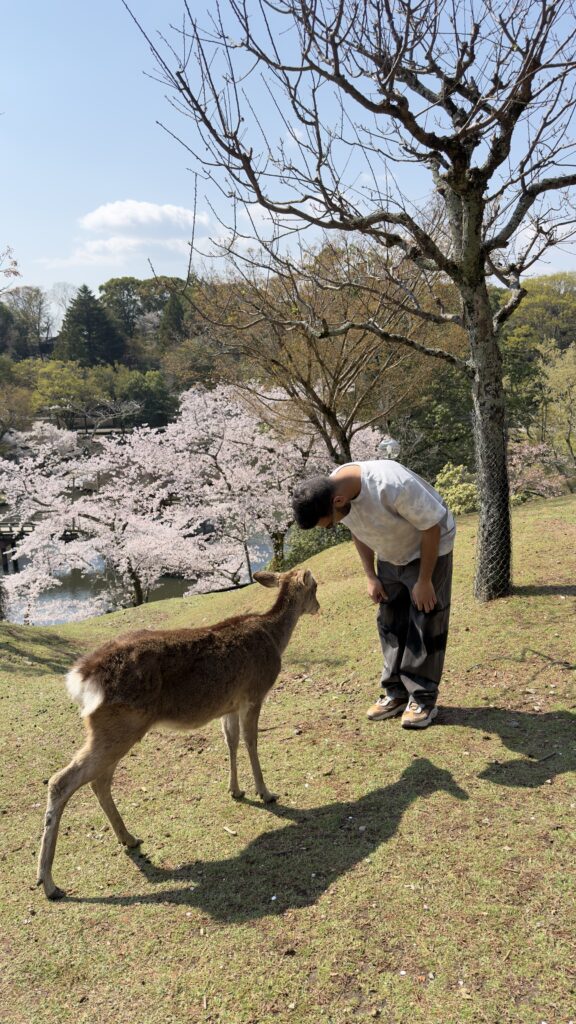
Our first stop was Nara Park, where the famous Sika deer roam freely.
You can buy deer crackers, called shika senbei, and the deer will often bow before eating. Walk further into the park for quieter areas and better photos with the temples in the background.
Deer tips we learned:
• Deer bow for crackers
• Raise both hands to show you have no food when you want them to move on
• Wear shoes you do not care about
• Go early when deer are hungrier
• They may nip pockets if they smell food
Stop 2: Nandaimon Gate
Next, we walked to Nandaimon Gate, the Great South Gate of Todai-ji.
This huge wooden gate is guarded by two giant Nio statues. Stand centered under the gate for a photo that shows its scale.
Stop 3: Todai-ji (Great Buddha Temple)
Todai-ji is home to the Great Buddha, or Daibutsu, one of the largest bronze Buddha statues in the world.
The wooden temple hall itself is one of the largest wooden buildings in the world, and standing inside it next to the Great Buddha is genuinely impressive.
Stop 4: Nigatsudo Hall
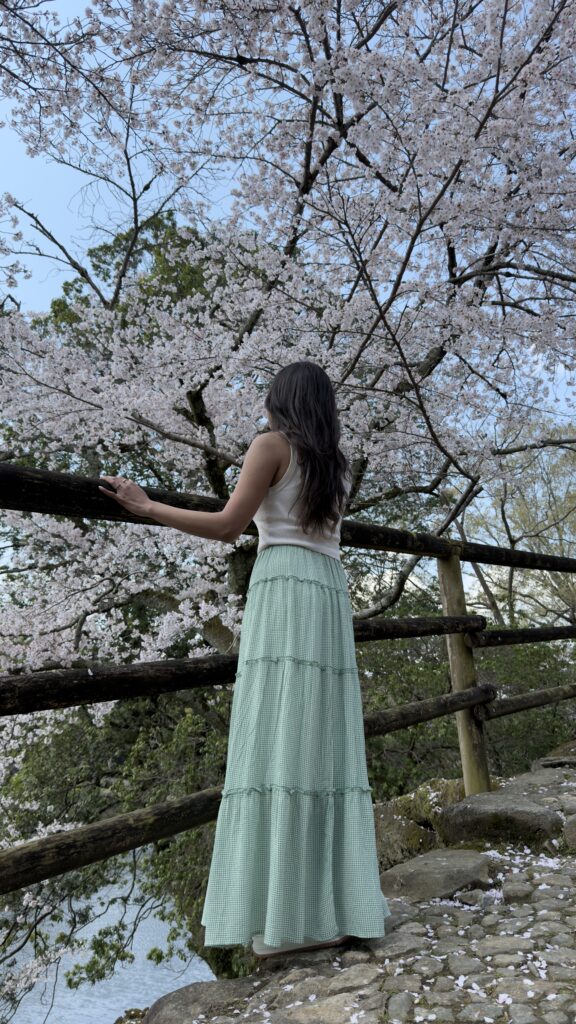
From Todai-ji, we visited Nigatsudo Hall, a beautiful wooden hall with a balcony overlooking Nara.
The Nigatsudo terrace view is one of the most underrated viewpoints in Japan, and it is perfect for photos and reels. Do not miss the stone lantern staircase on the way up.
Stop 5: Hokkedo (Sangatsudo)
Nearby, Hokkedo Hall, also called Sangatsudo, is one of the oldest buildings in the Todai-ji complex. It is known for its ancient Buddhist statues and quiet, historic atmosphere, a nice contrast after the main hall.
Stop 6: Kasuga Taisha Shrine
Our next stop was Kasuga Taisha Shrine, one of Nara’s most beautiful shrines, famous for its thousands of lanterns.
The lantern-lined paths and vermilion shrine buildings make this one of the most photogenic shrines we visited in Japan.
Snack Stop: Nakatanidou Mochi – A Must
For a snack, Nakatanidou is a must-stop in Nara, famous for its freshly pounded mochi. Watching it being made is part of the experience, and it is best eaten fresh.
Lunch: Kinatei
For lunch, Kinatei is a good option for a vegetarian Japanese meal in Nara. It was a welcome sit-down break after a morning of walking through the park and temples.
💡 Our Tip: Nara is very walkable once you arrive, but it is a full day of walking. Bring water, wear comfortable shoes and do not try to rush from temple to temple. The park itself, between the main sights, is part of the experience.
Day 9 – South Osaka: Shitenno-ji, Abeno Harukas & Shinsekai
South Osaka does old and retro in one day, a 1,400-year-old temple in the morning, neon Shinsekai at night.
At a glance: Stops: Shitenno-ji; Tennoji Park; Abeno Harukas; Shinsekai; Tsutenkaku; Namba Yasaka Shrine | Stay: Eslead Hotel Osaka Shinsaibashi | Transport: Walking and train in Tennoji–Shinsekai | Food: Kushikatsu (non-veg, typically pork, chicken and seafood skewers, with vegetable skewers also available)
Our second full day in Osaka focused on the south side of the city, from some of its oldest temples to its most retro neighborhood.
We checked into Eslead Hotel Osaka Shinsaibashi for this part of the stay, which worked well for the Tennoji and Shinsekai area as well as for Shinsaibashi shopping the next day.
Morning: Shitenno-ji Temple
We started at Shitenno-ji Temple, one of the oldest Buddhist temples in Japan, founded in 593 AD.
Highlights include the five-story pagoda and the peaceful temple grounds. After the busy Dotonbori evening the night before, starting the day here felt calm and grounding.
Tennoji Park
Next, we walked through Tennoji Park, a relaxing green park with walking paths and gardens. It is a good place for a break between temples and the observatory, especially if you want some quiet time in the middle of the day.
Abeno Harukas & Harukas 300 Observatory
From Tennoji Park, we headed to Abeno Harukas, Japan’s tallest skyscraper at 300 meters.
Visit the Harukas 300 Observatory for skyline views over Osaka. The best time to go is around 4:30–5:30 PM, so you can see daylight turn into sunset over the city.
💡 Photo Tip: If you want both daylight and sunset photos, arrive in that late-afternoon window rather than going at midday or after dark. The changing light over Osaka is worth timing your visit around.
Afternoon: Shinsekai District
In the late afternoon, around 5:30 PM, we explored Shinsekai District.
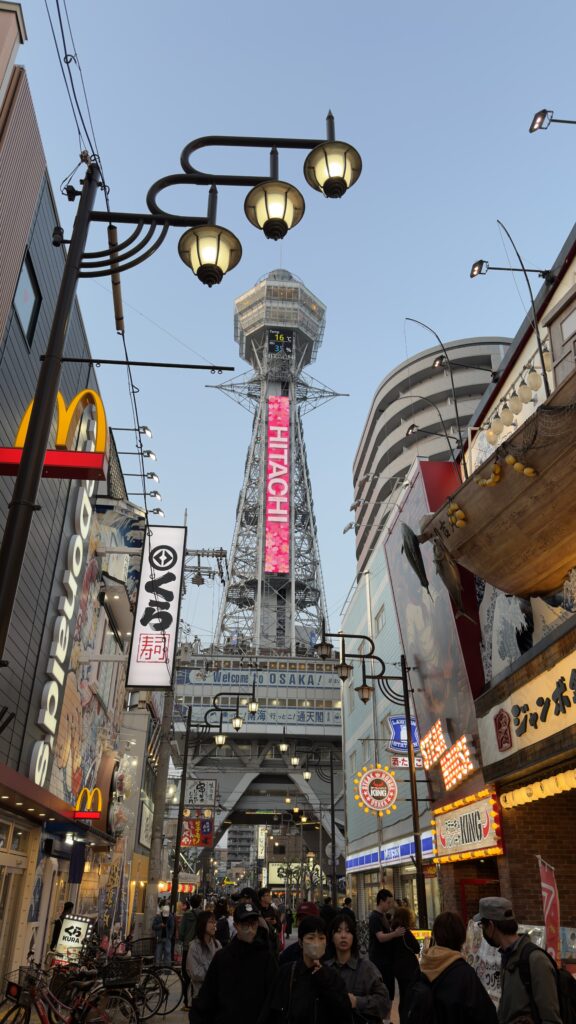
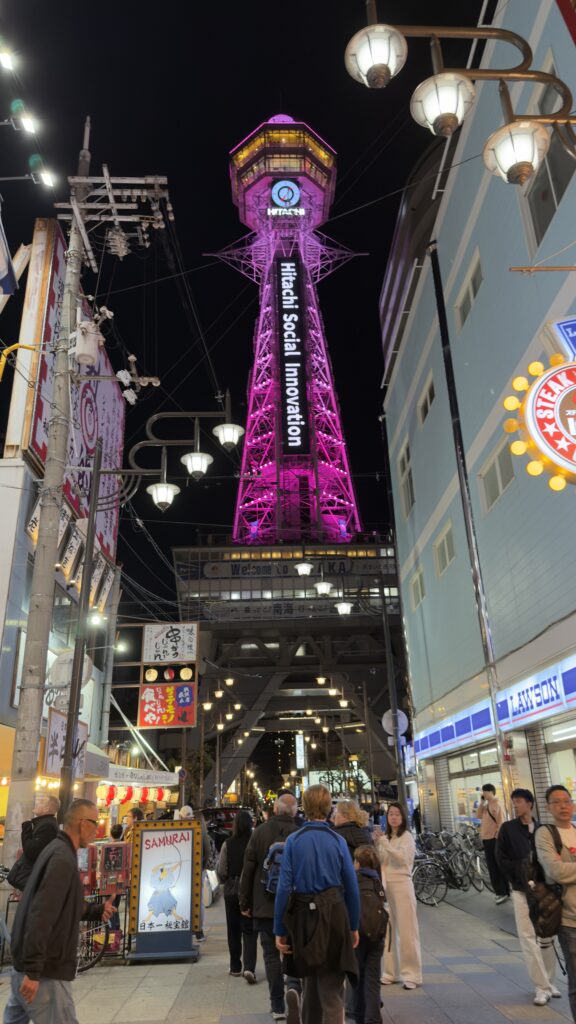
Shinsekai is a retro Osaka neighborhood known for neon signs, nostalgic streets and old-school restaurants. It feels like stepping back in time, and it is one of the most fun areas in Osaka to just wander and take photos.
Tsutenkaku Tower
In Shinsekai, do not miss Tsutenkaku Tower. Photo spots include the tower framed by the retro streets and the Billiken statue, a local good-luck figure that you will see all over Shinsekai.
Food Stop: Kushikatsu
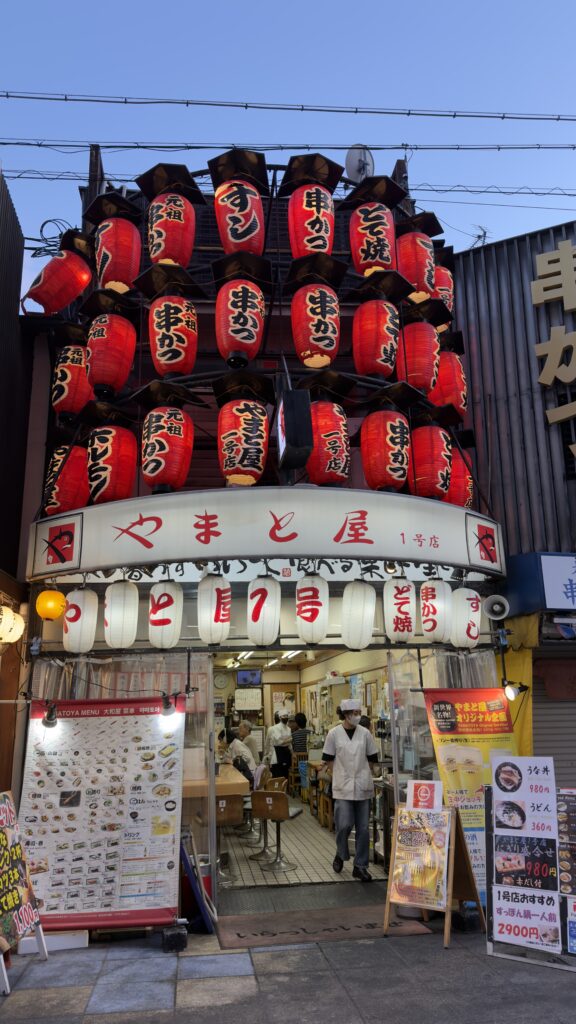
While in Shinsekai, try Osaka’s famous kushikatsu, fried skewers that are a local specialty. There are many shops in the area, and it is a perfect casual dinner-style stop as you explore.
Evening: Namba Yasaka Shrine
We ended the day at Namba Yasaka Shrine, famous for its giant lion head stage. The lion head is huge and completely unexpected if you have not seen photos of it before, and it makes for one of the most memorable photos from Osaka.
💡 Our Tip: South Osaka groups together really well in one day, from Shitenno-ji and Tennoji Park in the morning to Harukas for sunset and Shinsekai in the evening. Try not to split this route across two days, or you will end up backtracking.
Day 10 – Osaka Castle, Nakanoshima Park & Shinsaibashi Shopping
A calmer Osaka day, castle early, river walk, tofu lunch, then shopping before we left.
At a glance: Stops: Osaka Castle; Nakanoshima Park; Shinsaibashi shopping (Orange Street optional) | Stay: Eslead Hotel Osaka Shinsaibashi | Transport: Walking and train to the castle area | Food: Tofu Sorano Minamisemba (vegetarian tofu dishes); non-veg option: Shinsaibashi restaurants serve meat and seafood, and kushikatsu and takoyaki stalls are an easy non-veg alternative after a light tofu lunch
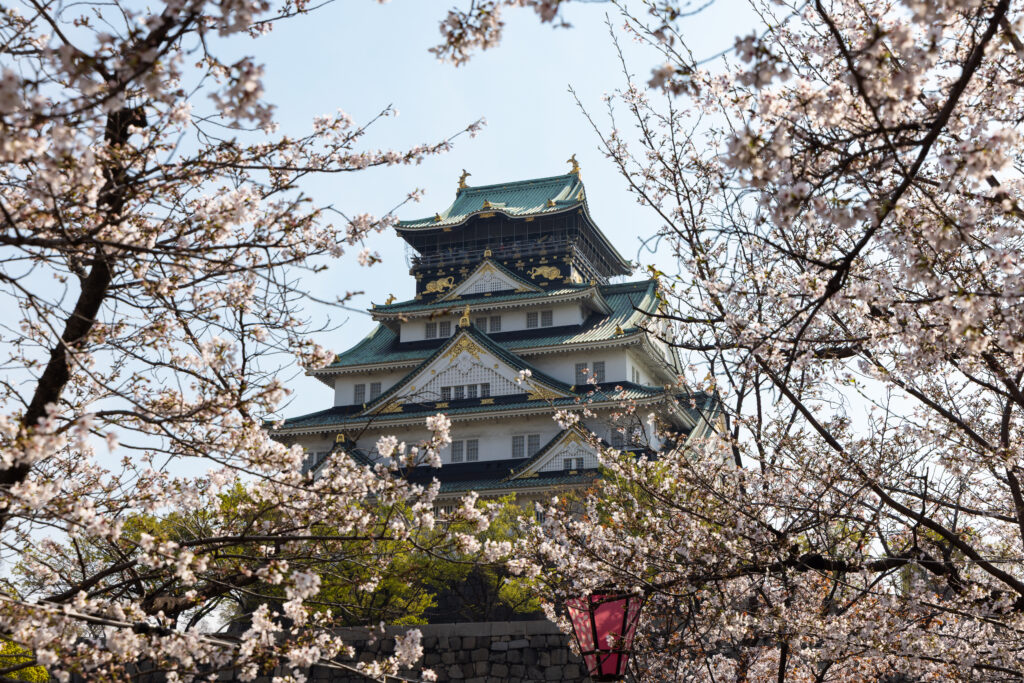
Our last full day in Osaka was a calmer, more local-feeling day, starting early at Osaka Castle and ending with shopping.
Early Morning: Osaka Castle
We started early at Osaka Castle, aiming for 8–9 AM before the biggest crowds arrived.
Photo spots include Nishinomaru Garden for the classic castle view, the castle bridge reflection and the outer moat view. The castle grounds are large, so give yourself time to walk around, not just to see the main tower.
💡 Travel Tip: Osaka Castle Tower opens at 9 AM, so arrive around 8:30 AM if you want photos of the castle and grounds before going inside.
Morning Walk: Nakanoshima Park
After the castle, we took a beautiful riverside walk through Nakanoshima Park, located between two rivers.
It is a peaceful break after the castle, with gardens, walking paths and river views, and it is a good place to slow down before lunch.
Lunch: Tofu Sorano Minamisemba
For lunch, we stopped at Tofu Sorano Minamisemba for traditional tofu dishes. It was a lighter, calmer lunch after a few days of richer Osaka food, and a good option if you want something different from kushikatsu and takoyaki.
Afternoon: Shopping in Shinsaibashi
In the afternoon, we spent time shopping in Shinsaibashi and the nearby streets.
Shinsaibashi is Osaka’s famous shopping street, with boutiques, department stores and street food. It is easy to spend a few hours here, especially if you are picking up last gifts or things you missed earlier in the trip.
Optional: Orange Street
Orange Street, Osaka’s trendy design district, is also nearby after Shinsaibashi shopping if you want more shopping.
Orange Street is known for stylish boutiques, furniture stores, aesthetic cafes and fashion brands. It is a great street for content, lifestyle photos and cafe hopping.
For souvenirs, Kitte in Umeda is recommended for regional products, while Tenjinbashisuji, the longest shopping street in Japan, offers more traditional items if you want to return there for a second look.
💡 Shopping Tip: Shinsaibashi can get very crowded in the afternoon, so if you have specific shops in mind, go earlier in the afternoon rather than leaving everything to the evening.
Day 11 – Back to Tokyo & Sumo in Ginza
Back in Tokyo, a light day, Uniqlo flagship shopping, then sumo in Ginza in the evening.
At a glance: Stops: Morning Shinkansen to Tokyo; Uniqlo flagship store shopping in Ginza; sumo show in Ginza | Stay: Shinjuku Airbnb | Transport: Morning Shinkansen Osaka–Tokyo; train and taxi in Tokyo | Food: Dinner: Ain Soph Ginza (vegetarian); non-veg option: Ginza restaurants near the sumo venue serve sushi and meat set meals
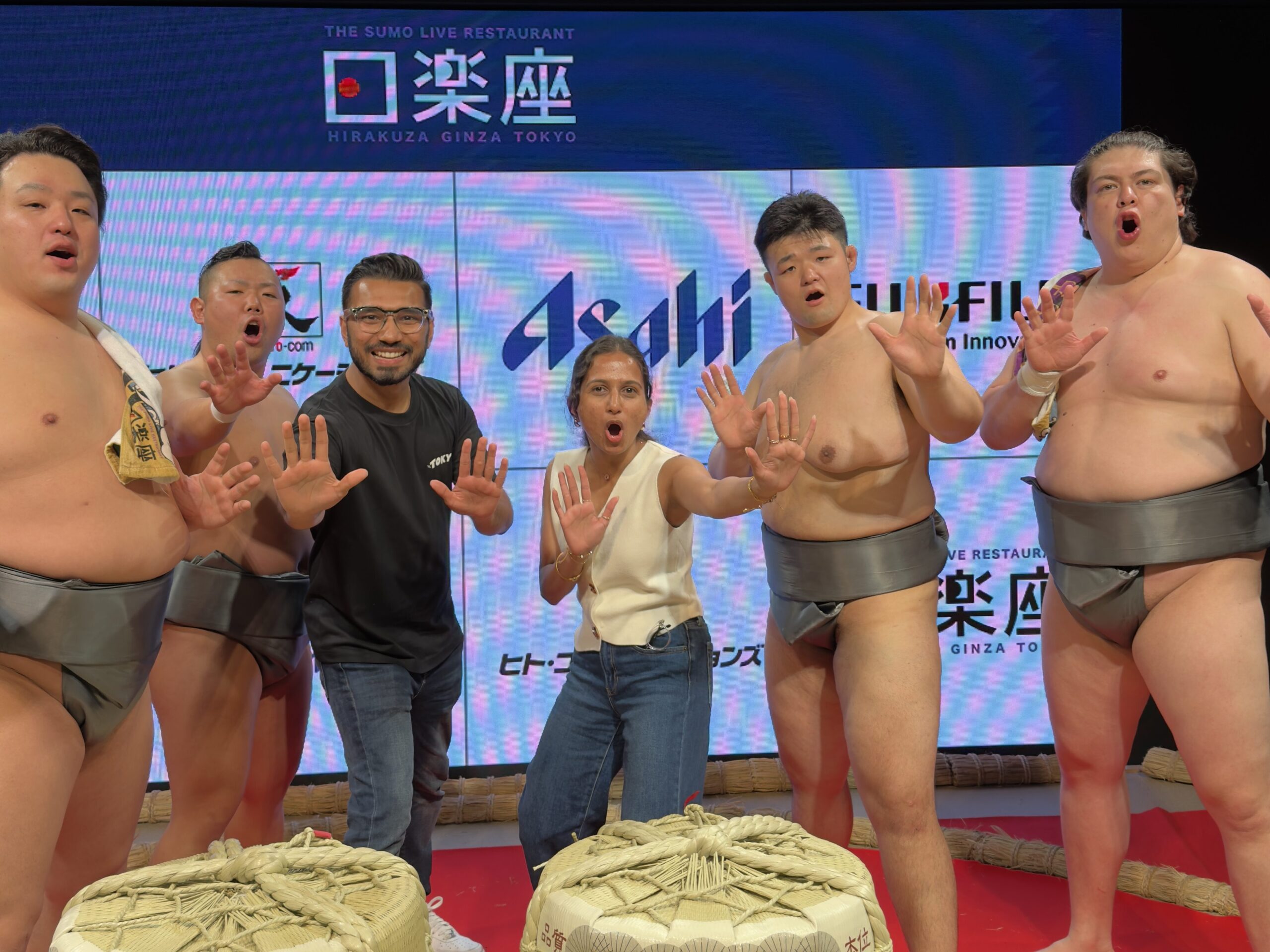
After Osaka, we returned to Tokyo for the final part of our trip. We kept this return day light on purpose, after a morning Shinkansen and a busy Osaka stretch.
Morning Shinkansen to Tokyo
We took a morning Shinkansen from Osaka to Tokyo, aiming to reach Tokyo by around 10 AM. We forwarded our large luggage ahead again, so we traveled light for this journey, just as we had done from Tokyo to Mount Fuji.
Back in Tokyo, we stayed at our Shinjuku Airbnb, which felt familiar after our first few nights in the city.
Uniqlo Flagship Store Shopping
In the afternoon, we went to the Uniqlo flagship store in Ginza for shopping. It was a light afternoon, which worked well after the morning Shinkansen, and Ginza was convenient for the sumo show later in the evening.
Sumo Show in Ginza
In the late afternoon, we left around 4 PM for a sumo show in Ginza.
The sumo show started at 5:00 PM in Ginza and lasted for a memorable evening experience. It was completely different from anything else we had done in Japan, and we would recommend it if you want a cultural experience that is not just another temple or viewpoint.
Dinner in Ginza: Ain Soph Ginza
For dinner, Ain Soph Ginza is a good option in the area, especially if you are looking for vegetarian-friendly dining in Ginza after the sumo show.
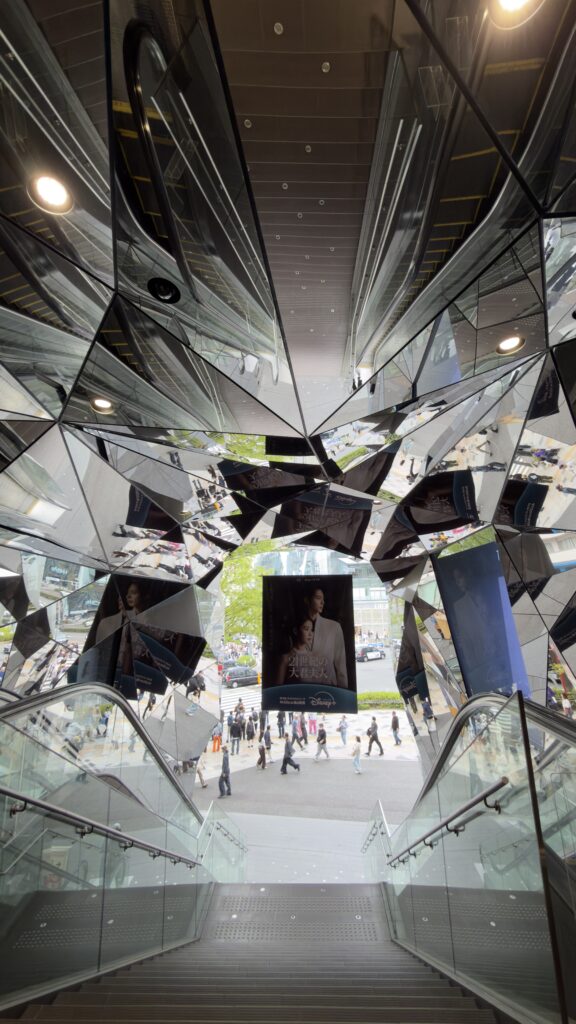
💡 Travel Tip: Keep your return day light. Arriving in Tokyo, checking in, and an evening show is plenty after a morning Shinkansen, we kept the afternoon to Uniqlo flagship shopping in Ginza, close to the sumo venue.
Day 12 – Tokyo: Ueno Park, Akihabara, Ginza & teamLab Planets
Cherry blossoms, anime, Ginza, then walking through water at teamLab, only Tokyo packs a day like this.
At a glance: Stops: Ueno Park; Akihabara; Tokyo Station and Ginza; Hamarikyu Gardens (optional); teamLab Planets | Stay: Shiba Park Hotel | Transport: Train Ueno–Akihabara–Ginza–Toyosu | Food: No specific restaurant named this day, Akihabara and Ginza food halls offer both vegetarian and non-veg options; teamLab area restaurants are an easy post-show dinner
Our next day in Tokyo mixed cherry blossoms, pop culture, shopping and one of the most unique attractions in the city.
Morning: Ueno Park
We started around 8:30–9:00 AM at Ueno Park.
During cherry blossom season, Ueno Park is one of the top destinations in Tokyo. The paths lined with cherry trees are beautiful, and going early helps you enjoy them before the park fills up.
Late Morning: Akihabara
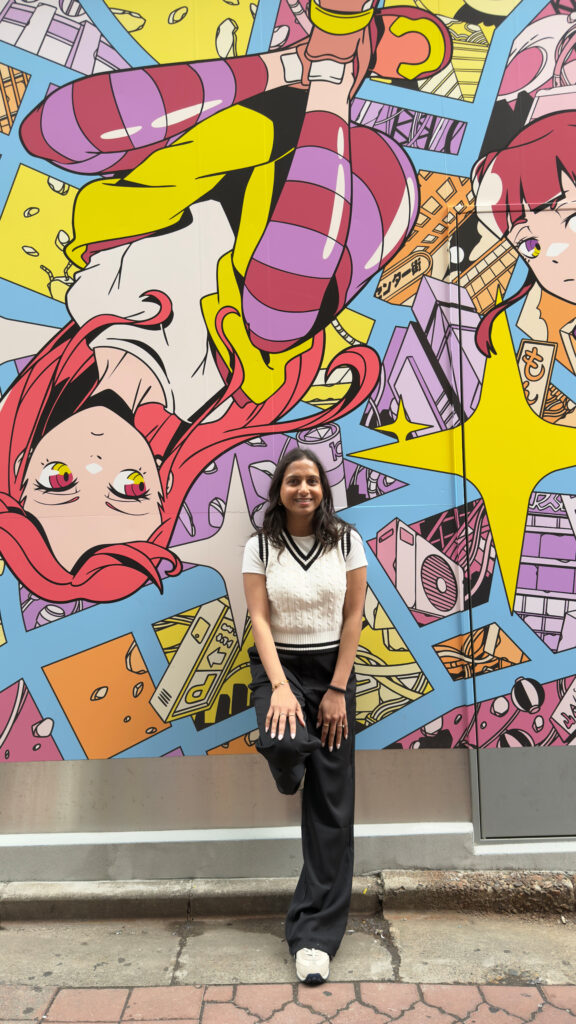
From Ueno, we spent around 10 AM–1 PM in Akihabara, Tokyo’s anime and tech district.
Stops here include:
• Kanda Myojin Shrine
• Akihabara Radio Kaikan
• Animate Akihabara
• Mandarake Complex
• Gachapon Kaikan
• Yodobashi Camera Multimedia Akiba
Akihabara is known for eccentric maid cafes, cat cafes, electronics, comic books and floors and floors of arcade games. Even if you are not into anime, it is worth walking through just to see how different this part of Tokyo feels.
Afternoon: Tokyo Station & Ginza
In the afternoon, around 2–4 PM, we headed to Tokyo Station and Ginza.
Tokyo Station itself is worth seeing for its architecture and underground souvenir streets. From there, walk or take the train to Ginza for shopping and window-shopping.
If time permits, Hamarikyu Gardens is very close to the teamLab area and is good during cherry blossom season, with a tea house and skyline views.
Evening: teamLab Planets TOKYO
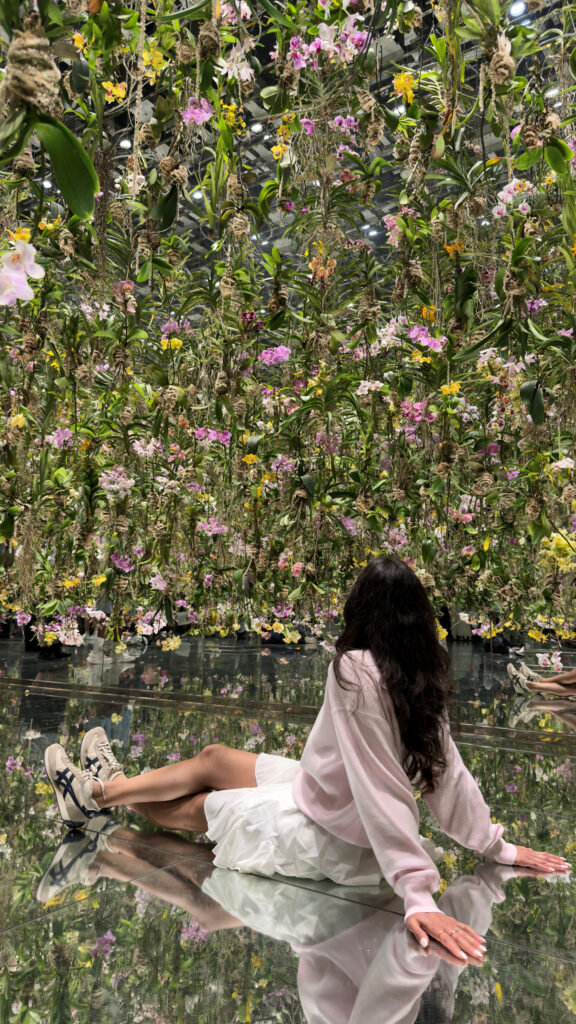
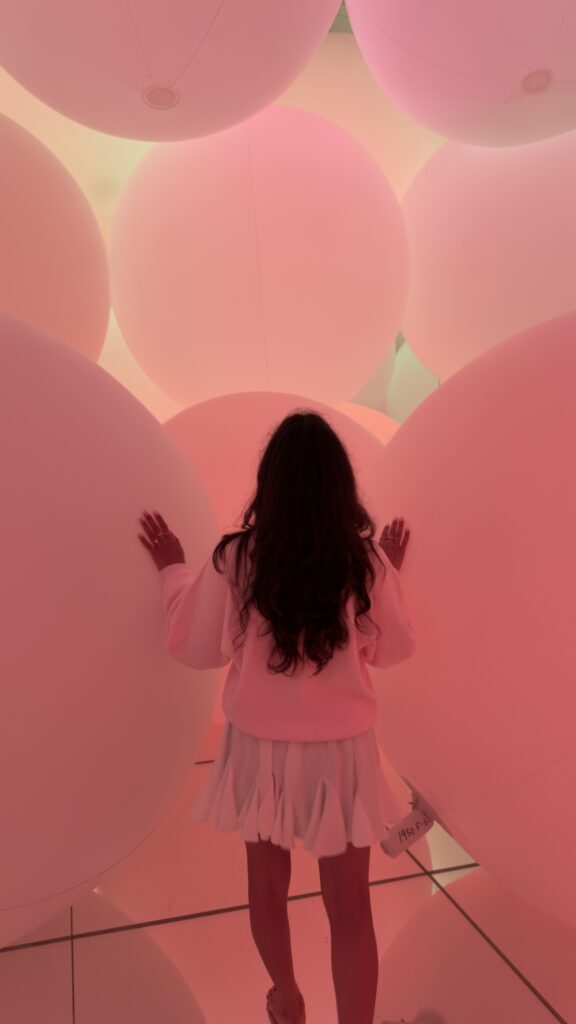
At 6:30 PM, we visited teamLab Planets TOKYO in Toyosu.
teamLab Planets is an immersive digital art experience where you walk through water, light and interactive installations. It is completely different from a traditional museum, and it was one of the highlights of our Tokyo return.

💡 Travel Tip: Book teamLab tickets in advance. Time slots can sell out, especially in the evening, and you do not want to arrive and find your preferred time gone.
Dinner after teamLab is flexible, since the area has restaurants and you will likely want something easy after walking through the installations.
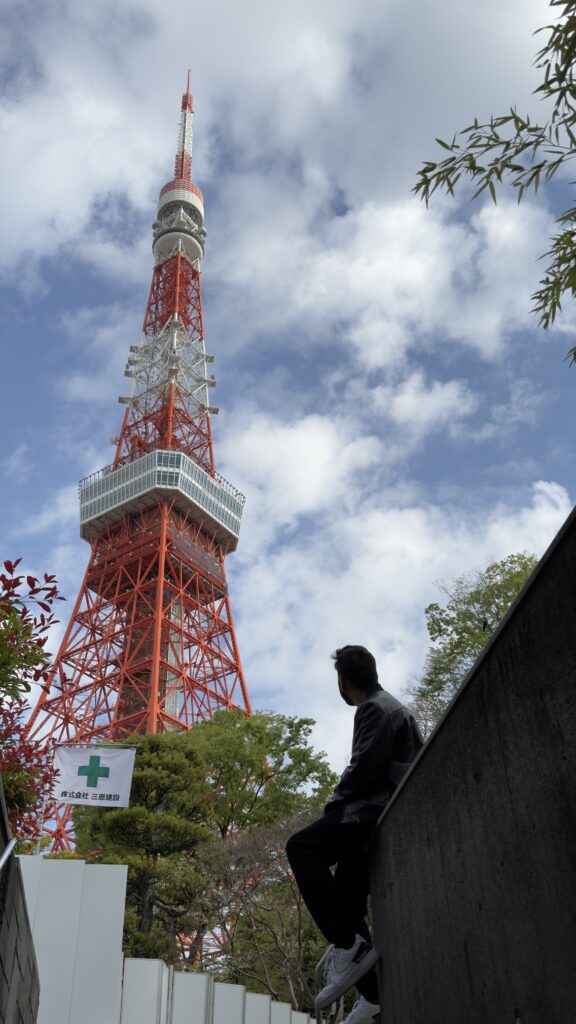
For the rest of our Tokyo days, we stayed at Shiba Park Hotel, close to Tokyo Tower.
Day 13 – Tokyo: Shinjuku Gyoen, Shibuya & Street Kart Night
Gardens in the morning, Shibuya in the afternoon, street kart at sunset.
At a glance: Stops: Shinjuku Gyoen; Shibuya Crossing, Hachiko, Pokemon Center, Nintendo Tokyo; street kart at sunset; Kabukicho night photos | Stay: Shiba Park Hotel | Transport: Train to Shinjuku and Shibuya; walking at night | Food: A Happy Pancake (vegetarian-friendly) and 5 CROSSTIES COFFEE; non-veg option: Shibuya and Kabukicho izakayas serve meat and seafood skewers and ramen
Our second-to-last full day in Tokyo brought together gardens, Shibuya shopping and one of the most fun evenings of the trip.
Morning: Shinjuku Gyoen National Garden
We started the morning at Shinjuku Gyoen National Garden.
Shinjuku Gyoen is very popular during spring, so come early and buy your tickets online if possible. The gardens are large and peaceful, with cherry blossoms, lawns and walking paths, and they feel like a break from the city even though you are right in Shinjuku.
Afternoon: Shibuya
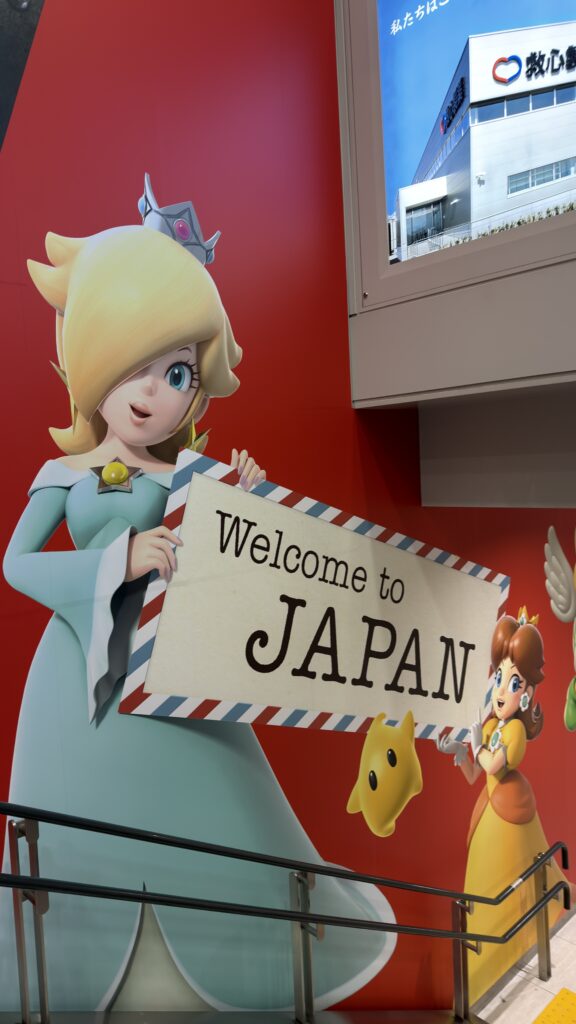
In the afternoon, we headed back to Shibuya, this time with more time to explore it properly.
Stops included:
• L’OCCITANE Cafe Shibuya Tokyo
• Shibuya Crossing
• Hachiko Statue
• Pokemon Center Shibuya
• Nintendo Tokyo
• Jump Shop Shibuya
For food and cafes, we returned to A Happy Pancake Shibuya and 5 CROSSTIES COFFEE Shibuya, both of which we had enjoyed earlier in the trip.
Street Kart in Shibuya
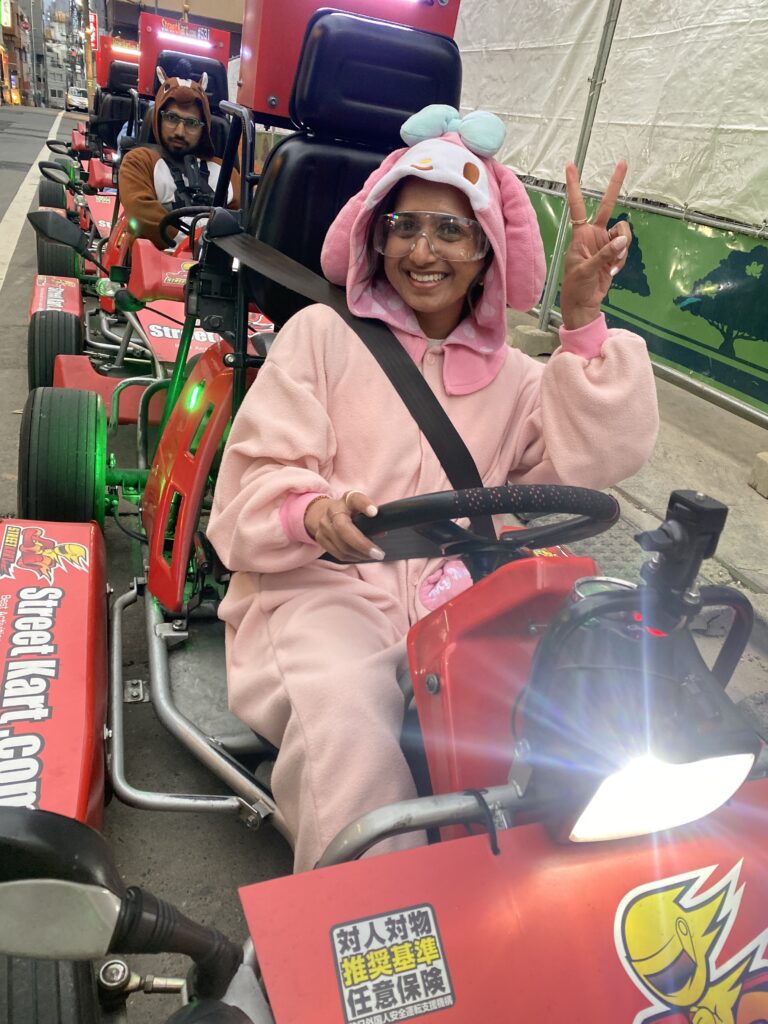
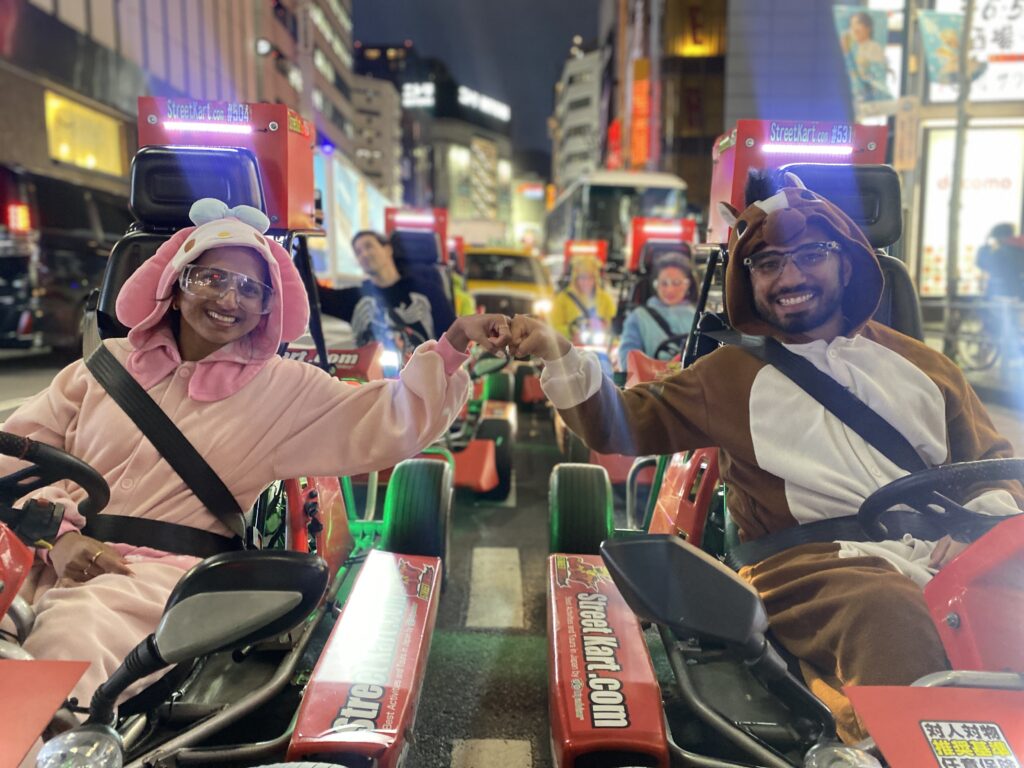
In the evening, we headed to street kart in Shibuya at sunset time, arriving around 5:30 PM for a 6:00–7:00 PM session.
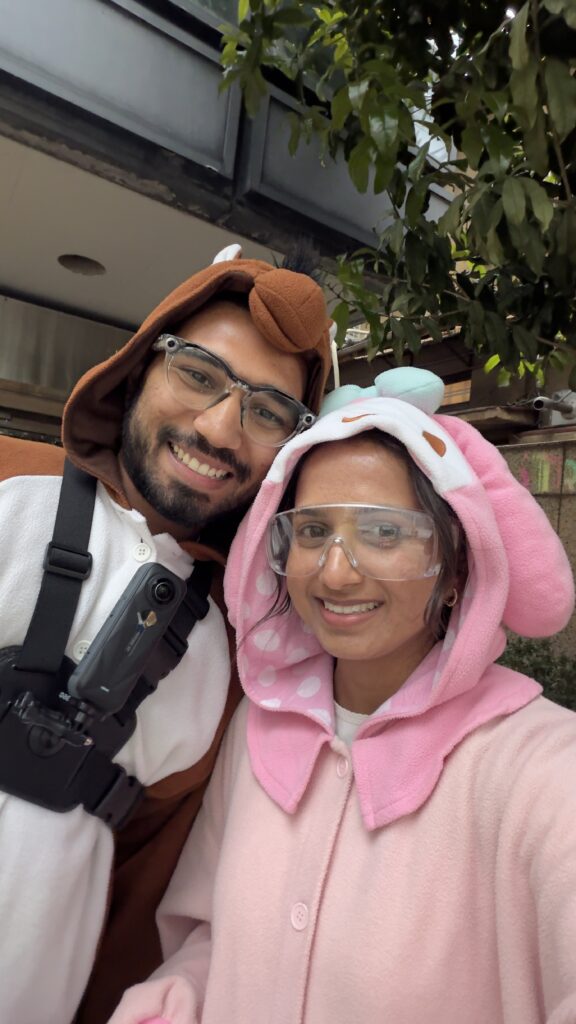
Driving a go-kart through the streets of Shibuya in costume is a surreal, unforgettable Tokyo experience. It is touristy, but in the best way, and it gave us some of our favorite photos and videos from the trip.
💡 Travel Tip: Book street kart in advance and check the driving requirements before your trip. You will need the correct driving documents, and time slots can fill up.
Night Photos in Kabukicho & Shinjuku
After go-karting, we headed out for night photos in Kabukicho and Shinjuku.
Stops included:
• Godzilla Head
• Omoide Yokocho
• Golden Gai
• The famous 3D cat billboard
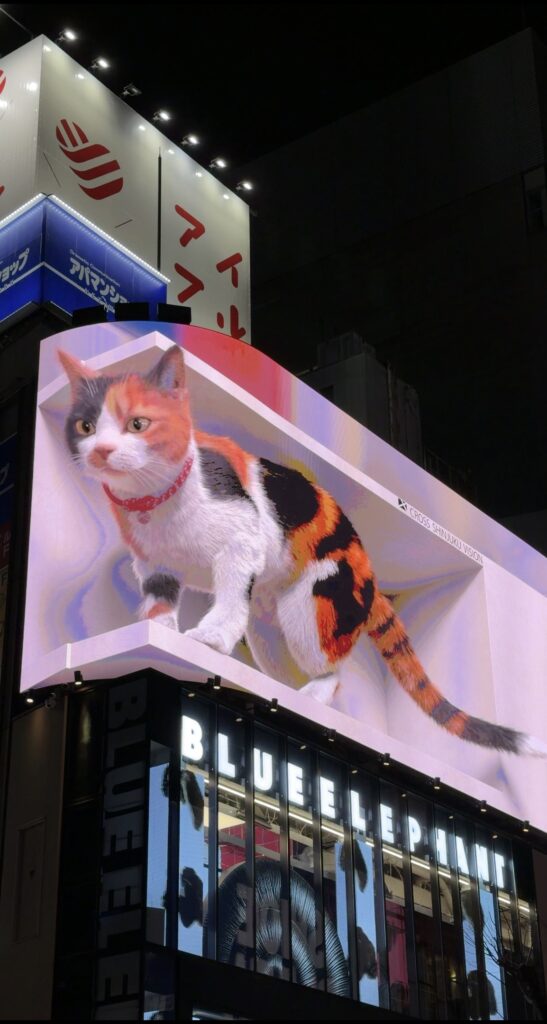
We also stopped at the 7-Eleven with a view of Tokyo Tower near our hotel, which is a great spot to capture a nighttime reel of Tokyo Tower. It is a small, easy stop that makes for a perfect end to a busy Tokyo day.
Stay at Shiba Park Hotel
For our final nights in Tokyo, we stayed at Shiba Park Hotel, close to Tokyo Tower. After the go-kart and night photos, being within walking distance of the hotel made the end of the day much easier.
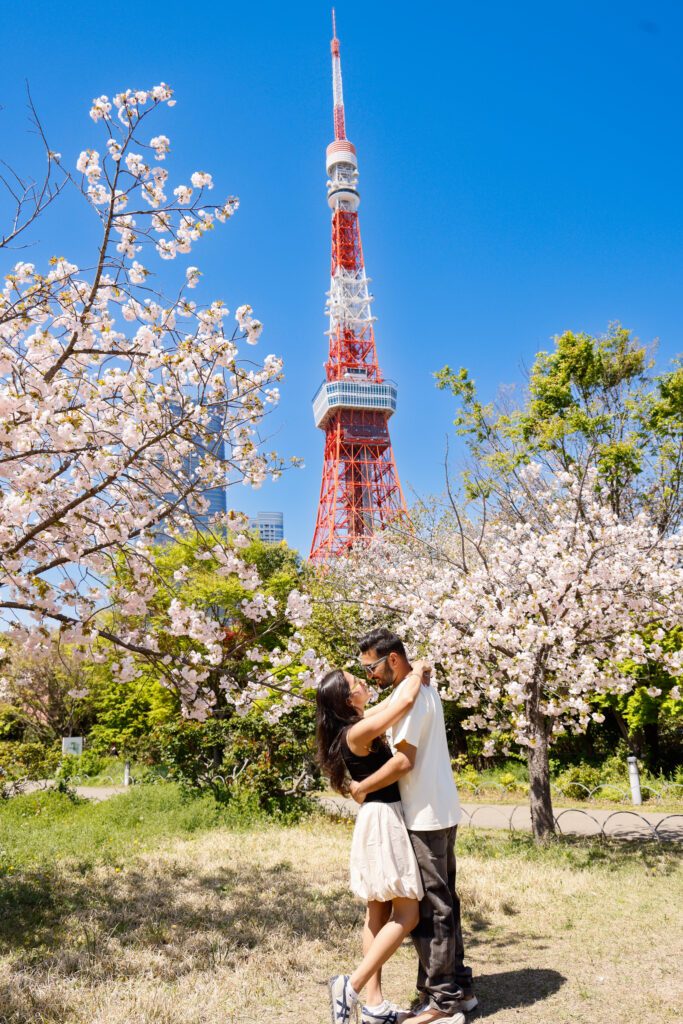
Day 14 – Last Day in Tokyo: Yoyogi, Harajuku, Omotesando & Last Shopping
Last full day, Yoyogi in the morning, Harajuku and Omotesando by lunch, last shopping in the afternoon, then Shibuya Sky at sunset.
At a glance: Stops: Yoyogi Park and Meiji Shrine; Hie Shrine; Harajuku and Takeshita Street; Omotesando; last shopping in Shibuya, Shinjuku and Ginza; Shibuya Sky at sunset | Stay: Shiba Park Hotel (last night) | Transport: Walking and train; flight home next morning | Food: Harajuku crepes, gelato and donuts (vegetarian-friendly snacks); shopping-area food halls, both vegetarian and non-veg options
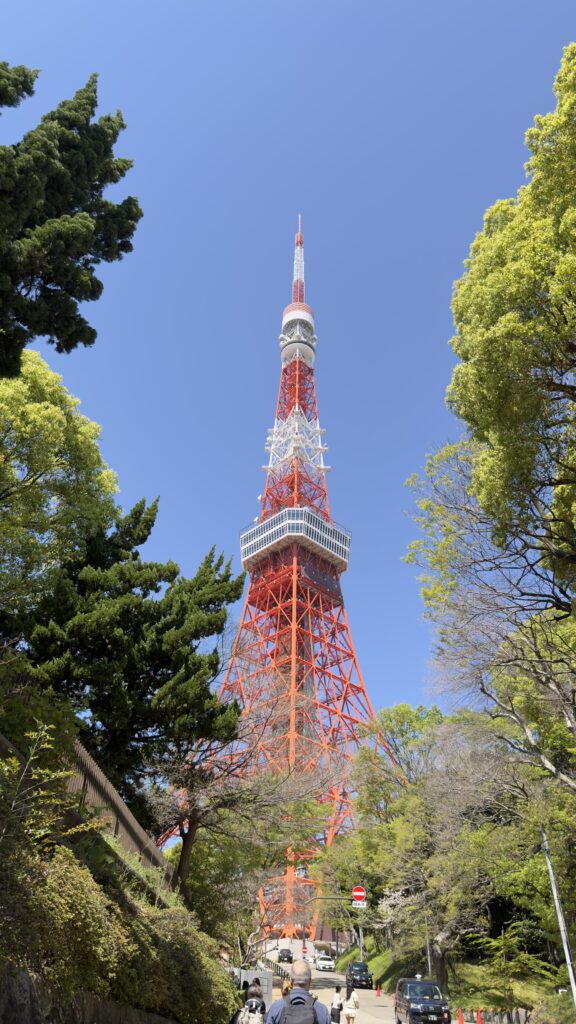
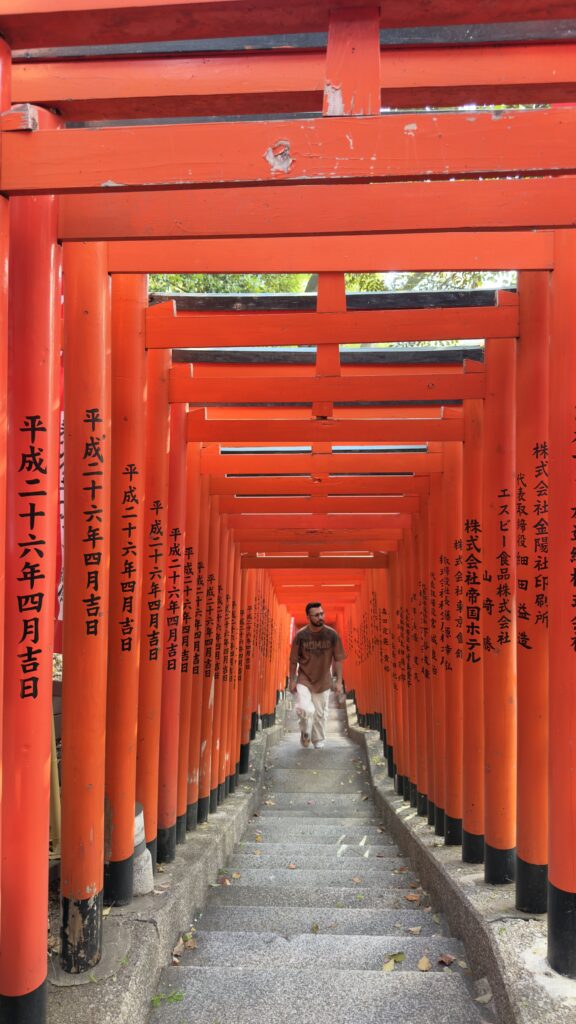
Our last full day in Tokyo was for Yoyogi, Harajuku and Omotesando in the morning, last shopping in the afternoon, and Shibuya Sky at sunset, before saying goodbye to Japan.
Yoyogi Park & Meiji Shrine
We started our last full day with Yoyogi Park in the early morning, around 7:30–8:30 AM.
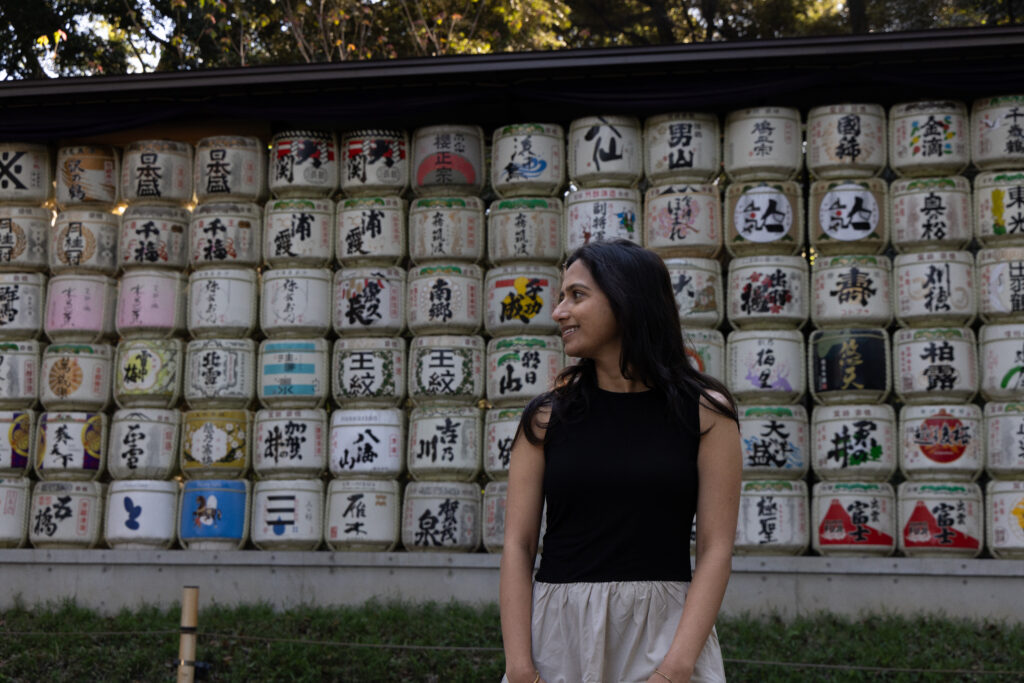
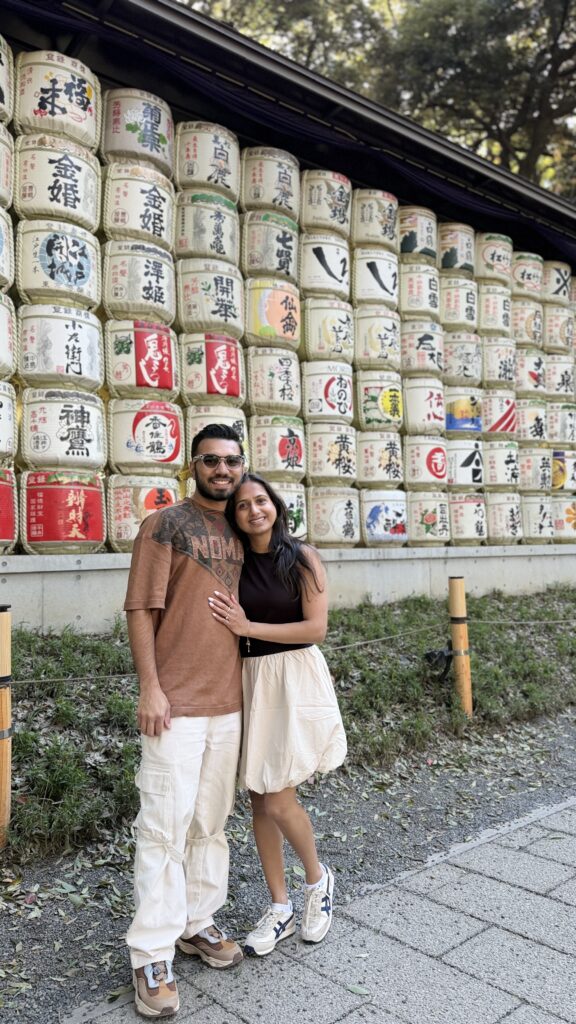
Yoyogi Park is quiet in the morning, with soft golden light and a peaceful start to the day. Walking through the park, you will go through Meiji Jingu, a beautiful Shinto shrine where you can buy an amulet and other traditional souvenirs.
Hie Shrine
We also stopped at Hie Shrine, known for its small torii tunnel and stairs. It is a great cultural contrast to the busy shopping streets that came later in the day, and it is much quieter than the main shrines in Asakusa and Kyoto.
Harajuku & Takeshita Street
From Yoyogi Park, Harajuku is walkable, and we spent around 9:30–11:30 AM exploring Takeshita Street.
Takeshita Street is a bustling shopping alley filled with trendy shops and street food, and you can easily spend two to three hours here. Stop by Laforet Harajuku for fashion and youth culture.
Harajuku foods to try include Japanese crepes, animal-shaped gelato from Eiswelt Gelato and I’m Donut. These are fun, photogenic stops, and they make Harajuku feel very different from the historic neighborhoods we had visited earlier.
Omotesando
From Harajuku, we continued to Omotesando, around 11:30 AM–1:30 PM.
Omotesando is known for its architectural buildings, chic cafes and clean, aesthetic streets. It is a complete change of pace from Takeshita Street, just a short walk away.
Stops here include Tokyu Plaza Omotesando Harajuku for a quick photo op, the MoMA Design Store Omotesando and, if time permits, the Nezu Museum in Aoyama.
Shopping Day in Tokyo
In the afternoon, we spent time finding places to shop in Japan and picking up last gifts and souvenirs.
Useful shopping areas and stores from our trip include:
• Shibuya: Loft, Don Quijote, Uniqlo and GU
• Harajuku: Laforet and Takeshita Street shops
• Shinjuku: department stores and underground shopping areas
• Ginza: flagship stores, including Uniqlo Ginza
• Asakusa / Kappabashi: for kitchenware, knives and ceramics, if you missed anything earlier
If you are shopping tax-free, remember to carry your original passport with you, as many stores require the physical passport to process the purchase.
Shibuya Sky at Sunset
In the evening, we went to Shibuya Sky for a sunset view, which we had booked in advance. We arrived in the daytime and stayed through sunset into the night, so we could cover daytime, sunset and night views all in one visit. Sunset times especially can sell out quickly, so book as early as possible.
After Shibuya Sky, we headed back to Shiba Park Hotel for our last night in Tokyo, packed our bags and prepared for our flight home the next morning.
Day 15 – Heading Home
Last morning, packing, then Narita for the flight home.
At a glance: Stops: Narita Airport | Stay: none | Transport: Train to Narita Airport | Food: Airport options before departure
On our last morning, we packed, checked out of Shiba Park Hotel, and headed to Narita Airport for our flight home.
Frequently Asked Questions About This 15-Day Japan Itinerary
Is 15 days enough for Japan?
Yes, for a first trip focused on Tokyo, Mount Fuji, Kyoto, Osaka and Nara. Fifteen days gives you time for the main sights without rushing every day, and it leaves room for a slower day in Kyoto and a day trip to Nara. If you want Hiroshima, Hokkaido or Okinawa too, you will need a longer trip or a different route.
Do I need a JR Pass for this itinerary?
Not necessarily. On this route we used individual Shinkansen tickets and a Suica card for local trains, including the special rapid train between Kyoto and Osaka. Check current JR Pass prices against your actual Shinkansen journeys before you buy, as prices and pass rules change.
What is the best time for cherry blossom on this route?
Late March to early April is the classic cherry blossom window for Tokyo, Kyoto and Osaka. We travelled from March 26 to April 9, 2026, and saw blossoms in Tokyo, Kawaguchiko, Kyoto and Osaka, though exact bloom dates change every year, so check the forecast close to your trip.
Is Japan easy for vegetarians?
Yes, with a little planning. This itinerary includes vegetarian-friendly stops such as Mumokuteki Cafe & Foods and TowZen Vegan Ramen in Kyoto, Zirael in Arashiyama, Kinatei in Nara, Tofu Sorano in Osaka and Ain Soph in Ginza. For mixed groups, we have also noted non-veg options in each day summary, such as Ichiran Ramen, takoyaki in Dotonbori and kushikatsu in Shinsekai.
How do you get from Kawaguchiko to Kyoto?
Take the highway bus from Kawaguchiko Station to Mishima Station, then the Tokaido Shinkansen to Kyoto. Reserve the bus in advance in busy periods and leave a generous connection window at Mishima, as traffic around Mount Fuji can affect the bus journey.
How much walking is this itinerary?
A lot. Most days are full walking days, especially in Asakusa, Kyoto and Nara. Wear comfortable shoes, start early at the busiest sights, and use the slower evenings in this itinerary to recover. Forwarding your luggage between cities makes the walking and train days much easier.
Our 15 days in Japan flew by, from our first night in Shinjuku to cherry blossoms in Kyoto, Mount Fuji views from our glamping dome, deer in Nara, neon lights in Osaka and our final sunset over Shibuya.
If you are planning a similar trip, we hope this day-by-day itinerary helps you plan a route that feels balanced, not rushed, with time for iconic sights, good food and a few quiet moments in between.
Japan had been on our bucket list for years, and visiting during cherry blossom season made it even more special. We would absolutely go back, and we hope you love it as much as we did.
We saved every stop from this itinerary in our Ultimate Japan Map, so you can follow the same route without planning it from scratch.
Our 15-Day Japan Route: At a Glance
| Days | City | Main stops |
|---|---|---|
| Days 1–3 | Tokyo | Shinjuku, Shibuya, Asakusa, tea ceremony, kimono rental |
| Days 4–5 | Mount Fuji & Kyoto | Chureito Pagoda, Tenku no Torii, Lake Kawaguchiko, MINENOHANA, Daigo-ji cherry blossom, Fushimi Inari evening |
| Days 6–7 | Kyoto & first Osaka evening | Arashiyama, Ginkakuji, custom pillow; Kiyomizu-dera, Gion, Dotonbori, Hozenji Yokocho |
| Days 8–10 | Osaka & Nara | Nara deer park, Shinsekai, Osaka Castle |
| Days 11–15 | Tokyo & heading home | Back to Tokyo, Uniqlo shopping and sumo; Ueno, Akihabara and teamLab; Shibuya and street kart at sunset; Yoyogi, Harajuku, Omotesando, shopping and Shibuya Sky sunset; heading home |
