Valley of the Kings, Luxor: The Ultimate First-Timer’s Guide (2026)

Planning a visit to the Valley of the Kings in Luxor? This complete 2026 first-timer’s guide explains exactly how to visit including which tombs are worth paying extra for, how the ticket system really works, the best time to avoid crowds, and common mistakes to avoid.
Most visitors get the Valley of the Kings wrong. Not because they skip it, almost everyone visiting Egypt makes the trip but because they don’t realize how much the experience depends on decisions made before they arrive.
Which tombs you choose matters. When you show up matters. Whether you understand the ticket system before reaching the window matters. Get these things right and you’ll walk away genuinely moved. Get them wrong and you’ll wonder what all the fuss was about.
I made some of those mistakes on my visit. I also got a few things right, mostly by accident. This guide is my attempt to help you skip the learning curve and experience the Valley the way it deserves.
Planning your full Egypt trip? Check out my 10-Day Egypt Itinerary: Ancient Wonders & Local Treasures to see how the Valley of the Kings fits into a complete journey.
Quick Overview: What You Need to Know
Before diving into details, here’s the essential information at a glance:
Location: West Bank of Luxor, ~30 min from East Bank hotels
Entry Cost: ~$15 USD (750 EGP) for 3 standard tombs
Premium Tombs: $4-40 USD extra depending on tomb
Hours: 6:00 AM – 5:00 PM (varies by season)
Best Time: Opening time (6:00 AM) or after 2:00 PM
Time Needed: 2-4 hours depending on how many tombs
Who This Guide Is For
This guide is written for:
- First-time visitors to Egypt who want to avoid rushed tour experiences
- Independent travelers planning Luxor without a guide
- History and art lovers deciding which tombs are actually worth the extra cost
- Travelers visiting Luxor in peak season who want to avoid crowds
If you’re short on time, on a budget, or overwhelmed by conflicting advice, this guide will help you make confident choices.
What Makes the Valley of the Kings Special
Forget the pyramids for a moment. The Valley of the Kings represents a completely different approach to royal burial, one focused on secrecy rather than spectacle.
Around 1550 BC, Egyptian pharaohs stopped building obvious monuments that advertised “treasure inside” to every passing thief. Instead, they chose this hidden desert valley on Luxor’s West Bank and carved tombs deep into the limestone cliffs. No visible structures. No markers. Just concealed entrances leading to underground chambers filled with everything a king needed for eternity.
More than 60 tombs have been discovered here. The most famous belong to Tutankhamun (found nearly intact in 1922), Ramesses II, Seti I, and Ramesses III. Only about a dozen are open to visitors at any time, rotating for conservation purposes.
The Ticket System Explained Simply
Last updated: January 2026 — ticket prices, hours, and access rules verified
This is where most guides lose people. The Valley of the Kings uses a tiered system that isn’t intuitive until someone explains it clearly.
Your Base Ticket (~$15 USD)
Your general admission gets you into the Valley and lets you enter any three tombs from the standard rotation. Think of it like a punch card, each tomb entrance stamps your ticket once.
The standard rotation typically includes tombs like:
- Ramesses III (KV11)
- Ramesses IV (KV2)
- Ramesses IX (KV6)
- Merenptah (KV8)
- Thutmose IV (KV43)
- Several others depending on conservation schedules
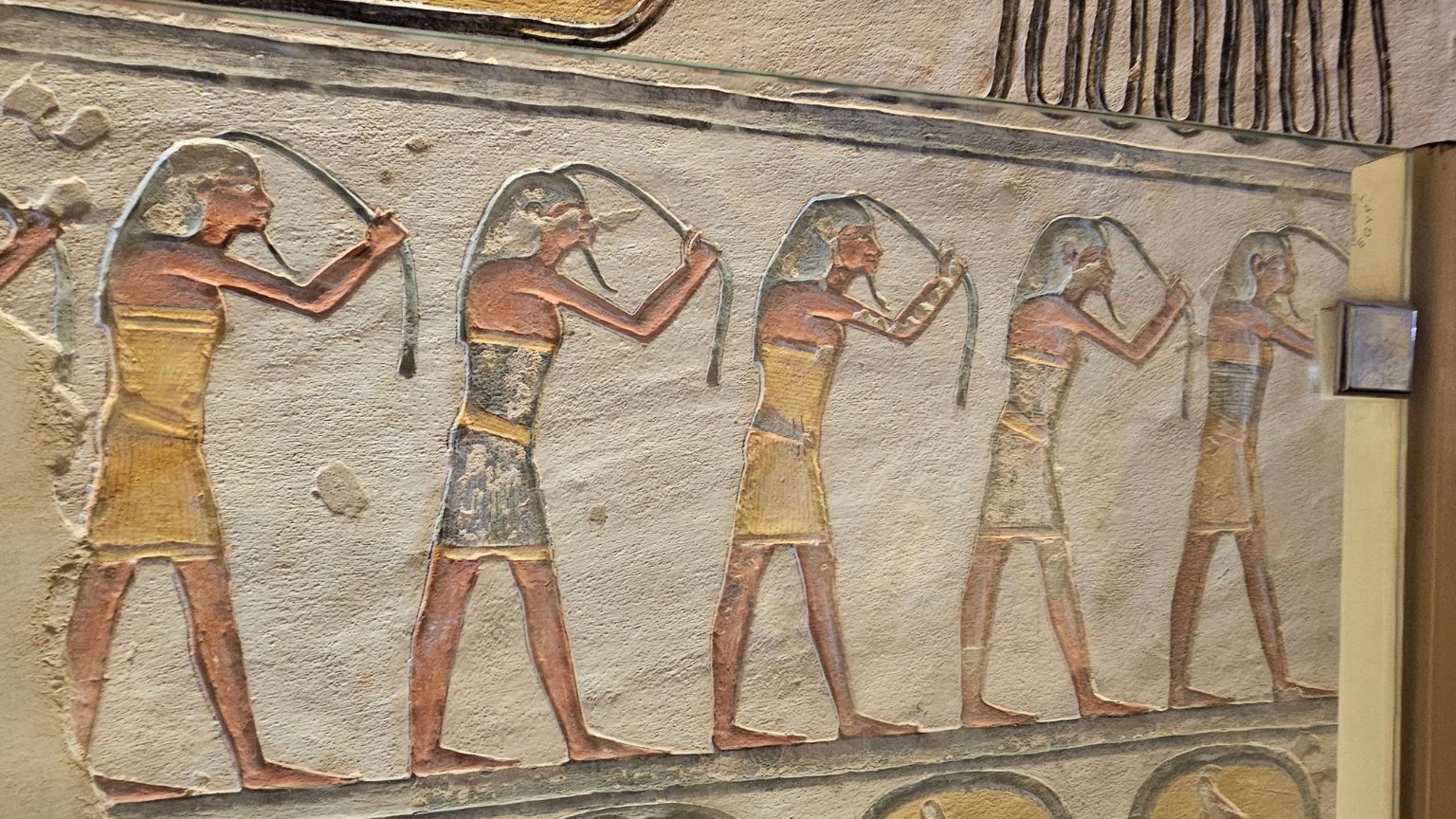
These are legitimate pharaonic tombs with genuine artwork. They’re not the “lesser” tombs, they’re simply the ones included in general admission.
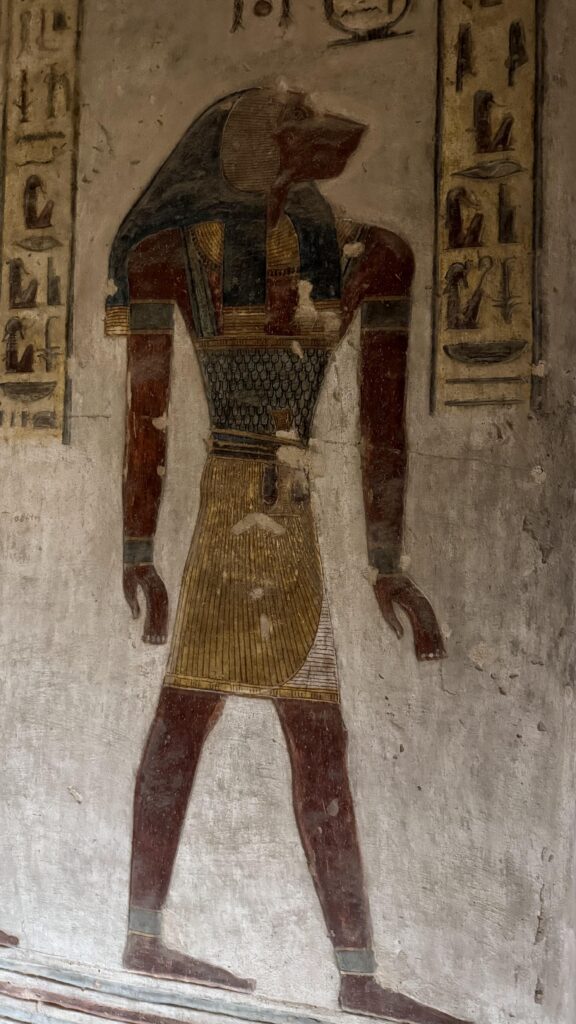
Premium Tombs (Separate Tickets)
Certain tombs are ticketed separately. You’ll need to buy these in addition to your base ticket, you can’t swap them for your included three.
- Ramesses V & VI (KV9):
- Tutankhamun (KV62)
- Seti I (KV17)
- Ay (WV23)
The Luxor Pass Alternative
- Premium Pass ($250): Everything including Seti I and Nefertari
- Standard Pass ($130): All Luxor sites for 5 days, excluding Seti I and Nefertari tombs
For a single West Bank morning, individual tickets are usually cheaper. The pass makes sense for thorough multi-day exploration.
Student Discounts
Valid International Student Identity Card (ISIC) holders under 30 get 50% off most tickets. You need the physical card, photos won’t work.
I visited the Valley of the Kings independently, without a tour group, and spent several hours moving at my own pace, comparing standard tombs with premium ones and watching how crowd patterns changed through the morning. The difference between arriving early and mid-morning, and between standard vs paid tombs, completely changed the experience.
How to Choose Your Three Standard Tombs
This decision stumps most first-timers. You’re standing at the entrance with a list of unfamiliar names, trying to pick three from eight or nine options. Here’s a framework that actually helps.
If You Want the Most Impressive Artwork
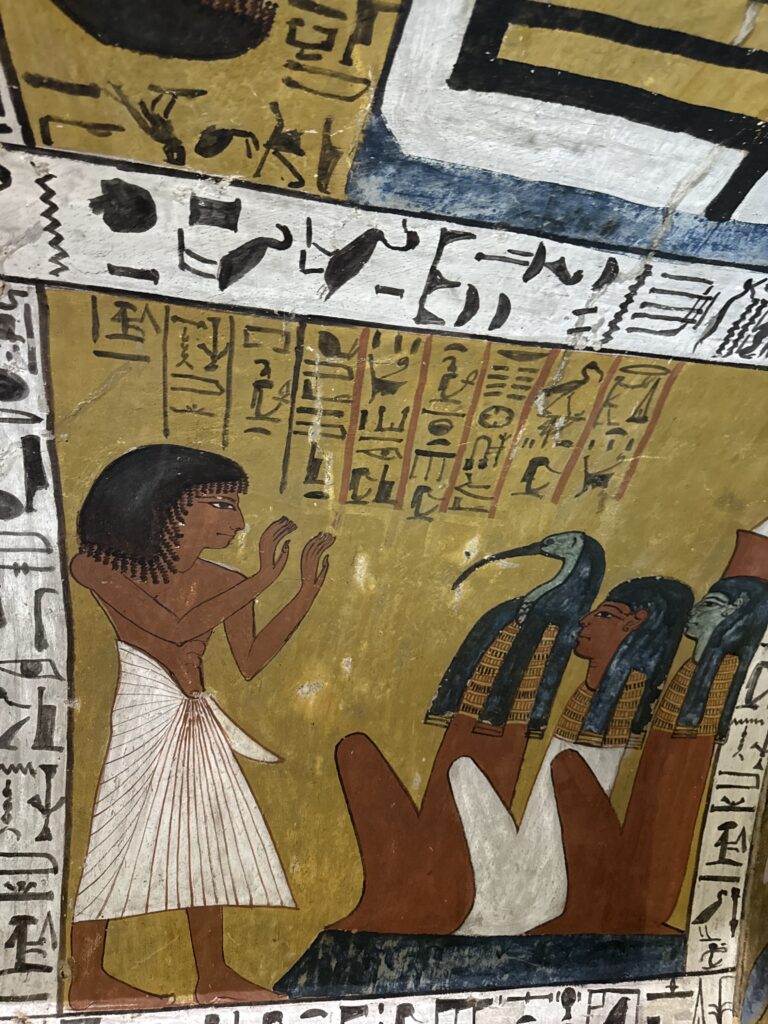
Pick KV11 (Ramesses III), It’s one of the longest tombs with the most variety. Multiple chambers, diverse scenes, strong color preservation in the deeper sections.
If You’re Interested in Astronomical Imagery
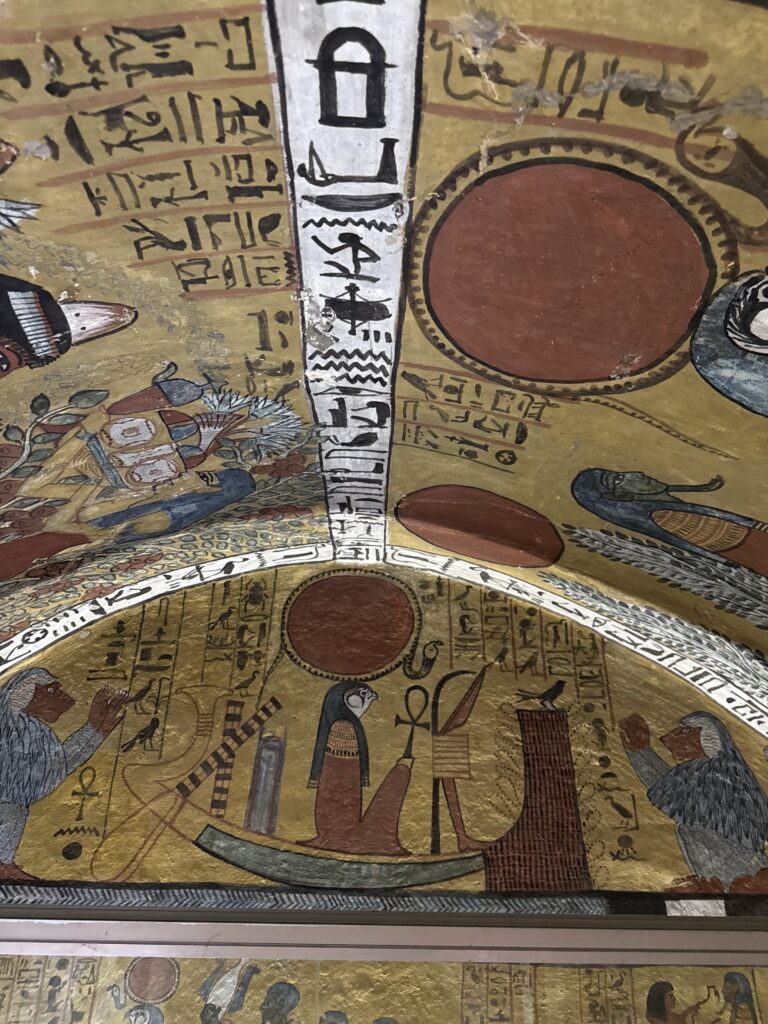
Pick KV6 (Ramesses IX), The ceiling work here depicts the sun’s nightly journey through the underworld. Smaller tomb but visually striking overhead.
If You Want a Classic Introduction
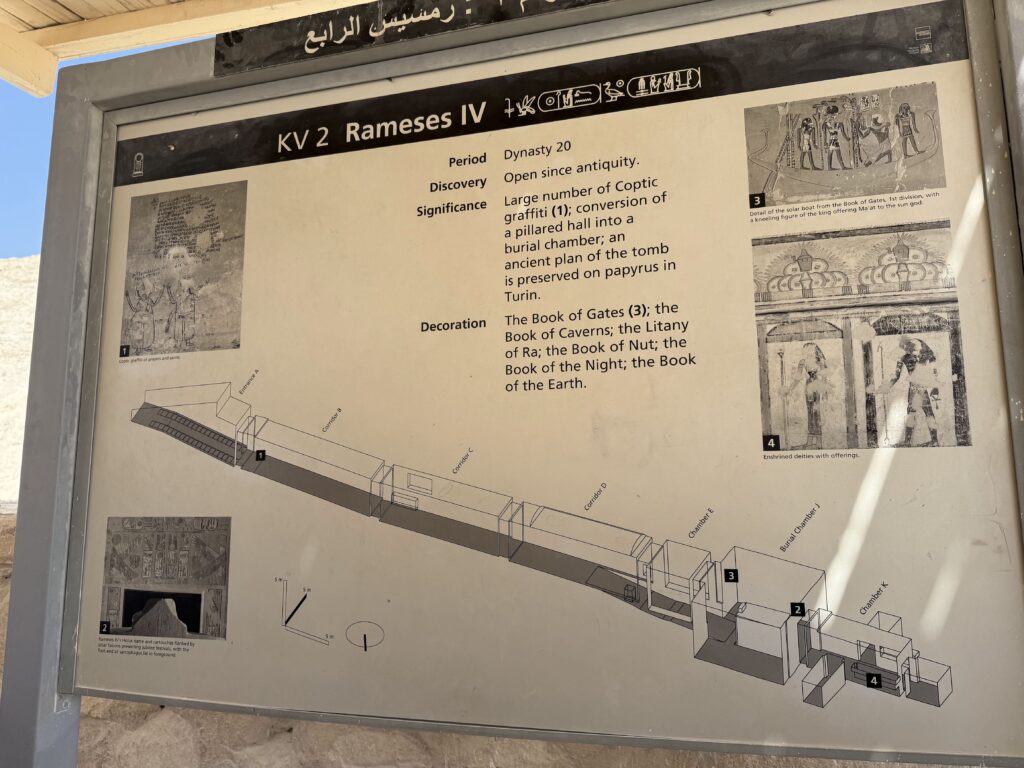
Pick KV2 (Ramesses IV), Wide corridors, clear artwork, massive sarcophagus still in place. Nothing revolutionary but solidly impressive and easy to appreciate.
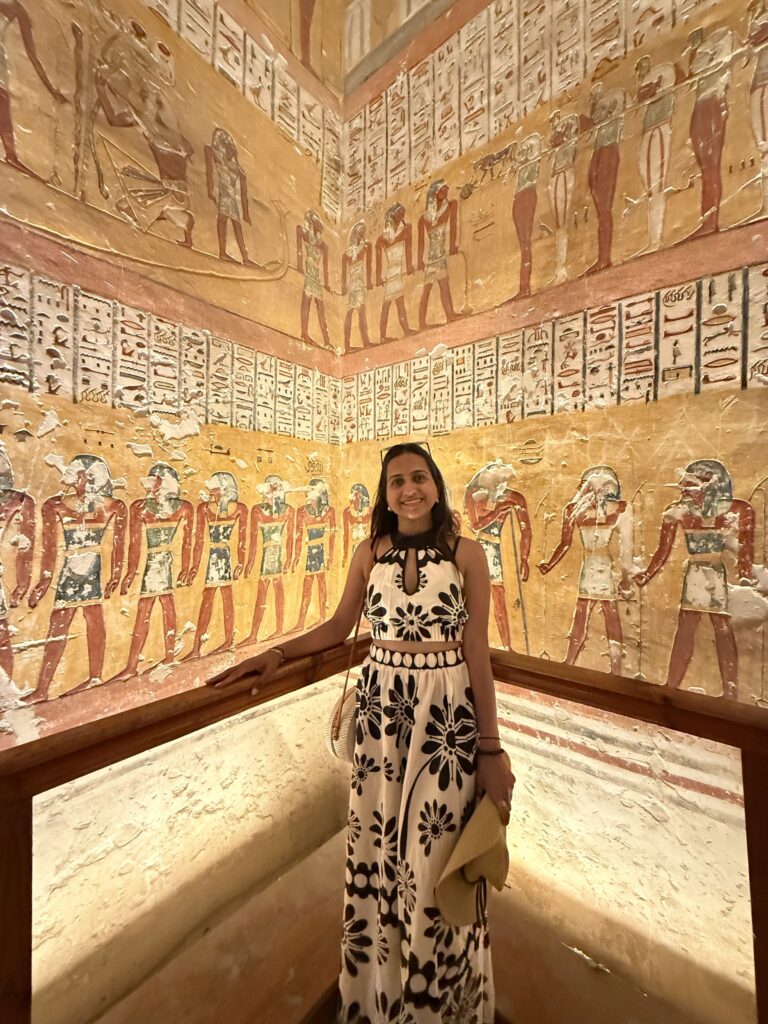
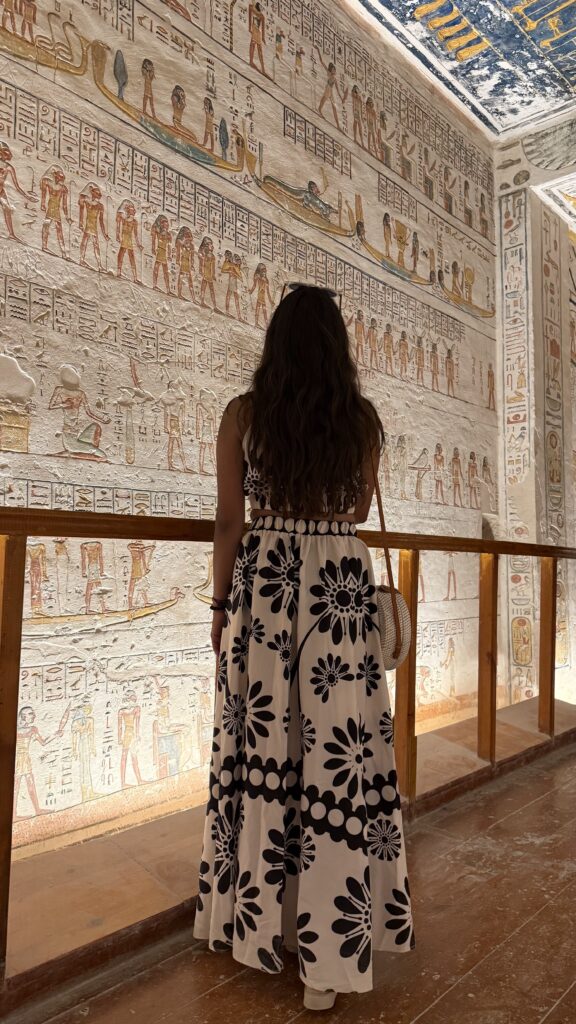
If You Want Fewer Crowds
Pick KV43 (Thutmose IV), Located farther from the main path, so fewer visitors bother walking there. Older artistic style that predates the Ramesses tombs.
My Suggested Combination
If I had to pick three standard tombs today: KV11, KV6, and KV2. This gives you length and variety (KV11), astronomical art (KV6), and a well-preserved classic (KV2).
But honestly? Your three standard tombs matter less than whether you visit KV9.
The Premium Tombs: Honest Assessment
Let me be direct about each premium option so you can decide where to spend your money.
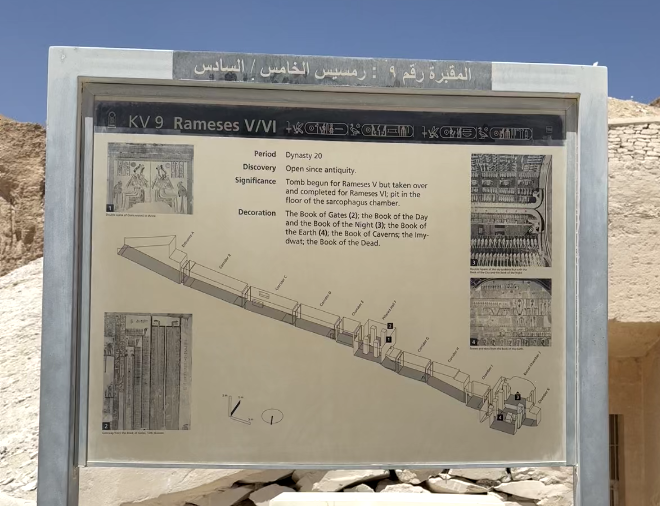
KV9 — Ramesses V & VI
Cost: ~$5 USD | My Take: Don’t skip this.
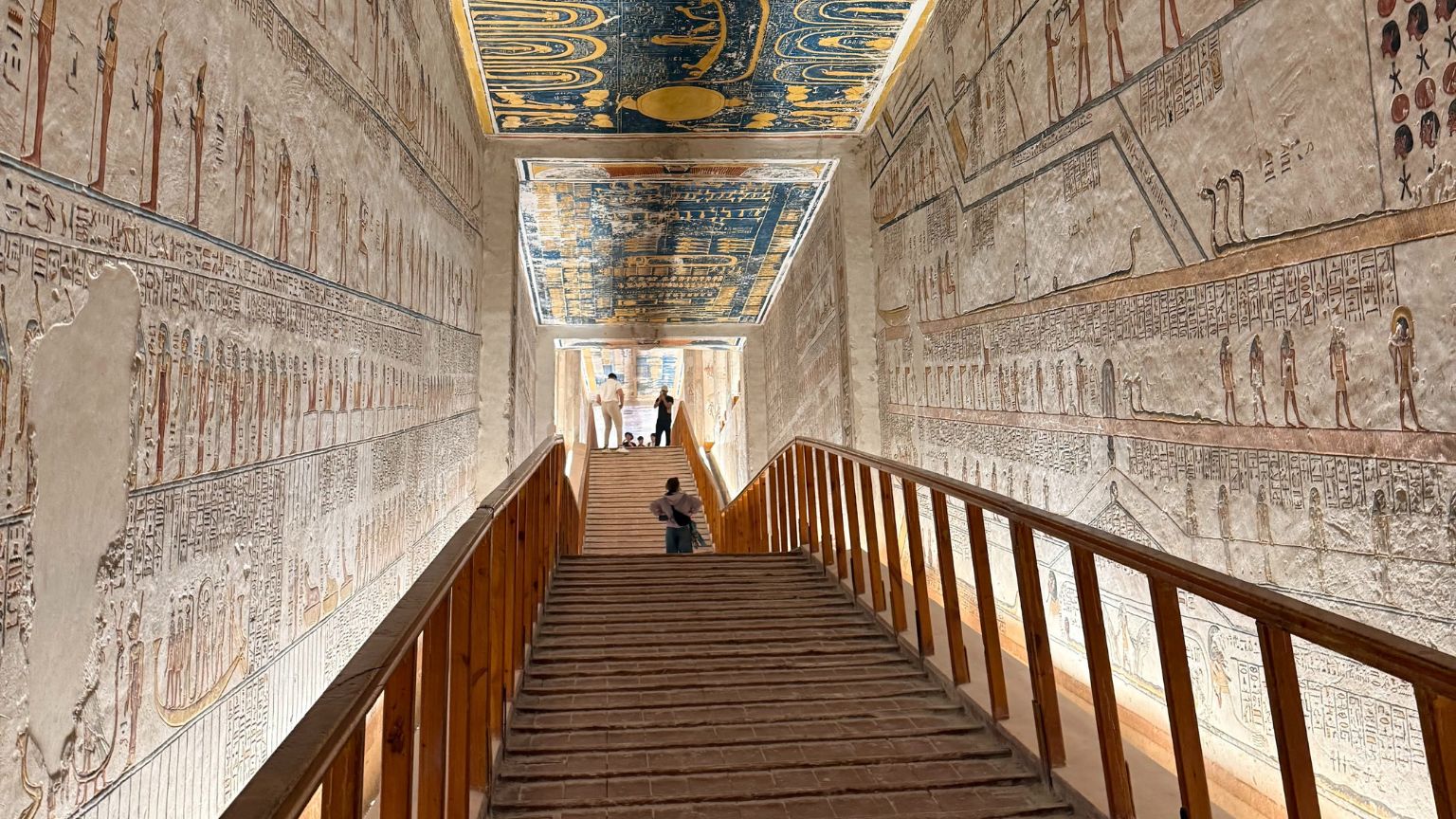
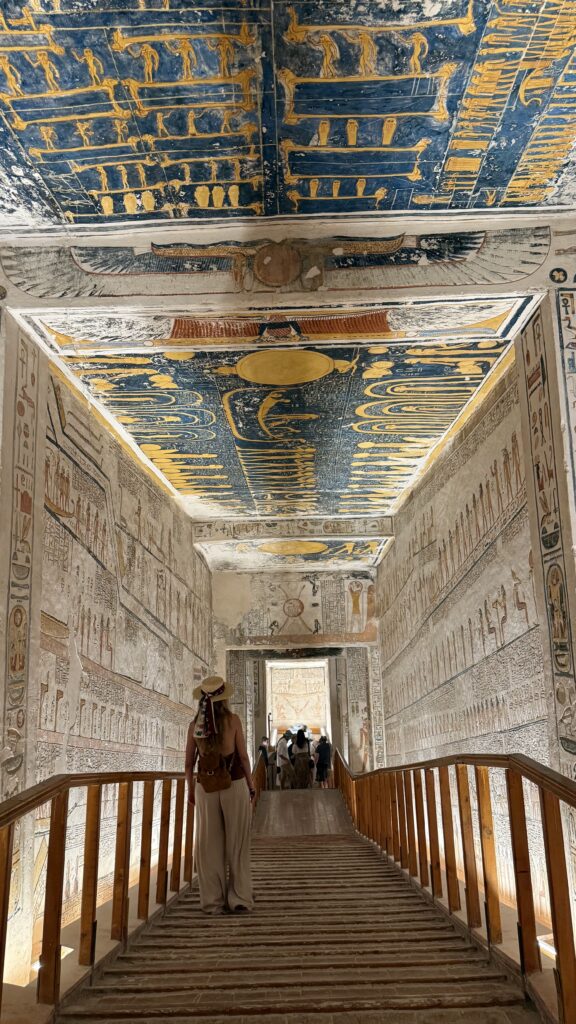
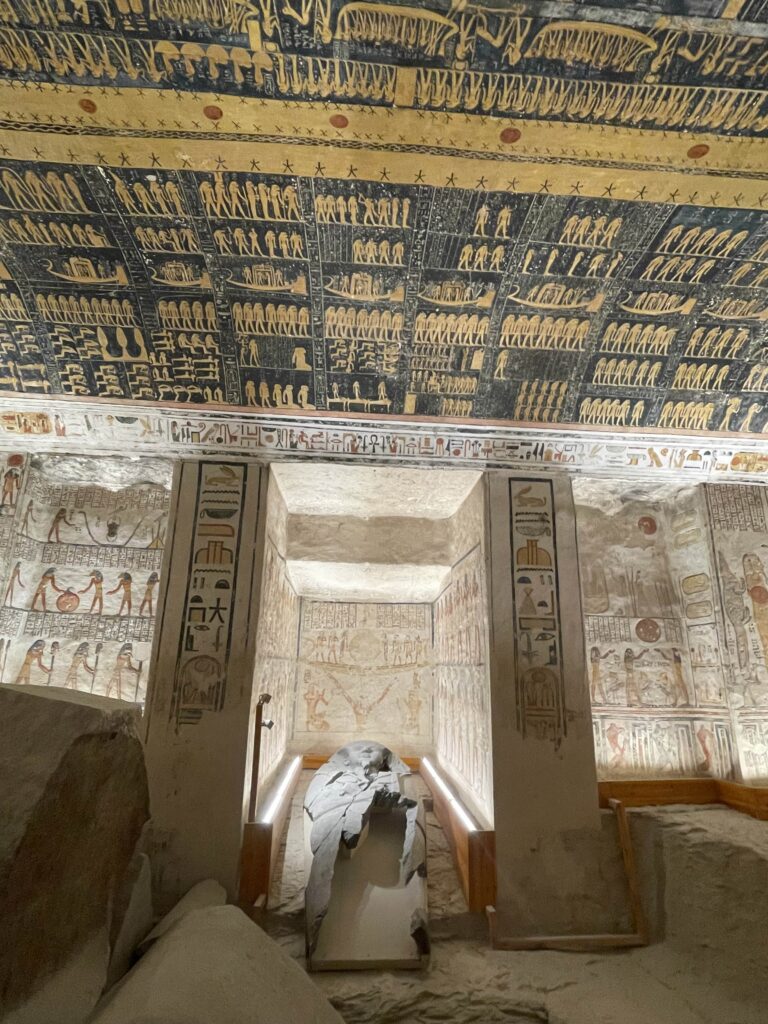
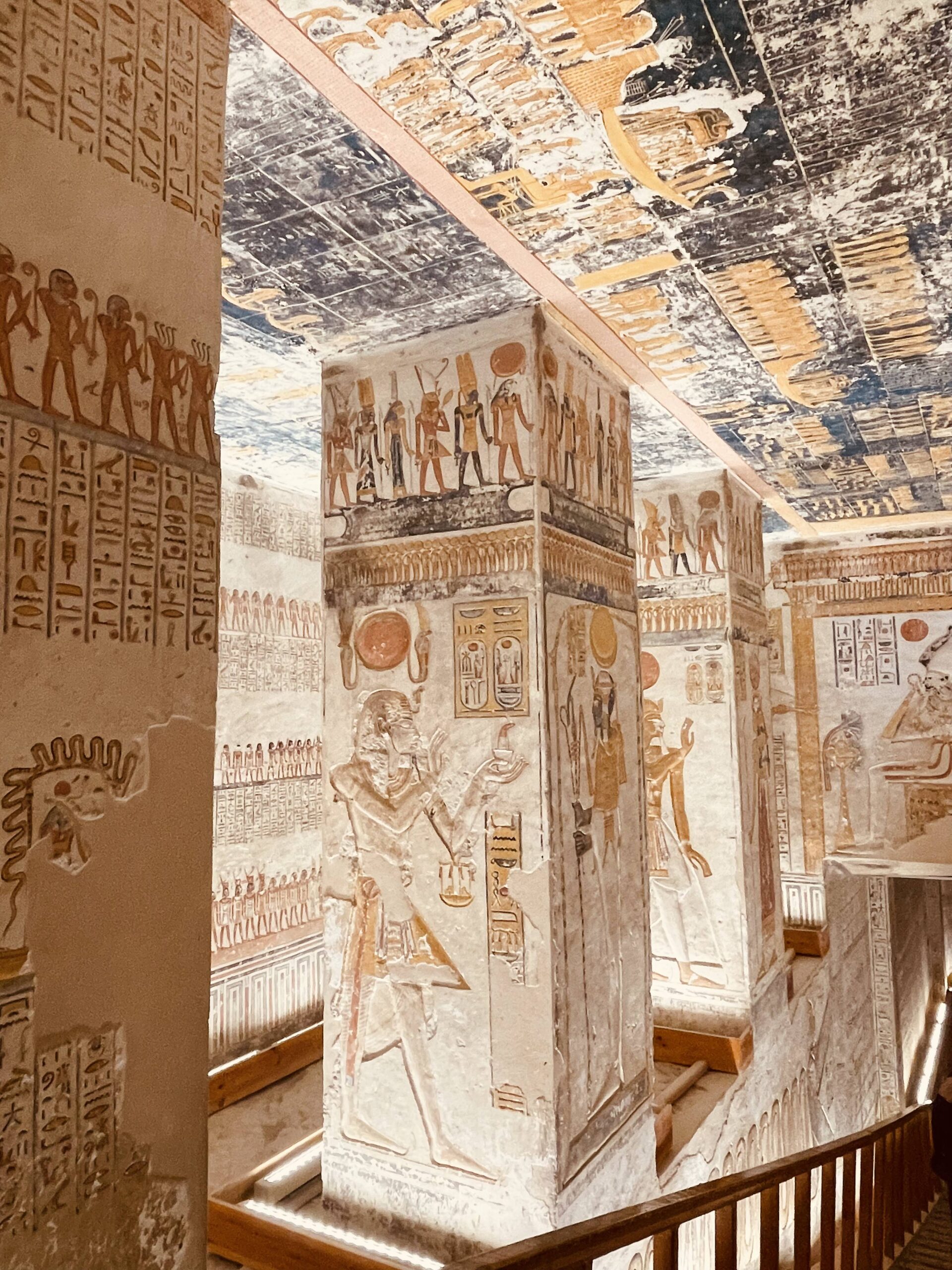
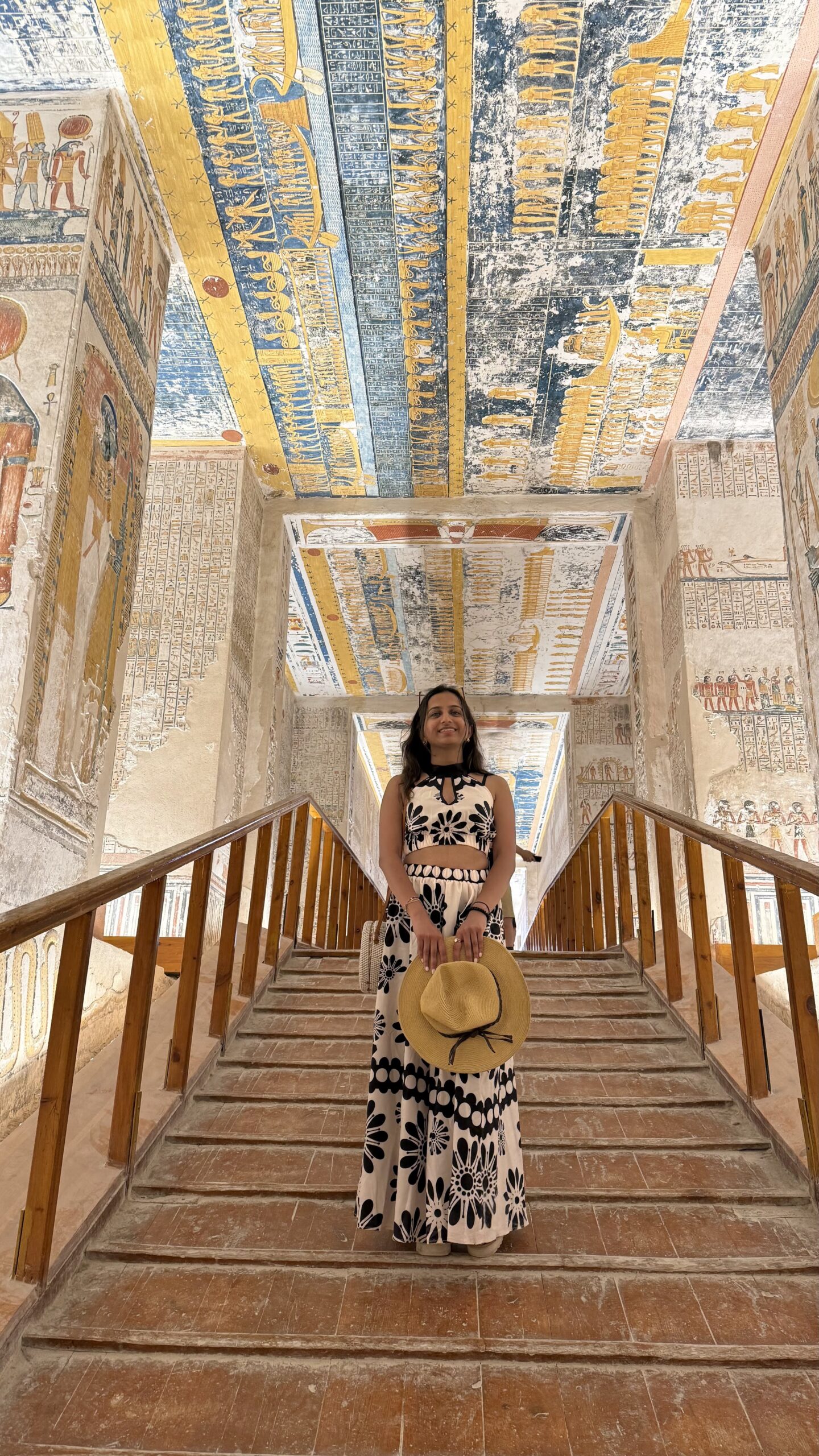
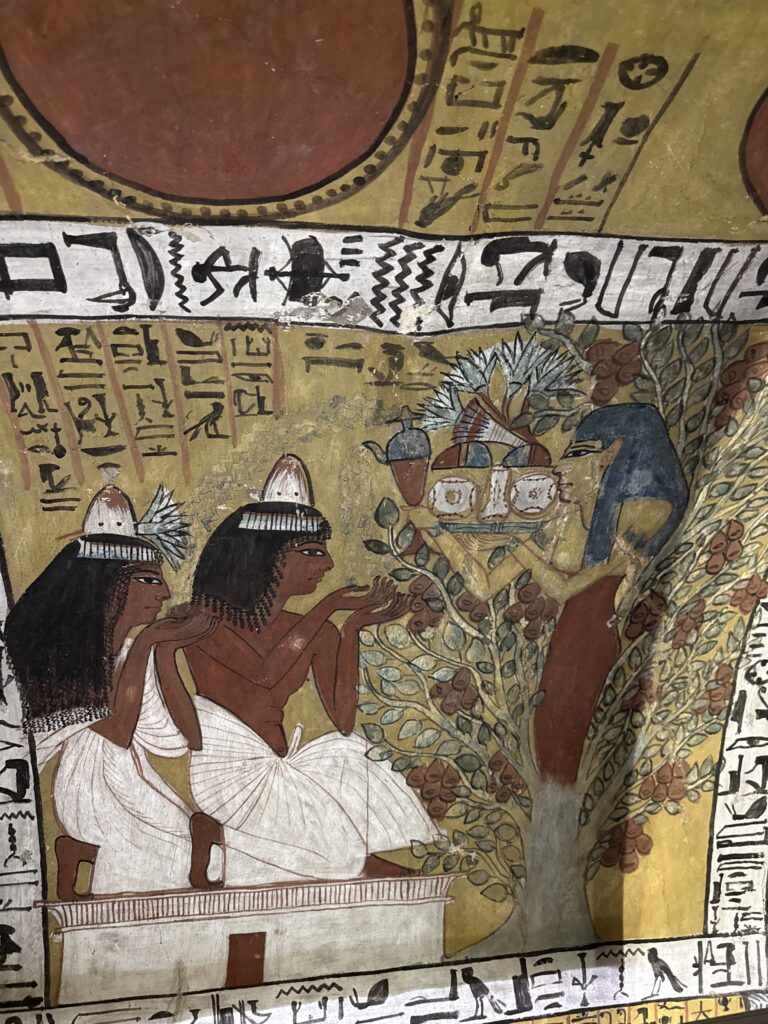
This tomb delivers an experience the standard tombs simply can’t match. The scale is different, taller ceilings, wider passages, a sense of descending into something significant. Every surface is decorated, but it never feels cluttered. The artwork builds as you go deeper.
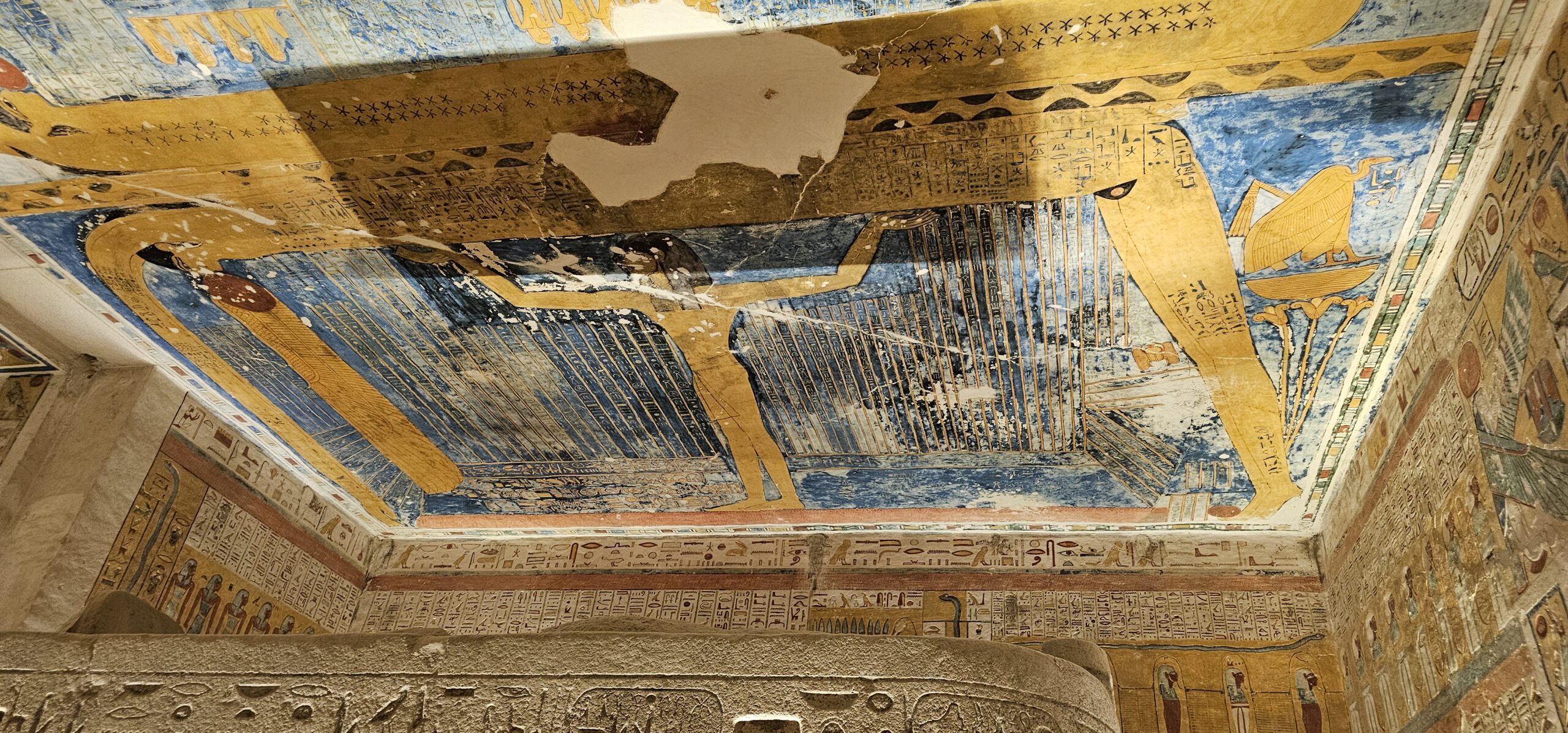
The burial chamber ceiling is the highlight. It depicts the goddess Nut arched across the sky, swallowing the sun each evening and giving birth to it each morning. The composition is enormous and the colors remain remarkably vivid. You could stand there for twenty minutes and still notice new details.
At $5, this is the easiest recommendation I can make. The cost is negligible and the payoff is substantial.
KV17 — Seti I
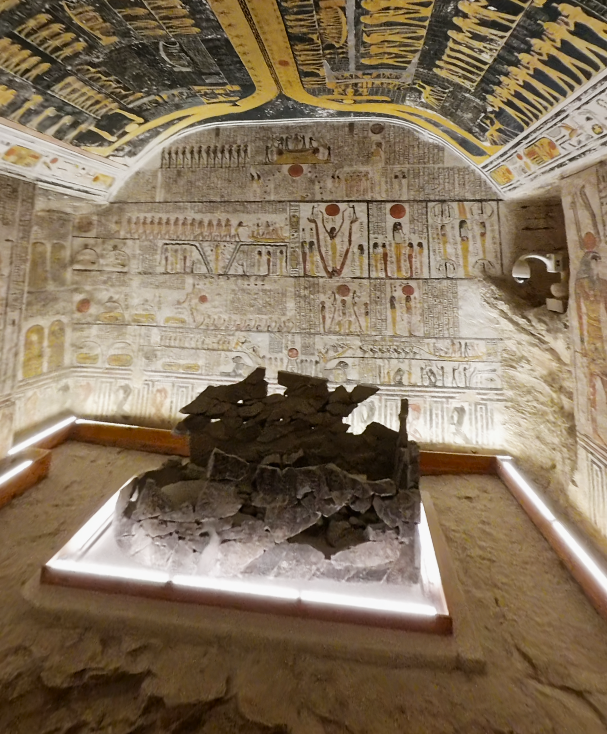
Cost: ~$40 USD | My Take: The one I wish I’d prioritized.
I didn’t visit Seti I’s tomb. Due to time constraints forced choices, and $40 felt steep when KV9 was delivering so much for $5. I regret that decision.
Everything I’ve learned since confirms this is the tomb in the Valley, the one Egyptologists point to when discussing the peak of pharaonic art. The reliefs aren’t just painted; they’re carved deeply into the stone, creating dimension and shadow. The preservation is extraordinary because the high ticket price keeps visitor numbers low.
If you care about ancient art and genuinely want to witness craftsmanship at its highest level, this tomb is must.
KV62 — Tutankhamun
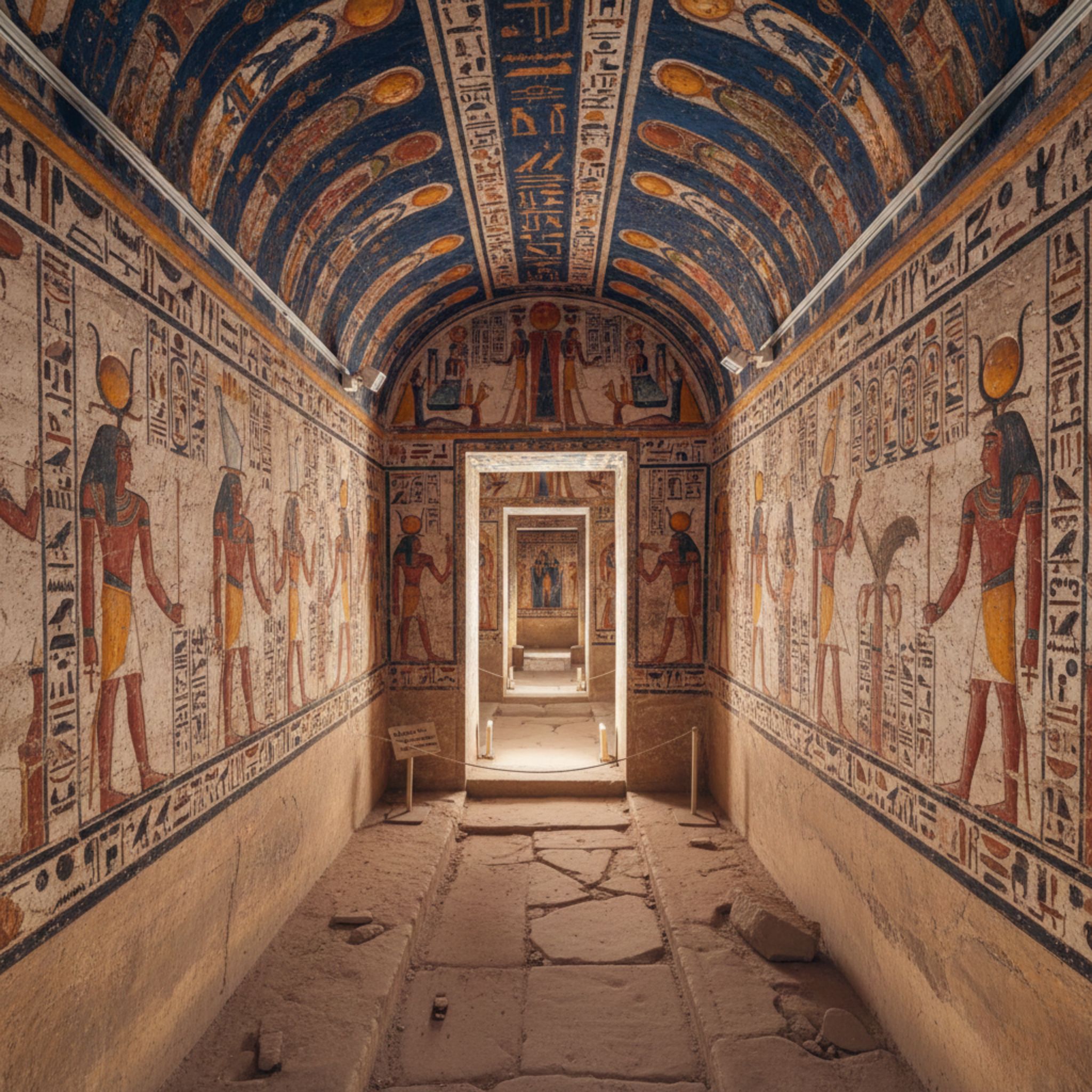
Cost: ~$14 USD | My Take: Depends on what you’re after.
Tutankhamun’s tomb is famous for what was found inside it, not for the tomb itself. When Howard Carter discovered it in 1922, the treasures were still there, the golden mask, the nested coffins, the thousands of artifacts now filling museum galleries.
The tomb itself is small and modestly decorated. Tut died young and unexpectedly; this was likely a rushed burial in a space meant for someone less important. If you’re expecting the grandeur of KV9 or KV17, you’ll be disappointed.
What makes it worth visiting: the mummy is still there. Unlike other pharaohs relocated to museums, Tutankhamun remains in his burial chamber. There’s something powerful about standing in the actual space where a 3,000-year-old king still rests.
WV23 — Tomb of Ay
Cost: ~$4 USD | My Take: Only if you have extra time.
Ay’s tomb sits in the Western Valley, a separate area that requires additional travel. The tomb itself is interesting but not exceptional, smaller than the main Valley’s highlights, with some unique hunting scenes but nothing that demands the detour.
The appeal is atmosphere. The Western Valley sees almost no visitors. If you want solitude and don’t mind the extra logistics, it’s a peaceful addition.
Getting There: Practical Logistics
From Luxor’s East Bank
Most hotels are on the East Bank, so you’ll cross the Nile first. Options:
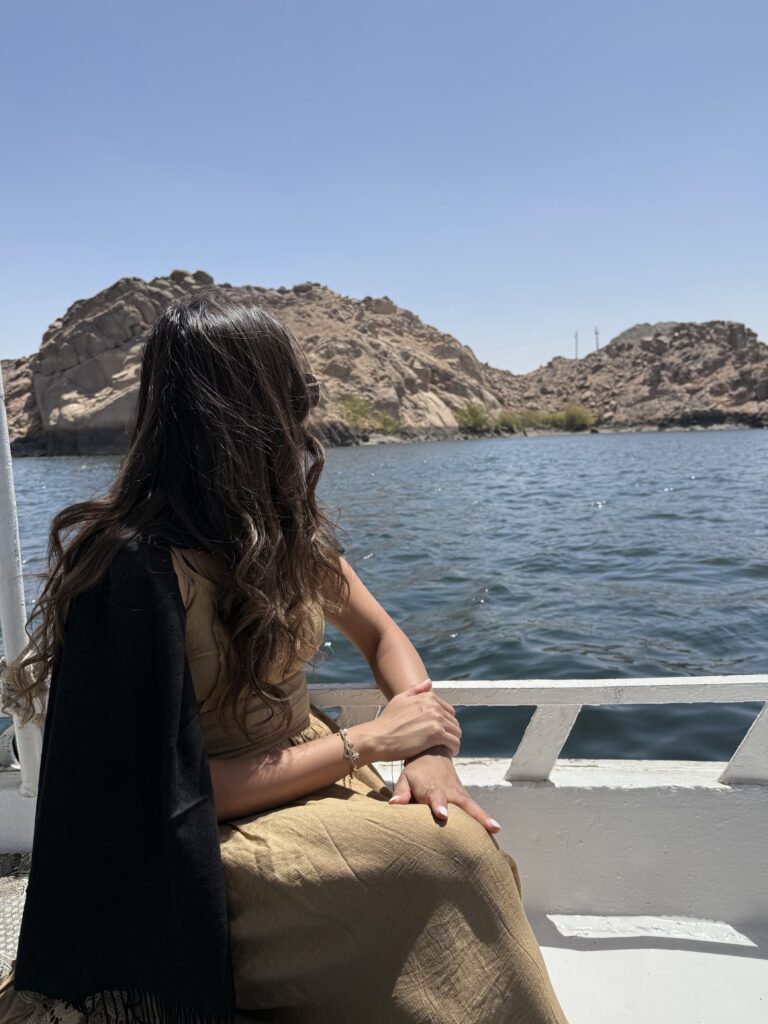
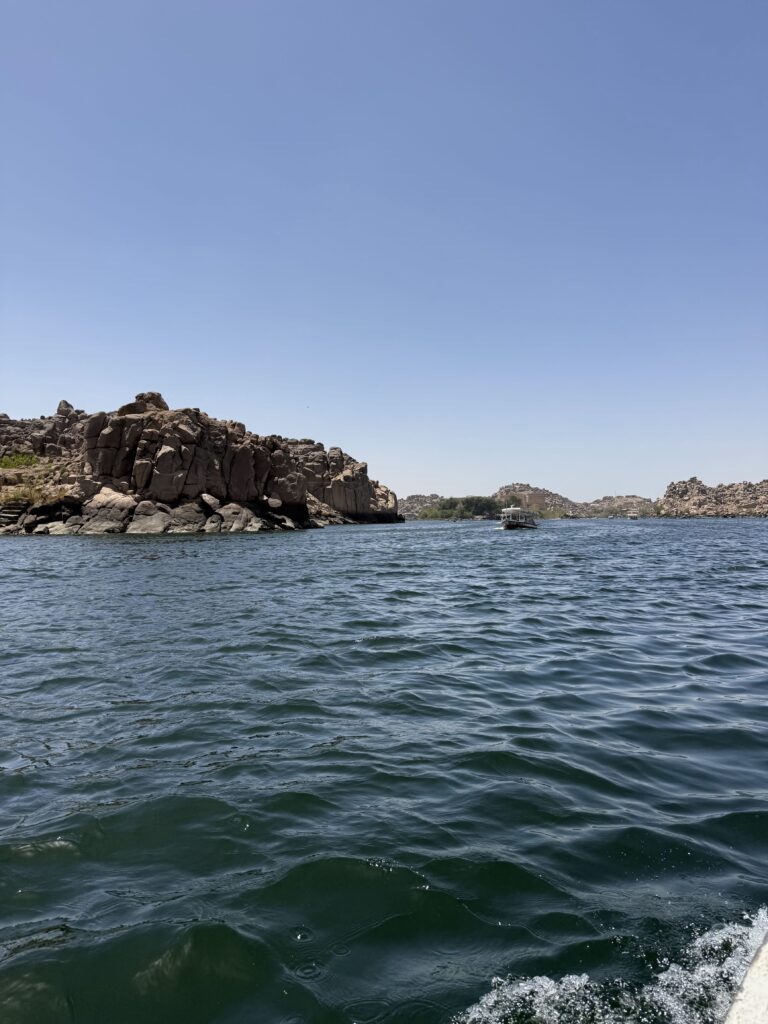
- Local Ferry: Cheapest choice — a few Egyptian pounds, runs every 10-15 minutes from the corniche near Luxor Temple. You’ll arrange ground transport once you land on the West Bank.
- Taxi via Luxor Bridge: If you hire a driver for the day, they’ll likely use the bridge south of town. More convenient but adds driving time.
Getting Around the West Bank
Hire a taxi for the half-day. This is the approach that works best for independent visitors. Negotiate a rate at the ferry landing or through your hotel, expect $25-40 USD depending on how many sites you want to visit. The driver waits while you explore.
Join an organized tour. Easier logistics but you sacrifice control over timing and tomb selection. Tours typically arrive mid-morning when crowds peak and rarely include premium tomb tickets.
At the Valley Itself
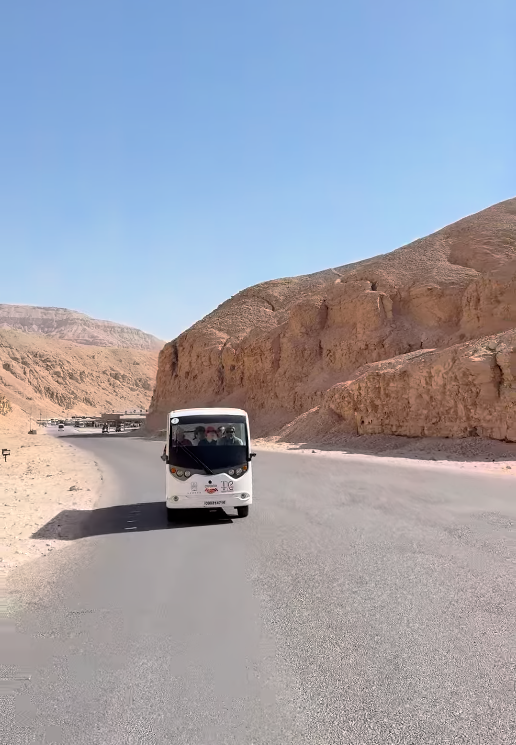
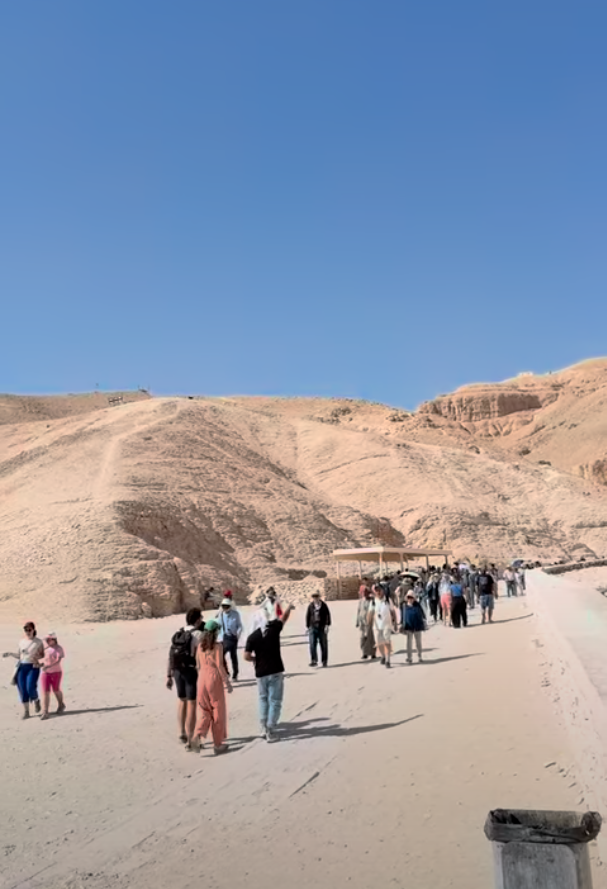
You’ll start at the Visitor Center, buy all your tickets here because you can’t purchase them inside the Valley. A small tram (~$0.50) takes you from the Visitor Center to the tomb area. The ride is short but worth it; save your energy for the tombs.
Timing Your Visit
This single factor affects your experience more than almost anything else.
The Crowd Pattern
Tour buses arrive between 9:00 and 11:00 AM. By mid-morning, the standard tombs are packed, groups queuing at entrances, voices echoing through corridors, that feeling of being herded rather than exploring.
Early morning is different. Arrive when the gates open (around 6:00-6:30 AM) and you’ll share tombs with just a handful of other visitors. The silence changes everything. You can actually stop in front of a painted scene without someone pushing past.
My Recommendation
Arrive at opening. Visit your three standard tombs first while crowds are minimal. By the time tour groups start arriving (around 9:00 AM), shift to the premium tombs where visitor numbers stay lower regardless of time.
Alternative: If mornings don’t work, arrive after 2:00 PM. Most tours have moved on by then. You’ll have less time before closing but better conditions.
Seasonal Considerations
October through April: Ideal. Comfortable temperatures, pleasant light, manageable conditions.
May through September: Challenging. Daytime temperatures exceed 40°C (104°F). The tombs stay cooler than outside, but walking between them is brutal. If you must visit in summer, finish by mid-morning.
Common First-Timer Mistakes
Learn from what trips people up:
- Only visiting standard tombs. The $5 for KV9 transforms your experience. Don’t skip it to save money you’d spend on a coffee.
- Arriving mid-morning. You’ll see the same tombs as early visitors but fight crowds the entire time. The artwork doesn’t change; the experience does.
- Not buying all tickets at the Visitor Center. You cannot purchase tickets inside the Valley. If you decide you want KV9 after seeing the standard tombs, you’ll need to tram back to the Visitor Center, buy the ticket, and tram back in.
- Underestimating the physical demands. You’re walking on uneven ground, climbing stairs inside tombs, and dealing with heat. Wear proper shoes, bring water, and pace yourself.
- Rushing. Three tombs in 90 minutes means you’re not actually seeing anything. Budget at least 2-3 hours, more if you’re adding premium tombs.
What to Bring
Essentials:
- Egyptian pounds for tram and tips (cards now accepted at ticket windows but cash still useful)
- Comfortable closed-toe shoes
- Water bottle (hydrate before entering — no drinks inside tombs)
- Sun protection (hat, sunscreen)
Good to Have:
- Light scarf or layers (tombs are cooler than outside)
- Snacks if spending several hours
- Phone/camera (flash prohibited, but photography generally allowed)
Nearby West Bank Sites
The Valley of the Kings pairs naturally with other West Bank attractions. If you’re hiring a taxi for the morning:
- Temple of Hatshepsut: 10 minutes away. Dramatic terraced architecture built into the cliffs. Best in early morning light. Allow 45-60 minutes.
- Colossi of Memnon: Two massive statues along the main road. Free, quick photo stop. 15 minutes.
- Deir el-Medina: This is ancient Egyptian workmen’s village which was home to the artisans who worked on the valley of the kings tombs. Must see if you have time, colors are so vivid!
- Medinet Habu: Mortuary temple of Ramesses III with exceptional preservation and far fewer crowds than Karnak. 45-60 minutes.
- Valley of the Queens: Burial ground for royal wives. The tomb of Nefertari (separate ticket) features stunning blue ceilings. 1-2 hours if visiting Nefertari.
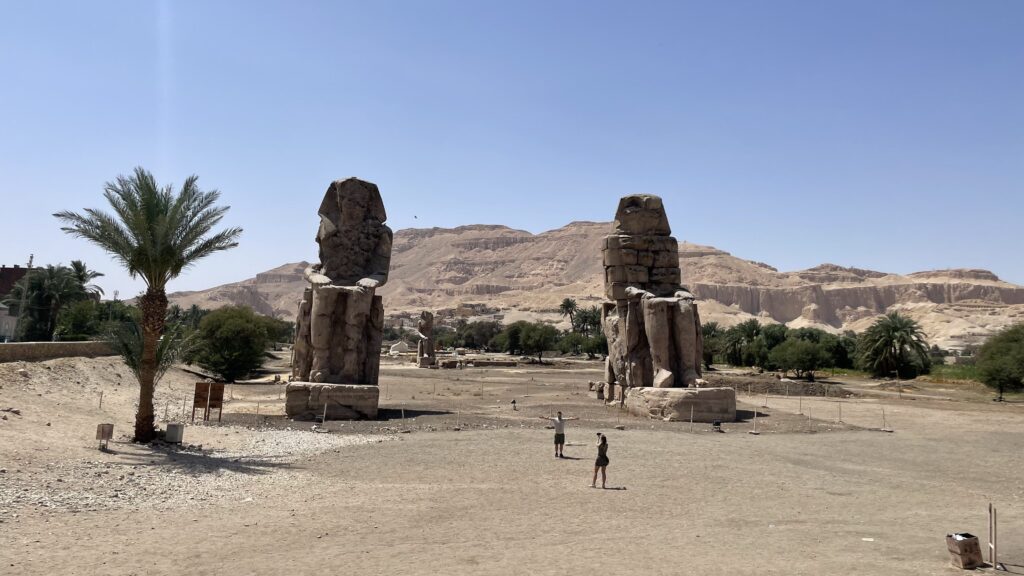
If the Valley of the Kings is part of a larger itinerary, these guides will help you plan efficiently:
- 👉 10 Days in Egypt: A Balanced First-Timer Itinerary
- 👉 Best Temples to Visit in Egypt (What’s Worth It vs Skippable)
Together, these guides help you prioritize experiences without burning out.
Final Thoughts
The Valley of the Kings has been receiving visitors for two centuries now. Most of them have seen only a fraction of what’s here due to rushed through by tour schedules, confused by the ticket system, arriving when crowds peak.
You don’t have to visit that way. Show up early. Pay the extra $5 for KV9. Give yourself permission to stand in front of a 3,000-year-old ceiling until you’ve actually absorbed what you’re looking at. The pharaohs spent years preparing these spaces for eternity. A few hours of your attention isn’t too much to ask.
Have questions or recent updates to share? Drop a comment below, I update this guide regularly based on reader feedback.